PESCO-UP partners meet in Brussels for the fifth project consortium meeting
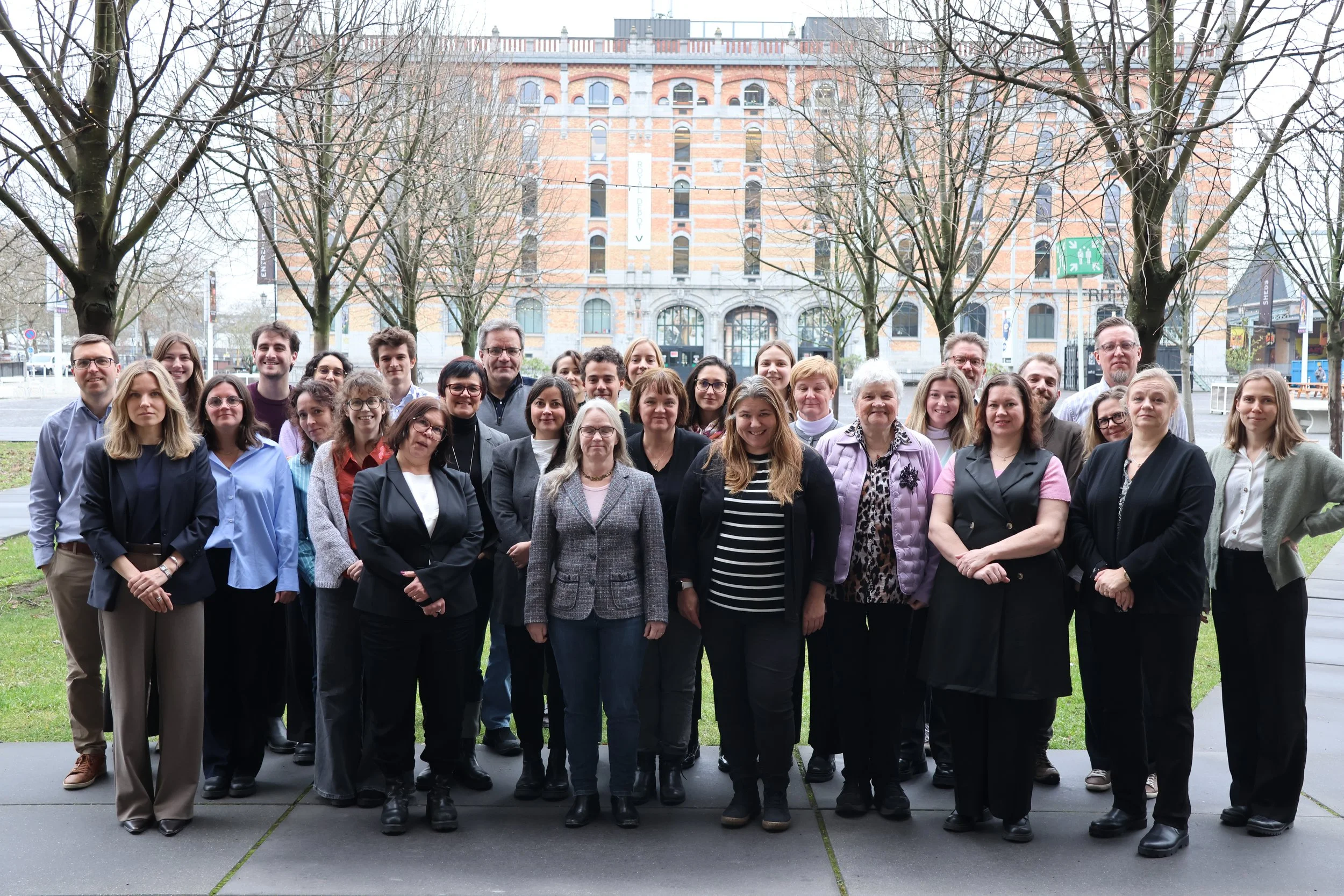
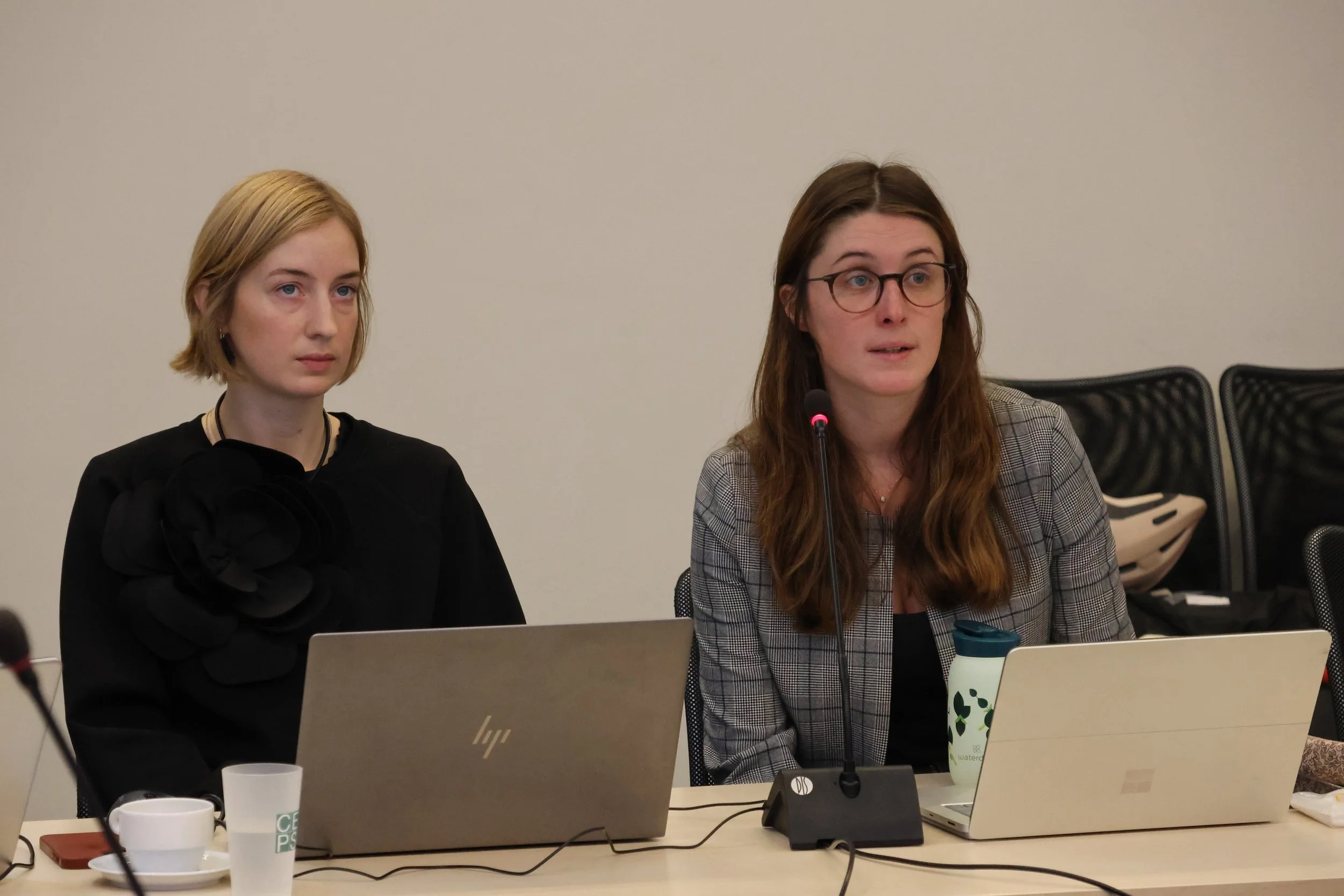
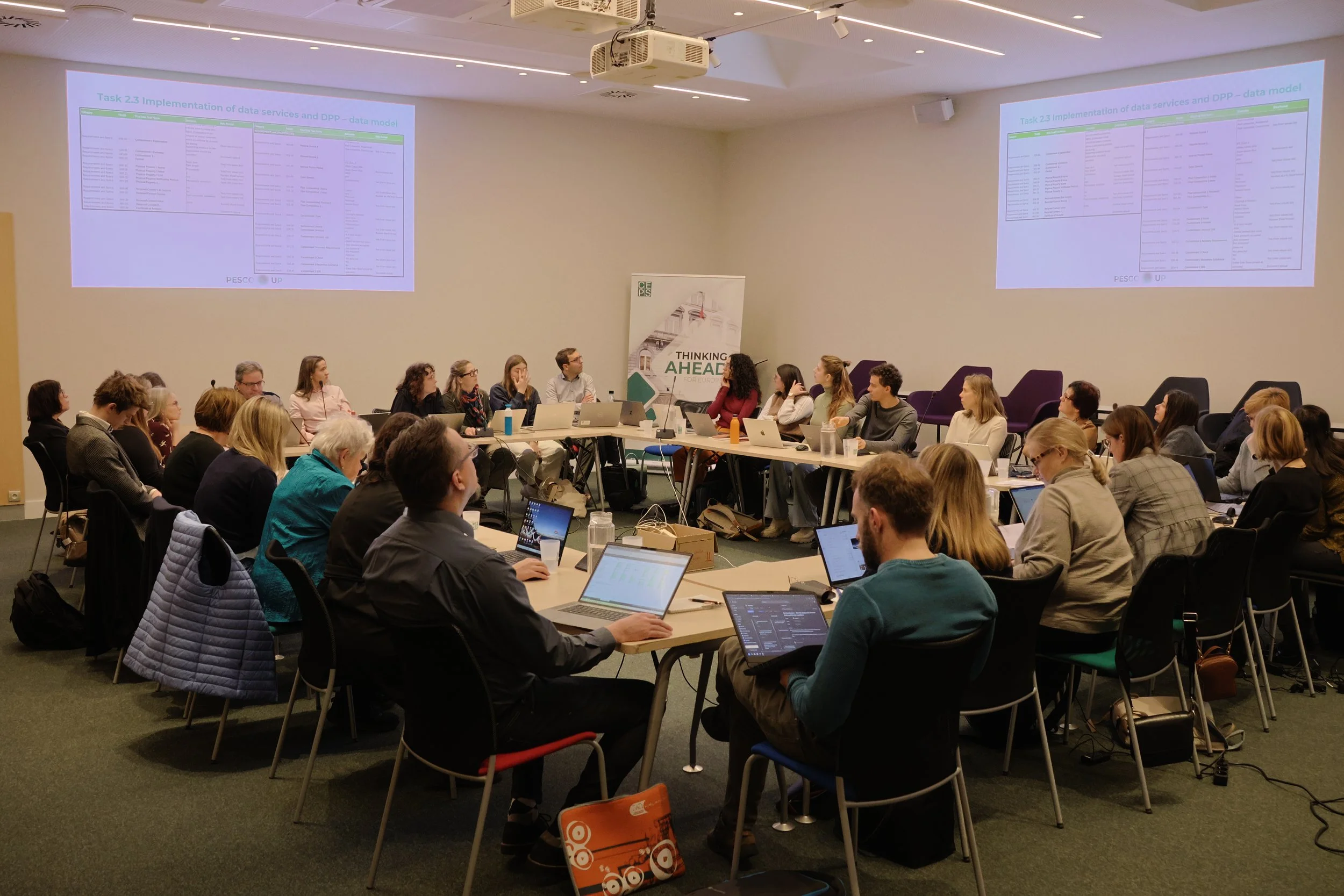
On 13-15 January 2026, the PESCO-UP consortium met in Brussels, Belgium, for its fifth project consortium meeting, combined with a policy event on Digital Product Passports and Traceability, organised by CEPS.
Digital Product Passports: the Golden Thread Through Textile Recycling?
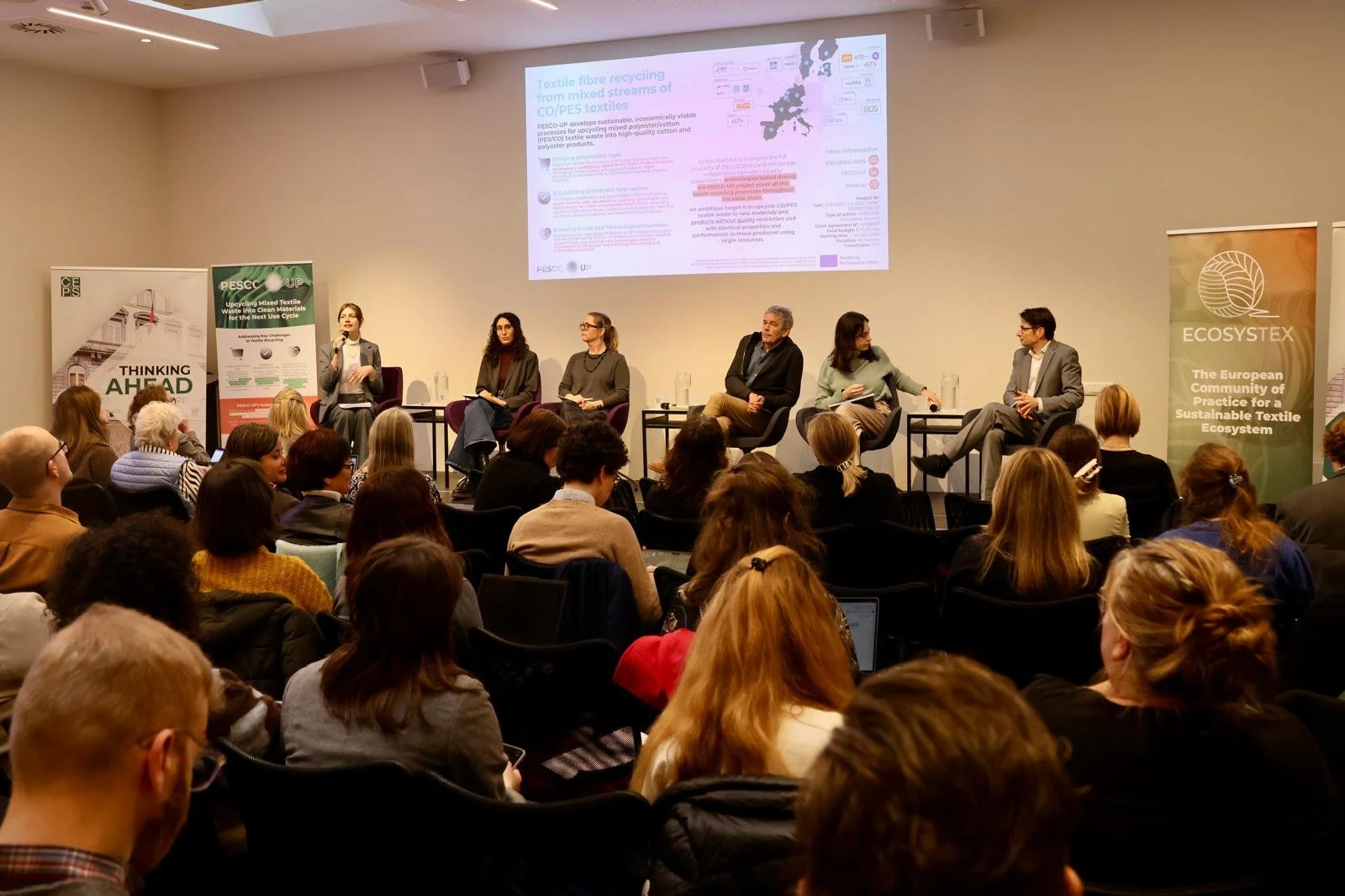
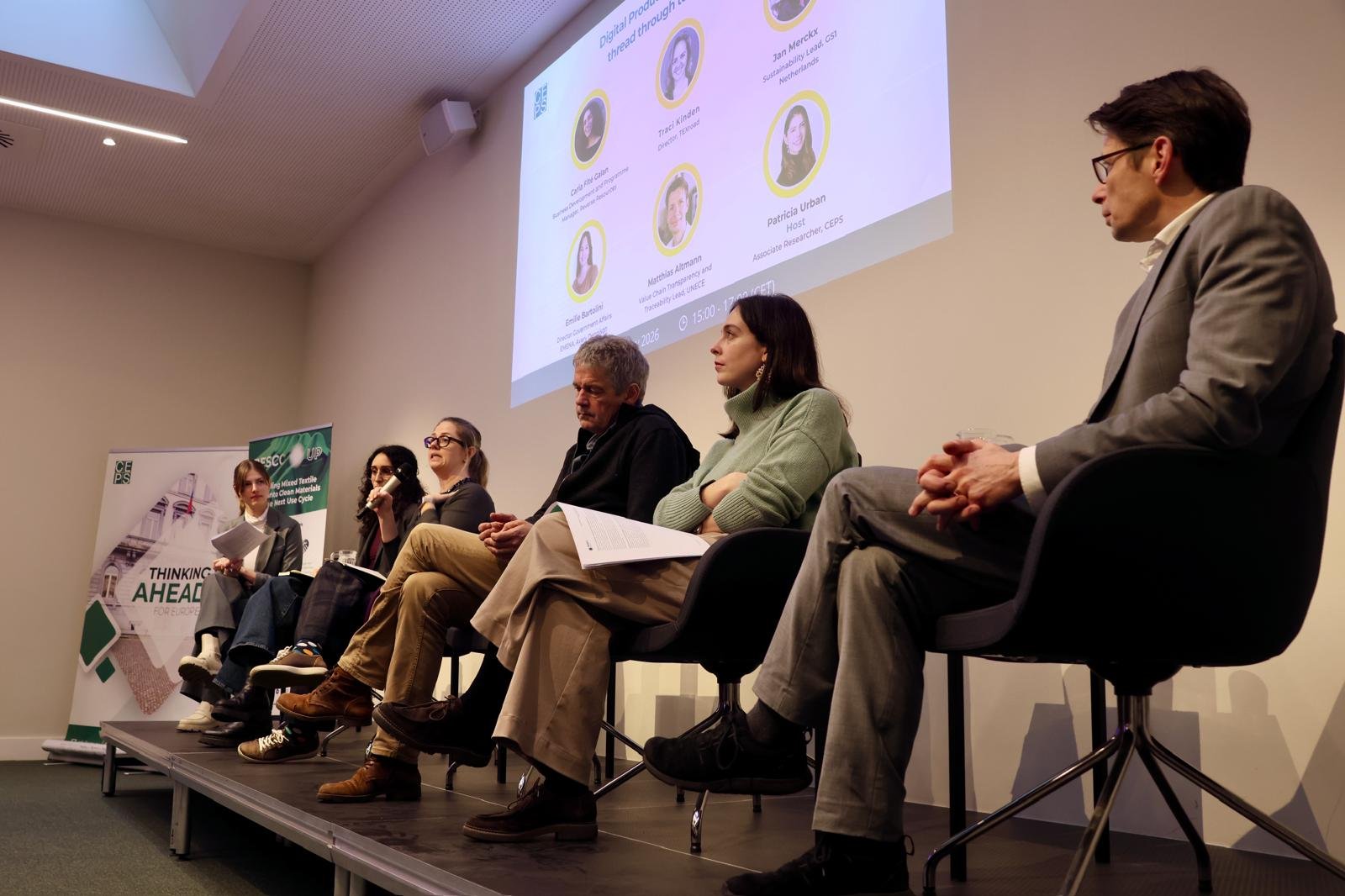
On 13 January 2026, CEPS (Centre for European Policy Studies) hosted a an in-person event on Digital Product Passport (DPP) and Traceability exploring how DPPs can bridge the information gap between textile production and end-of-life.
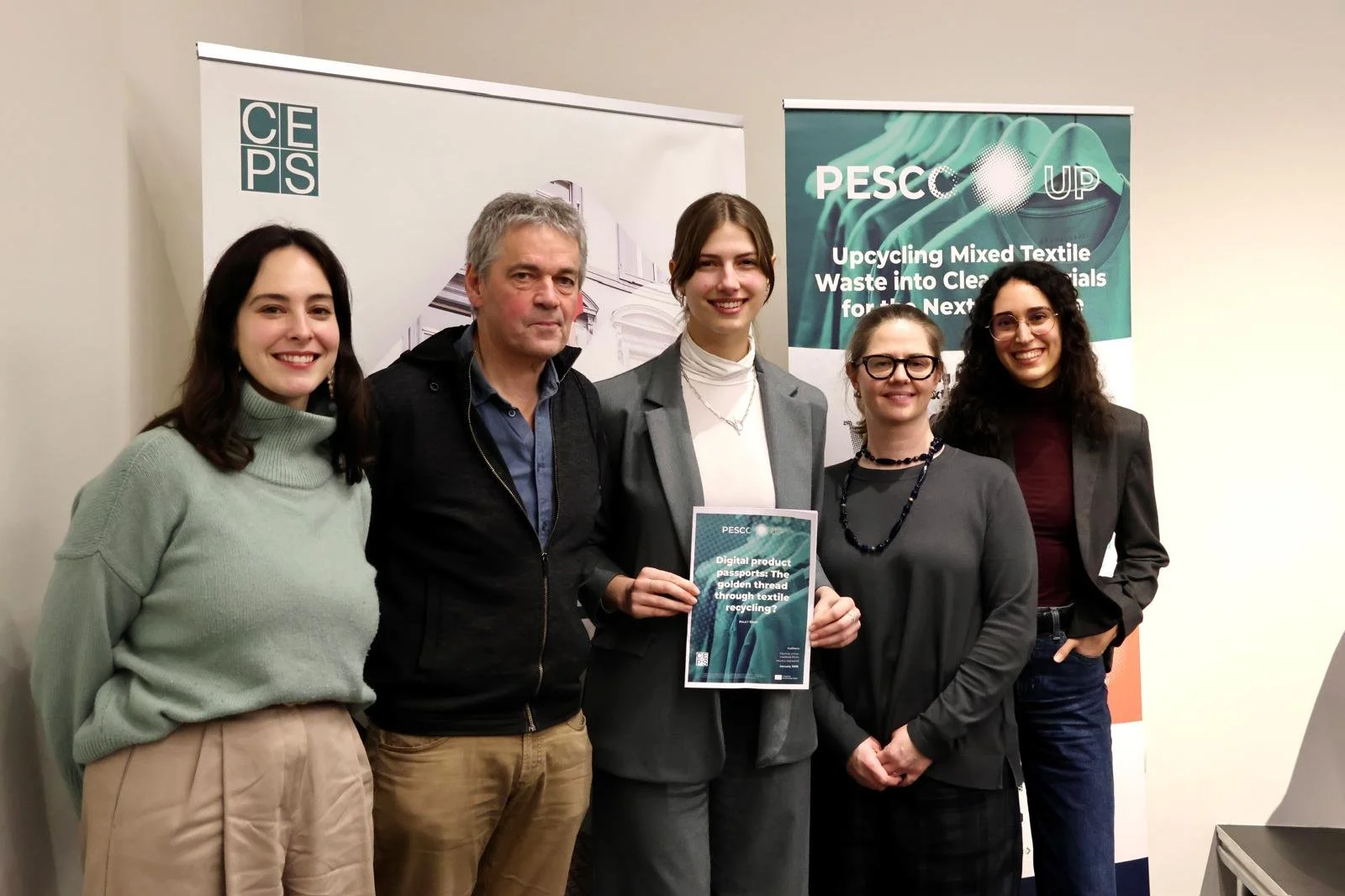
The event was moderated by Patricia Urban from CEPS, the event also featured the presentation of the new PESCO-UP Policy Brief, contributing timely evidence to the ongoing debate on traceability and transparency in the textiles sector. The panel discussion with the speakers Carla Fité Galan from Reverse Resources, Traci Kinden from TEXroad, Jan Merckx from GS1 Netherland, Emilie Bartolini from Avery Dennison, and Dr Matthias Altmann from UNECE, addressed key issues such as the move toward mandatory transparency, the need for verified data over self-declarations, technical interoperability across the value chain, and the role of digital data carriers like QR codes and RFID in supporting industrial sorting and recycling. The session concluded with an interactive Q&A, followed by a strong exchange of views with participants.
PESCO-UP Consortium Meeting
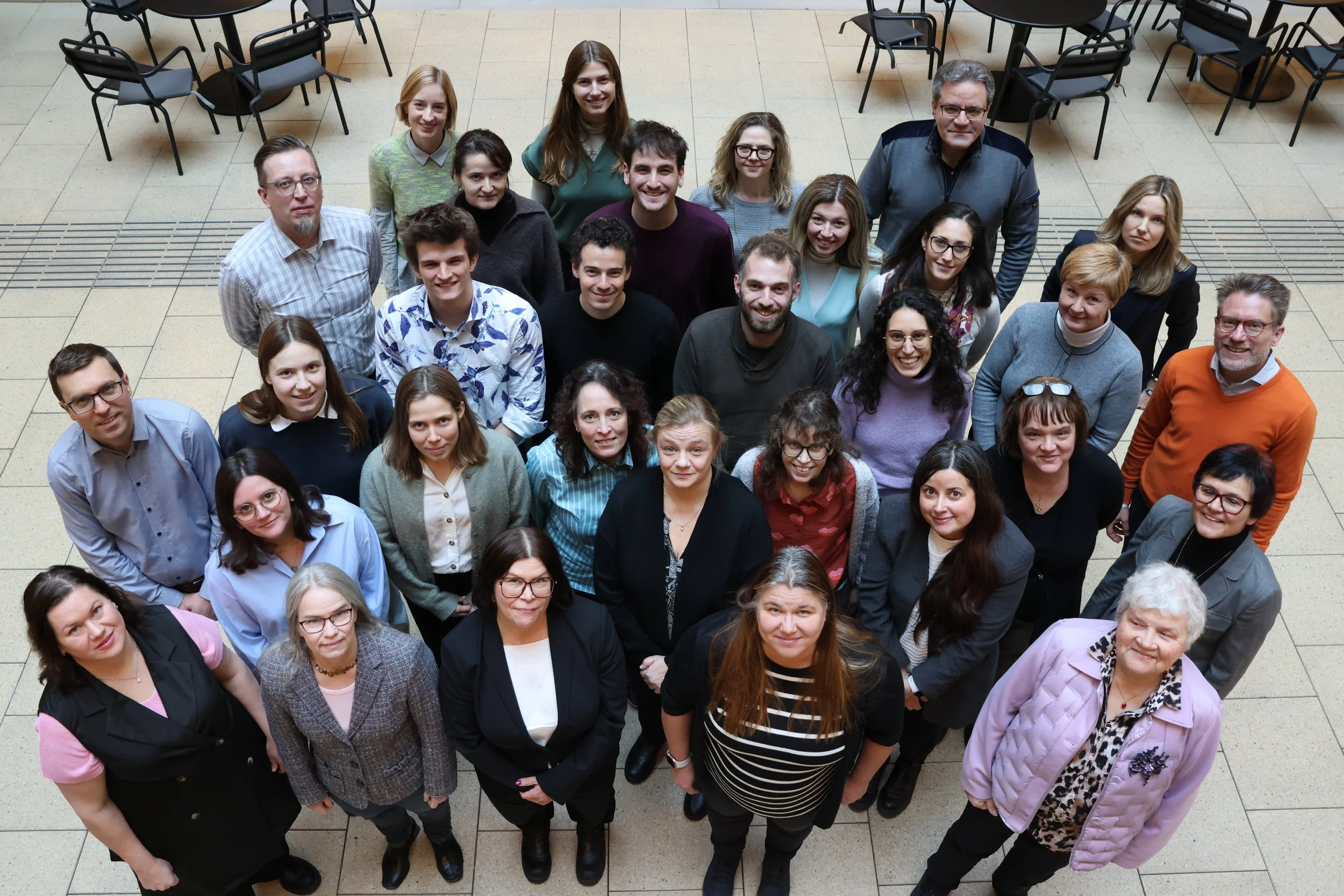
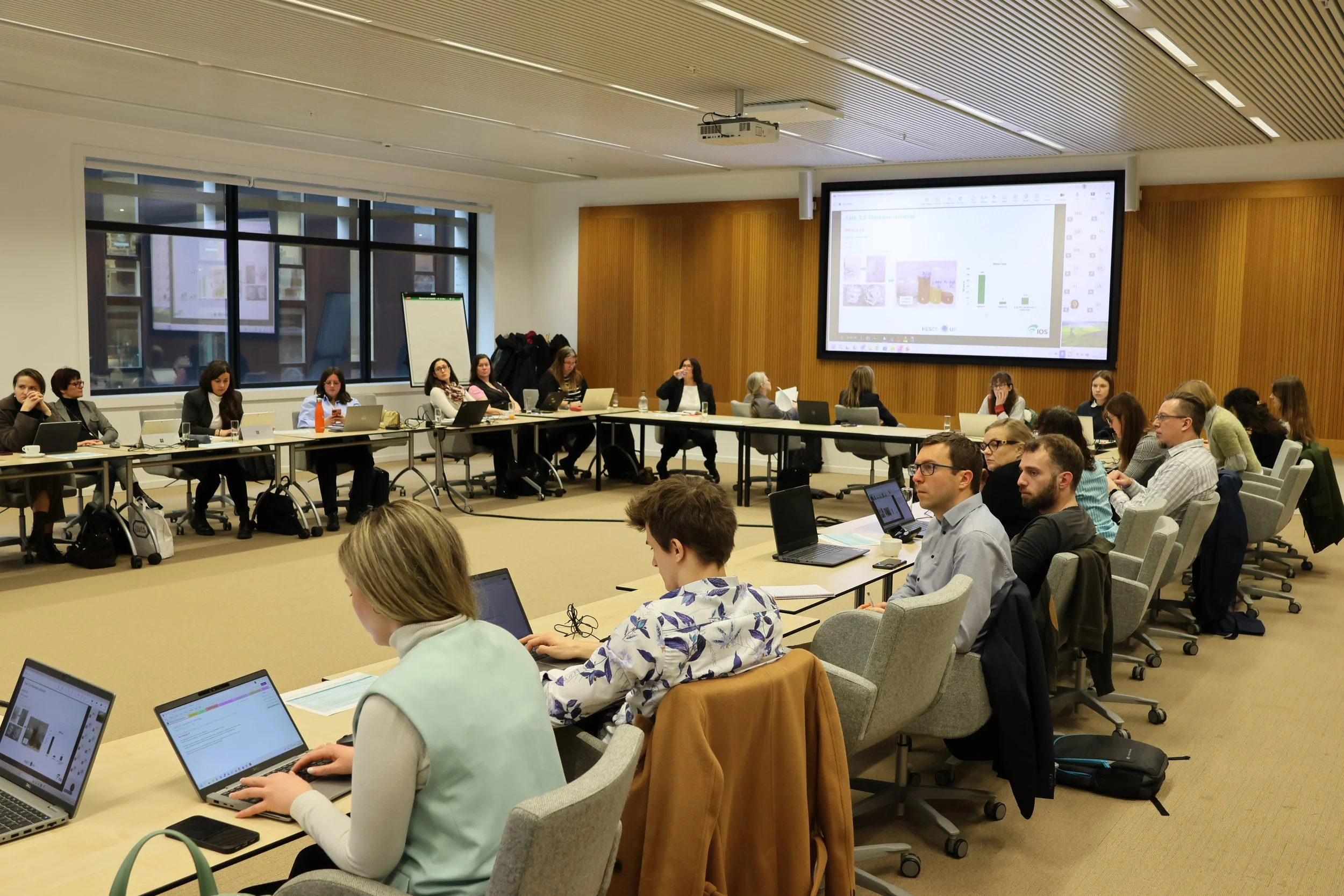
On 14 January, we opened the consortium meeting with a presentation by our partner VITO, followed by an overview of several work packages. Partners shared updates on their progress, openly discussed current challenges, and aligned on the next steps as the project moves forward.
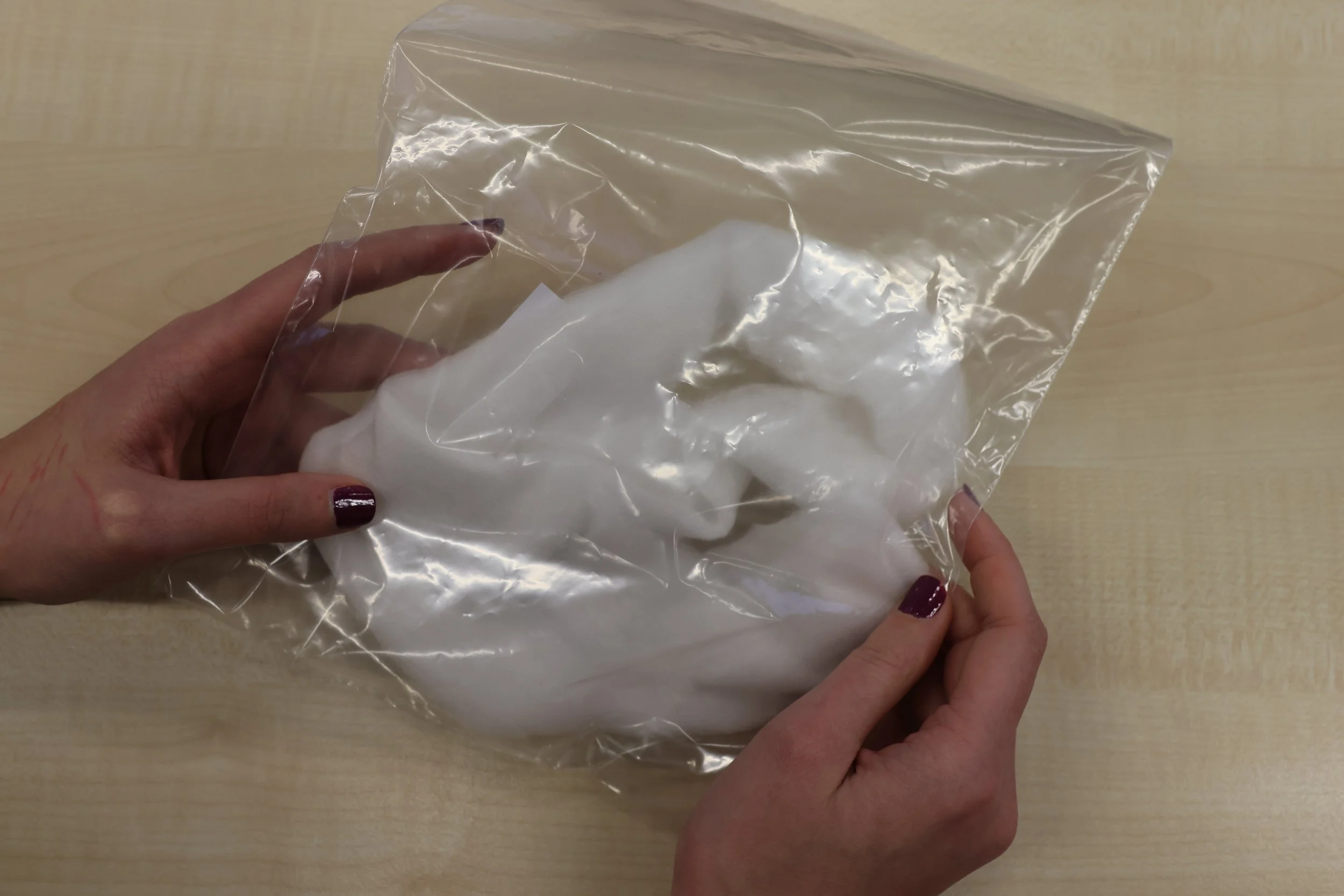
In the afternoon, the consortium engaged in interactive workshops focusing on technology assessment and value chain modelling, the exploitation of project results and IPR management, as well as pilot trials within selected work packages. These sessions provided valuable opportunities for in-depth discussion, knowledge exchange, and coordination across the consortium.
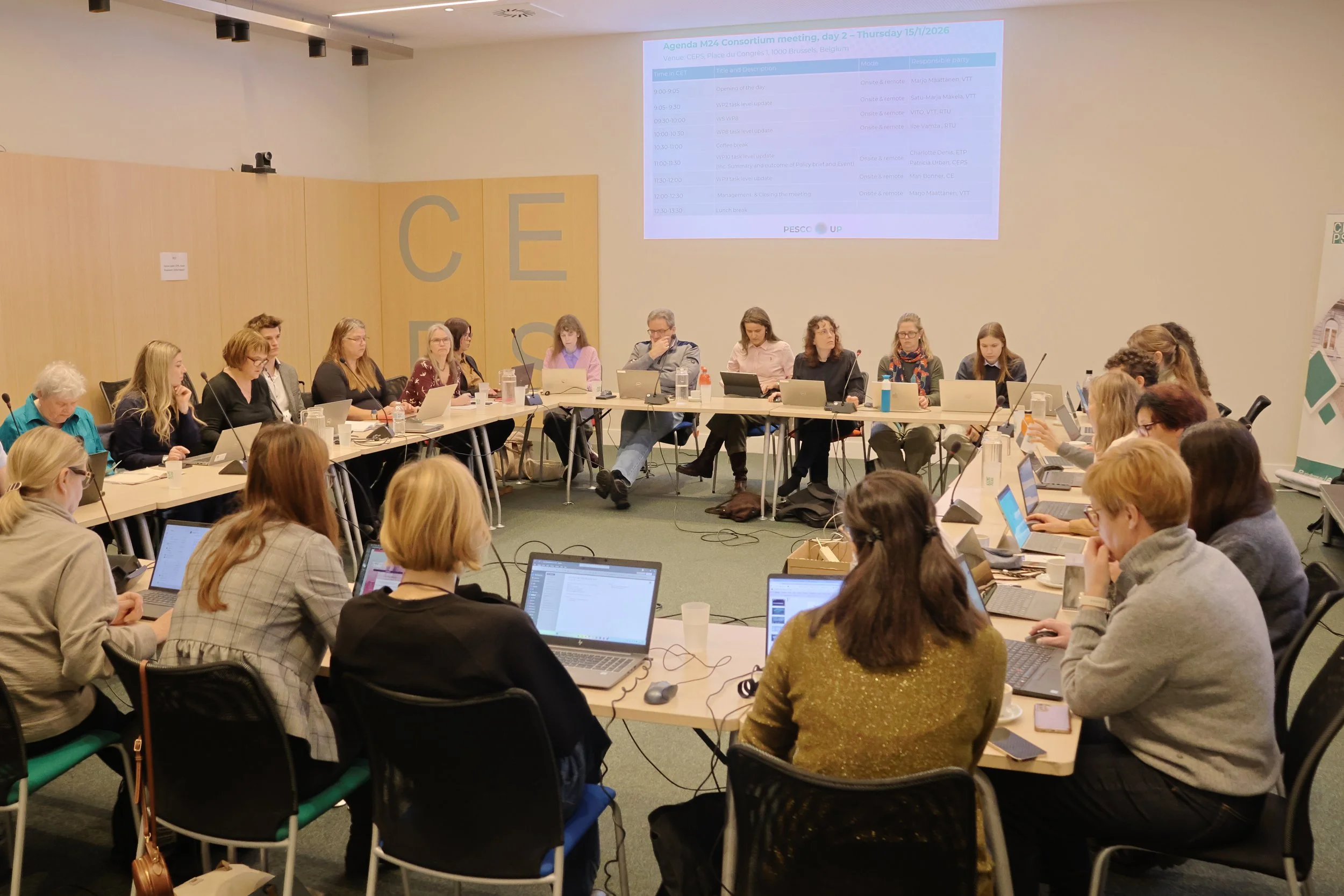
In the second day, partners continued discussions on the remaining work packages, sharing progress updates, addressing open issues, and aligning on upcoming activities and deliverables. During these exchanges, we focused on preliminary production costs for pre-treatment and concepts to be evaluated in the preliminary TEA. This collaborative dialogue helped strengthen the consortium’s shared understanding of the project’s direction and ensured coordinated progress as PESCO-UP moves into its next phase
During this session, Textile ETP’s Sustainable Programme Officer, Tilla Kross, provided an update on the ECOSYSTEX community. The Communications Team, Charlotte Denis and Matteo Mainiero, presented the results of PESCO-UP’s latest campaigns and recent communication achievements, while outlining plans to further enhance the project’s visibility.
For more information and updates on the PESCO-UP project, please visit www.pesco-up.eu