Textile ETP President discusses bioeconomy in Brussels
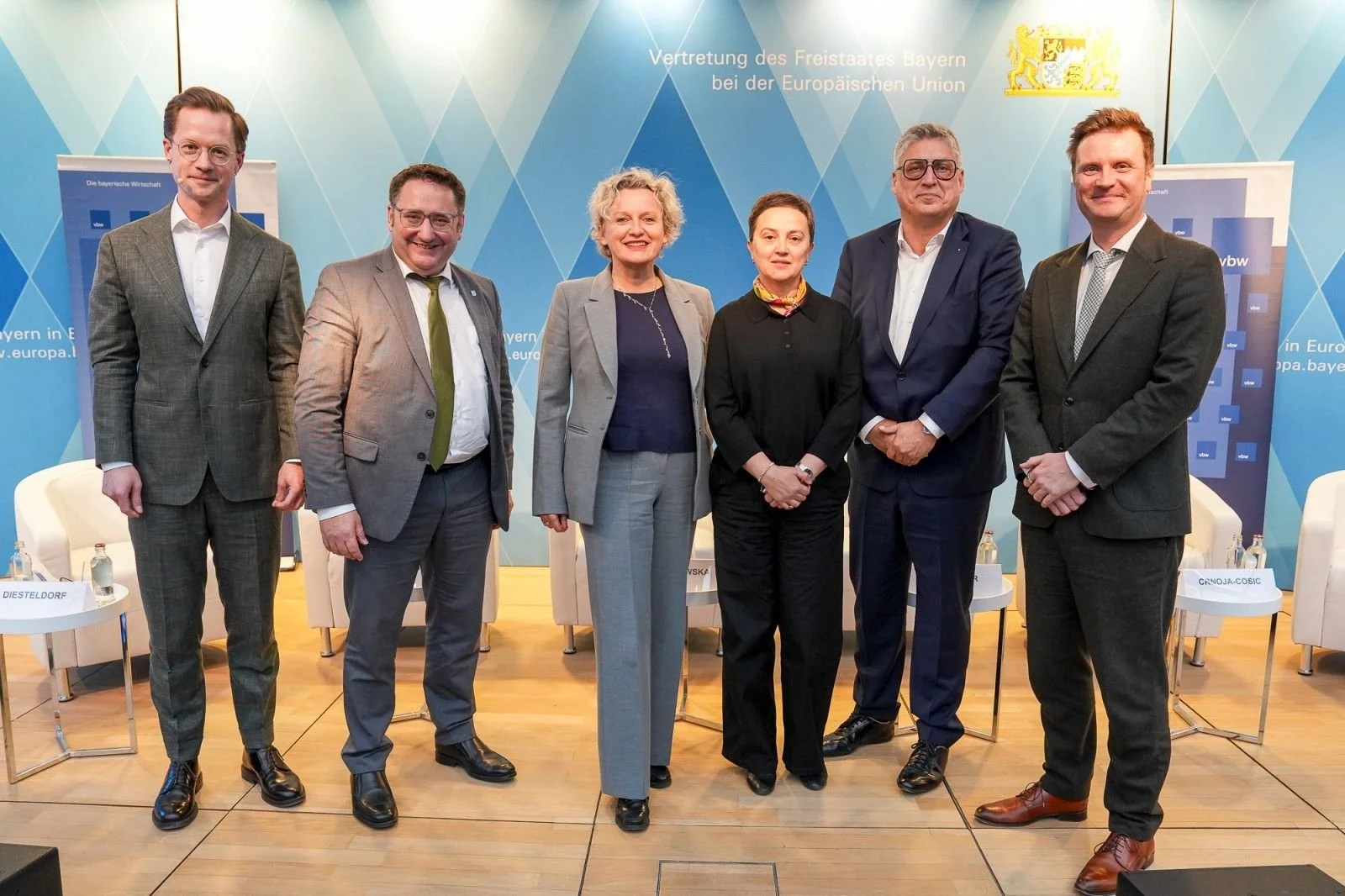
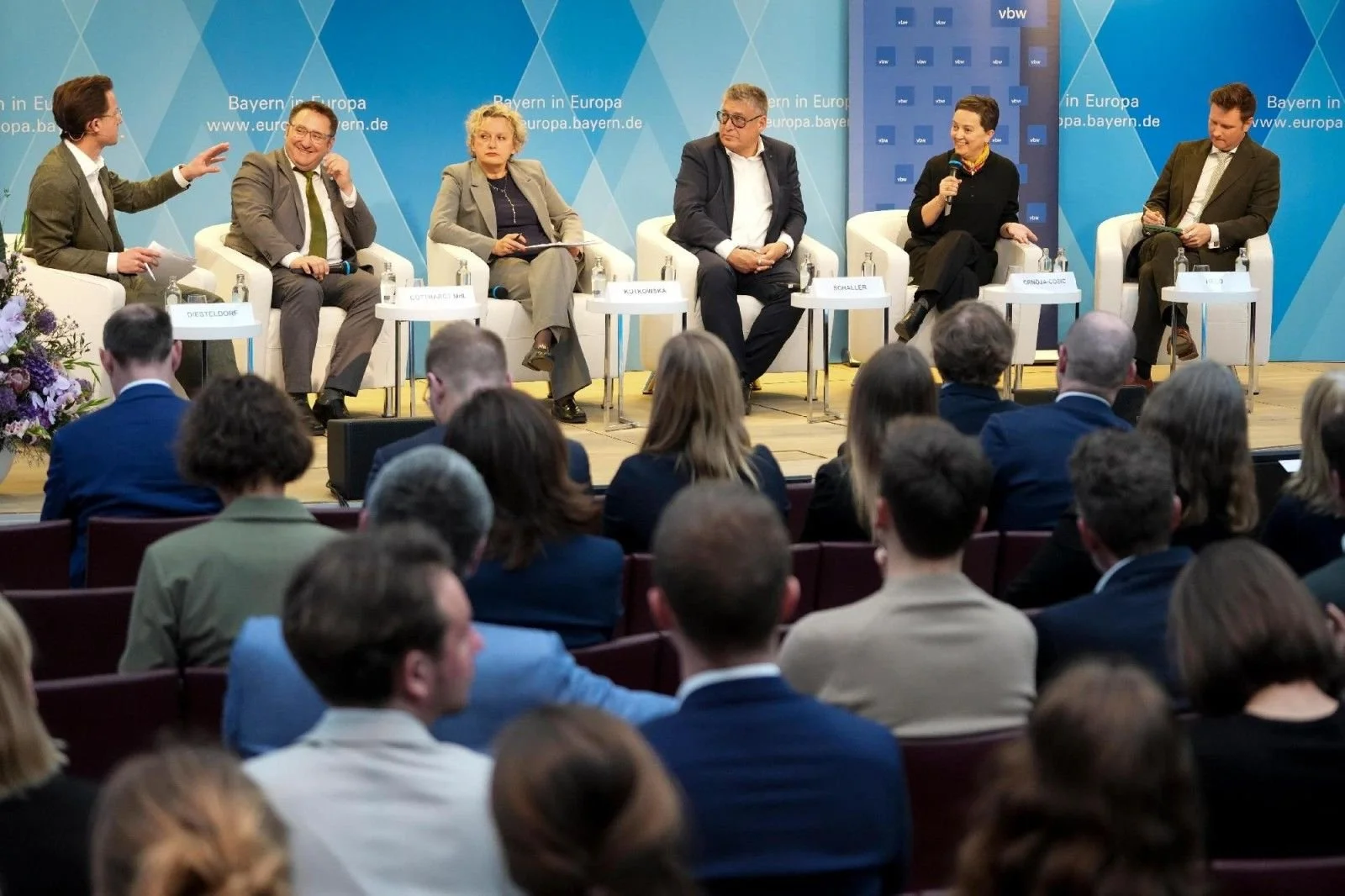
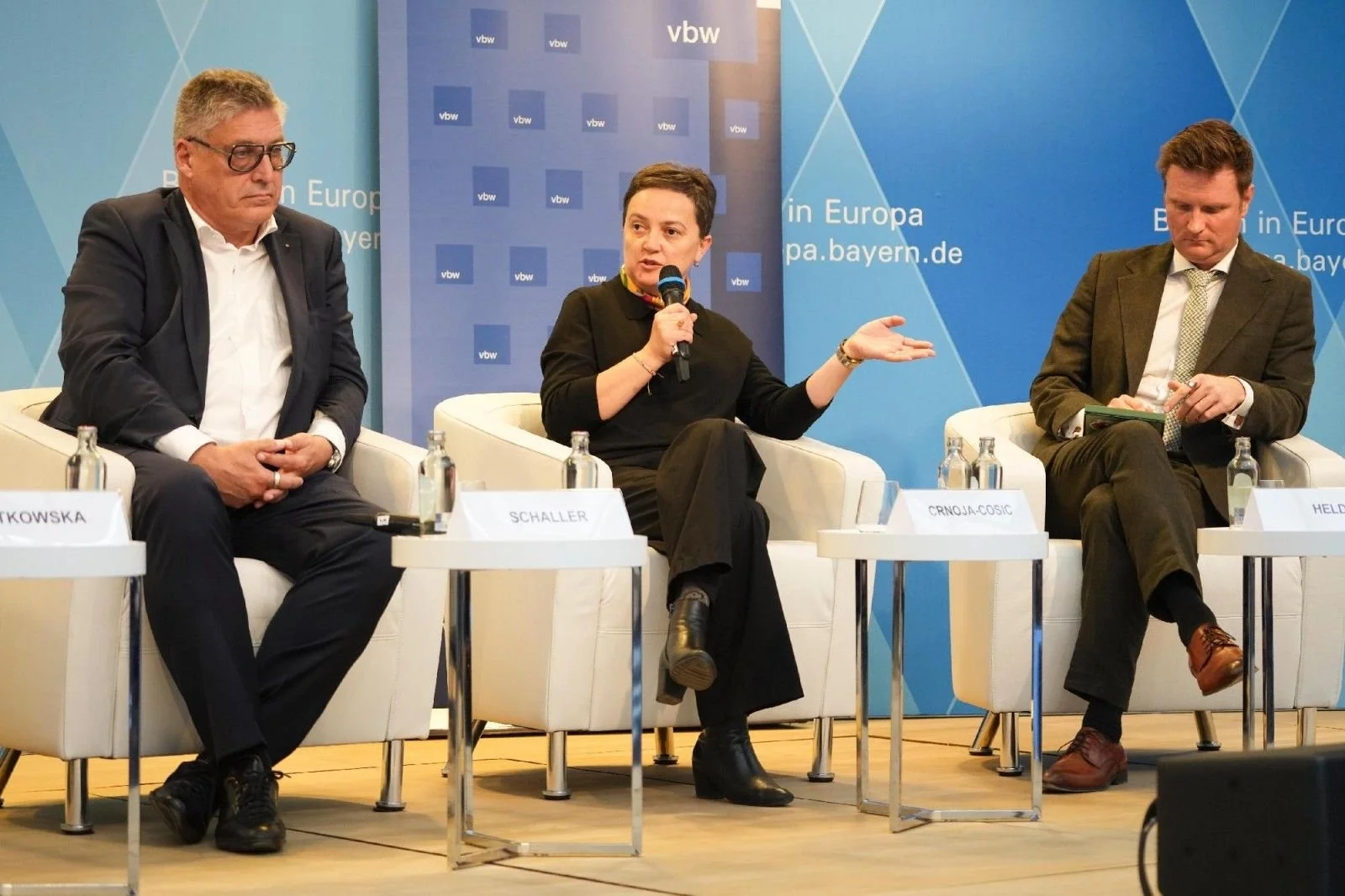
On 12 May 2026, Textile ETP President Marina Crnoja-Cosic took part as in panel discussion on the transition to a circular bioeconomy, organised in Brussels by the Bavarian Industry Association (vbw – Vereinigung der Bayerischen Wirtschaft) in cooperation with Bavaria's representation to the European Union.
The dialogue centred on how Europe can leverage renewable, bio-based resources and circular production models to strengthen supply chains, reduce dependency on imported raw materials, and maintain global competitiveness in the face of climate change. Speakers and panellists also included Bertram Brossardt (Executive Director, vbw), Tobias Gotthardt MdL (State Secretary, Bavarian Ministry of Economic Affairs), Agata Kotkowska (Deputy Head of Unit for Circular Economy & Bioeconomy, European Commission DG ENV), Maximilian Heindl (Board Member of Die Papierindustrie e. V. and CEO of Progroup AG), Jürgen Schaller (Chairman VBP and Managing Partner of Carl Macher GmbH & Co. KG), and Matthias Held (Director Public Affairs Germany, UPM). The dialogue was moderated by Jan Diesteldorf, Brussels Correspondent for Süddeutsche Zeitung.
As President of Textile ETP, Marina Crnoja-Cosic brought the perspective of Europe's textile and clothing sector to the panel, highlighting the development of bio-based fibres, circular materials, and next-generation sustainable manufacturing.
Panelists further discussed the strategic importance of establishing lead markets for circular, bio-based products across multiple sectors, including paper, packaging, textiles, and biofuels. Participants broadly agreed that while the EU's Bioeconomy Strategy and forthcoming legislation on biotechnology and the circular economy provide a strong foundation, concrete implementation steps are urgently needed, ideally developed in close collaboration with industry. A recurring theme was the importance of safeguarding access to sustainably managed domestic raw materials, particularly forest biomass, without allowing overly prescriptive regulations to hinder innovation or limit supply. Participants called for reduced bureaucracy, clearer investment incentives, and accelerated support for research and development as prerequisites for a competitive European bioeconomy