ECOSYSTEX Conference 2026: Circular Textiles Beyond Recycling
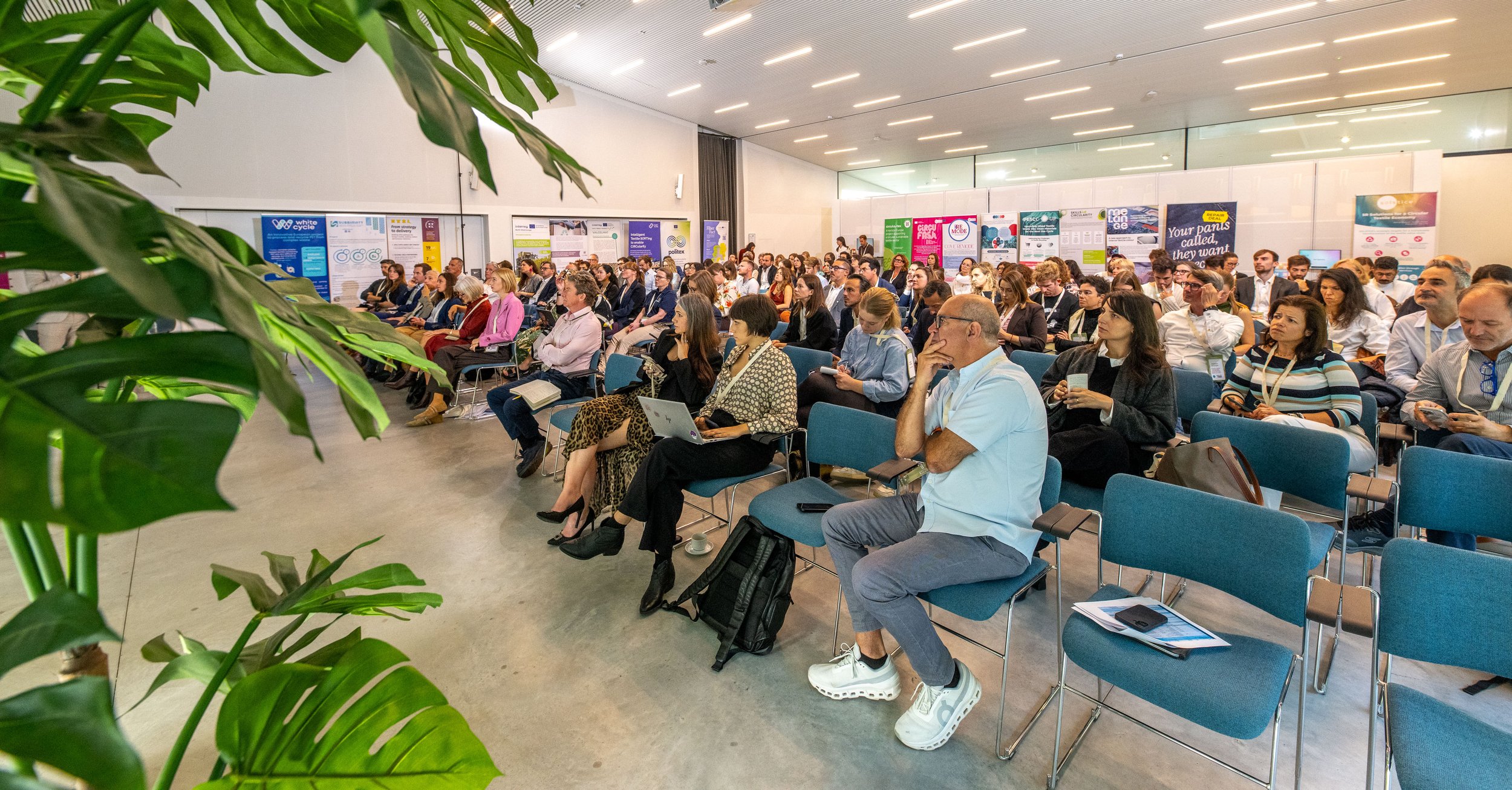
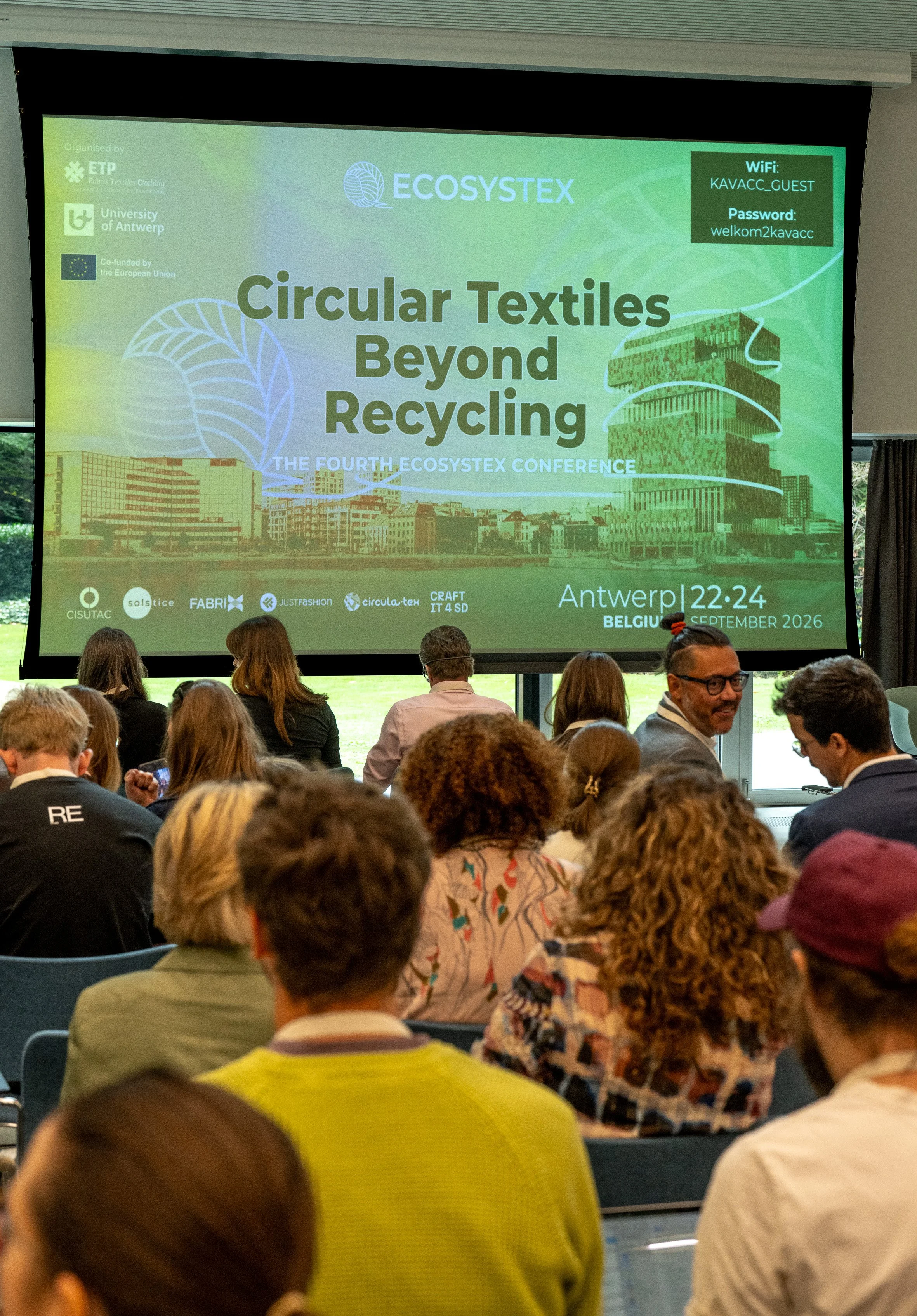
The fourth ECOSYSTEX Conference brought the European textile research community to Antwerp from 22 to 24 September, hosted in collaboration with the University of Antwerp. Over three days, more than 130 professionals from industry, research, policy and design met around a theme that deliberately pushed past the sector's most familiar answer. Recycling has become the shorthand for circularity in textiles, and the conference set out to ask what lies on the other side of it.
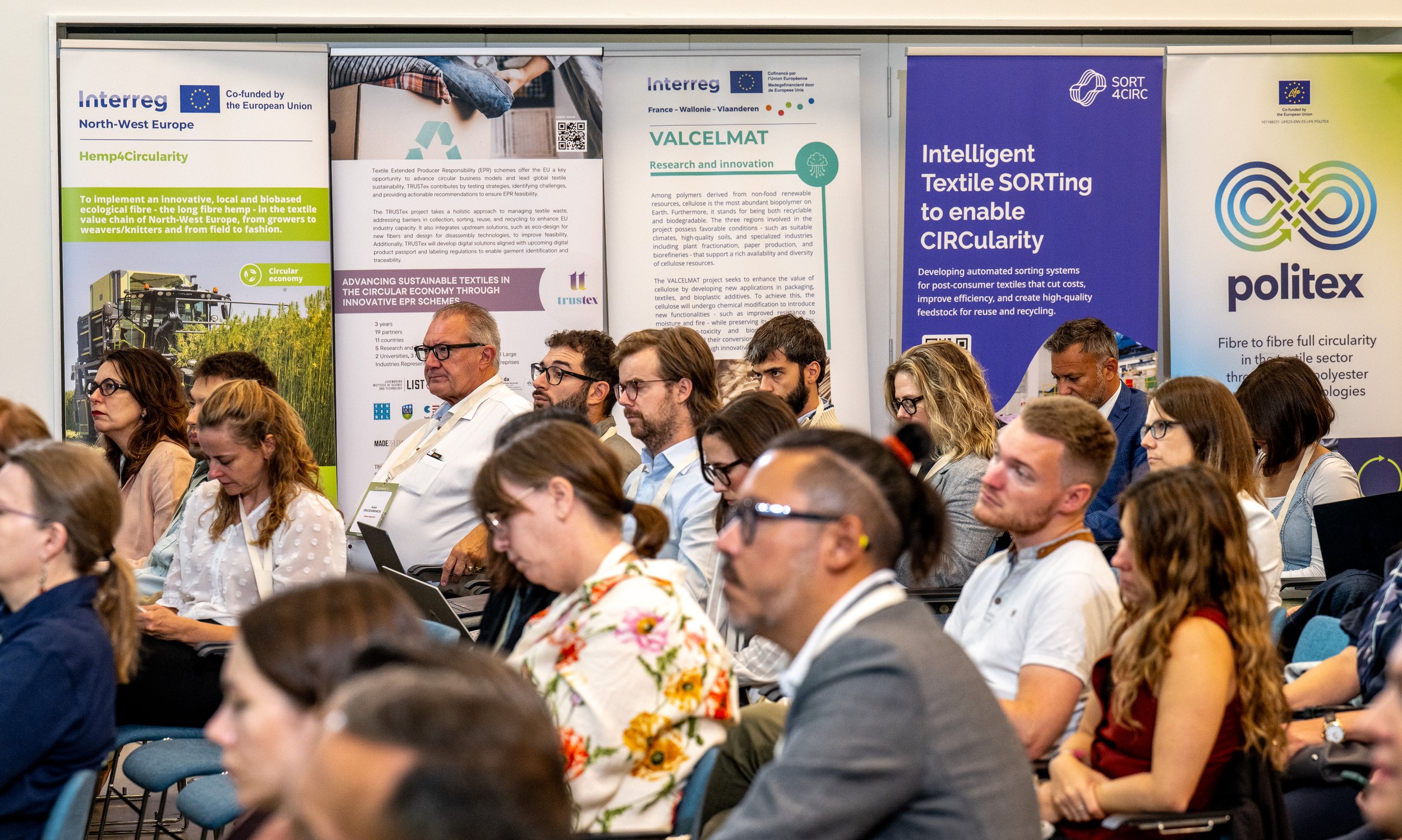
Six EU-funded projects, CISUTAC, Circula-TEX, SOLSTICE, FABRIX, JUST FASHION and CRAFT-IT4SD, shaped the programme together, filling it with showcase of textile prototypes and interactive workshops.
Policy, funding and the new Bioeconomy Innovation Strategy
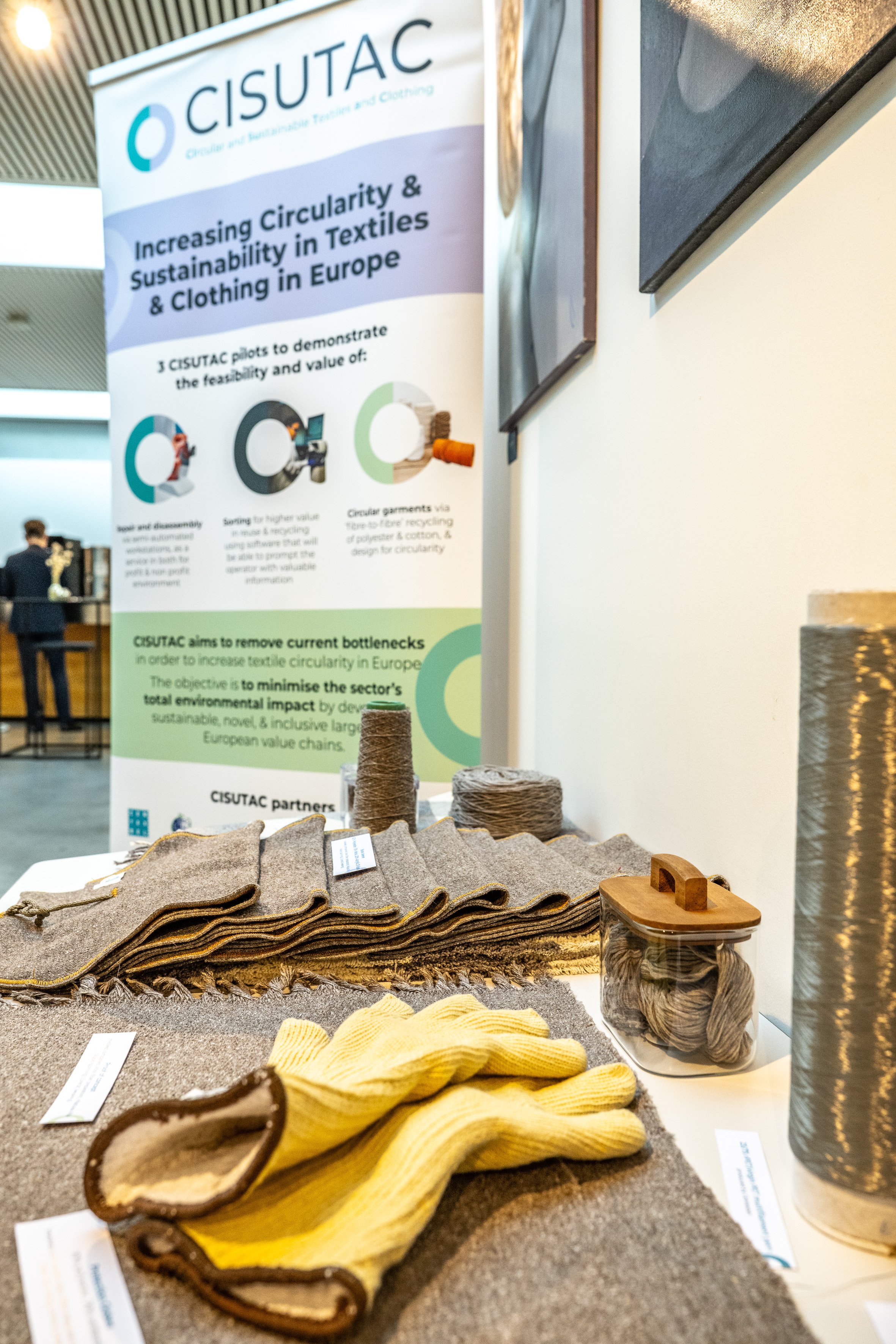
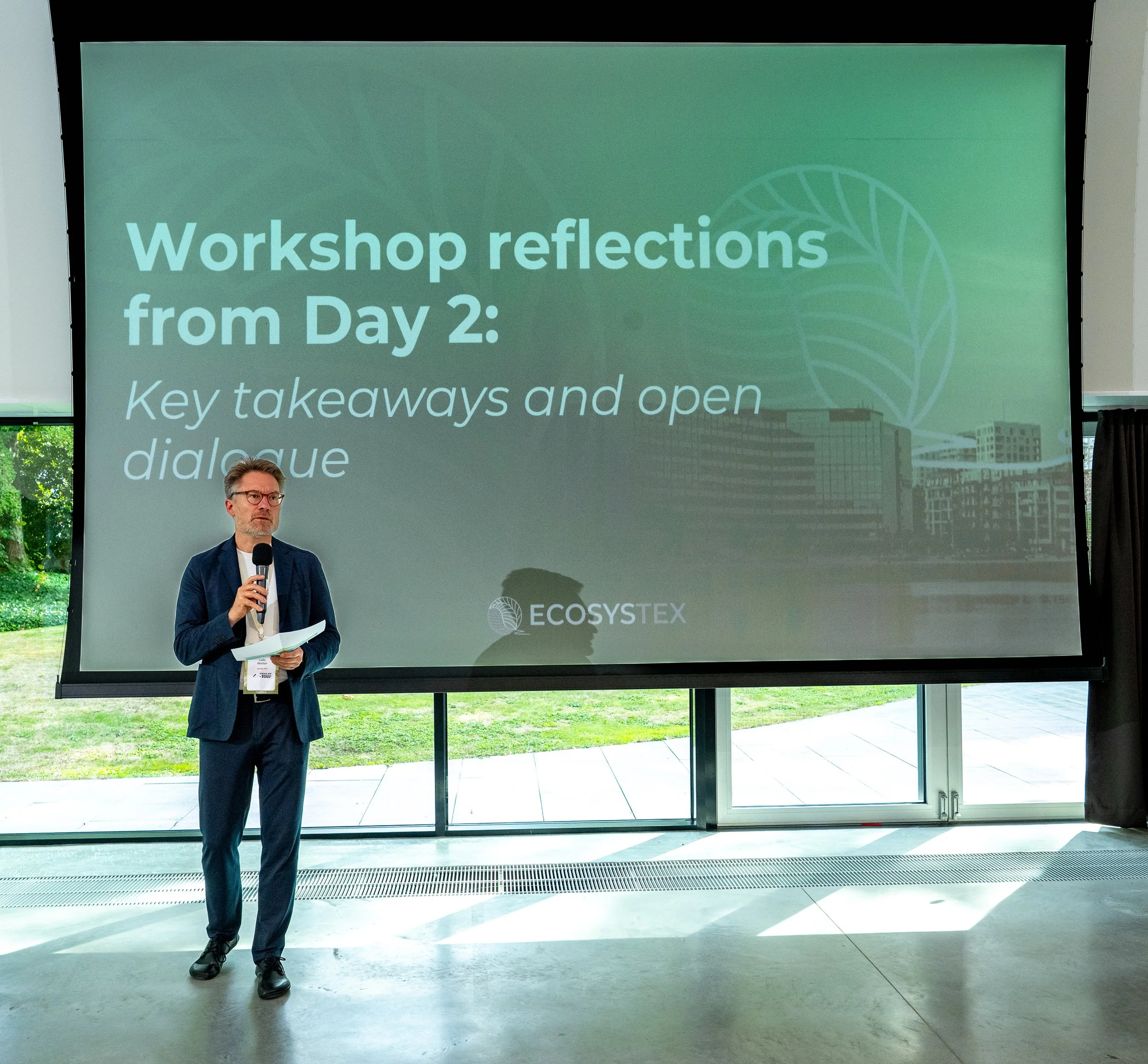
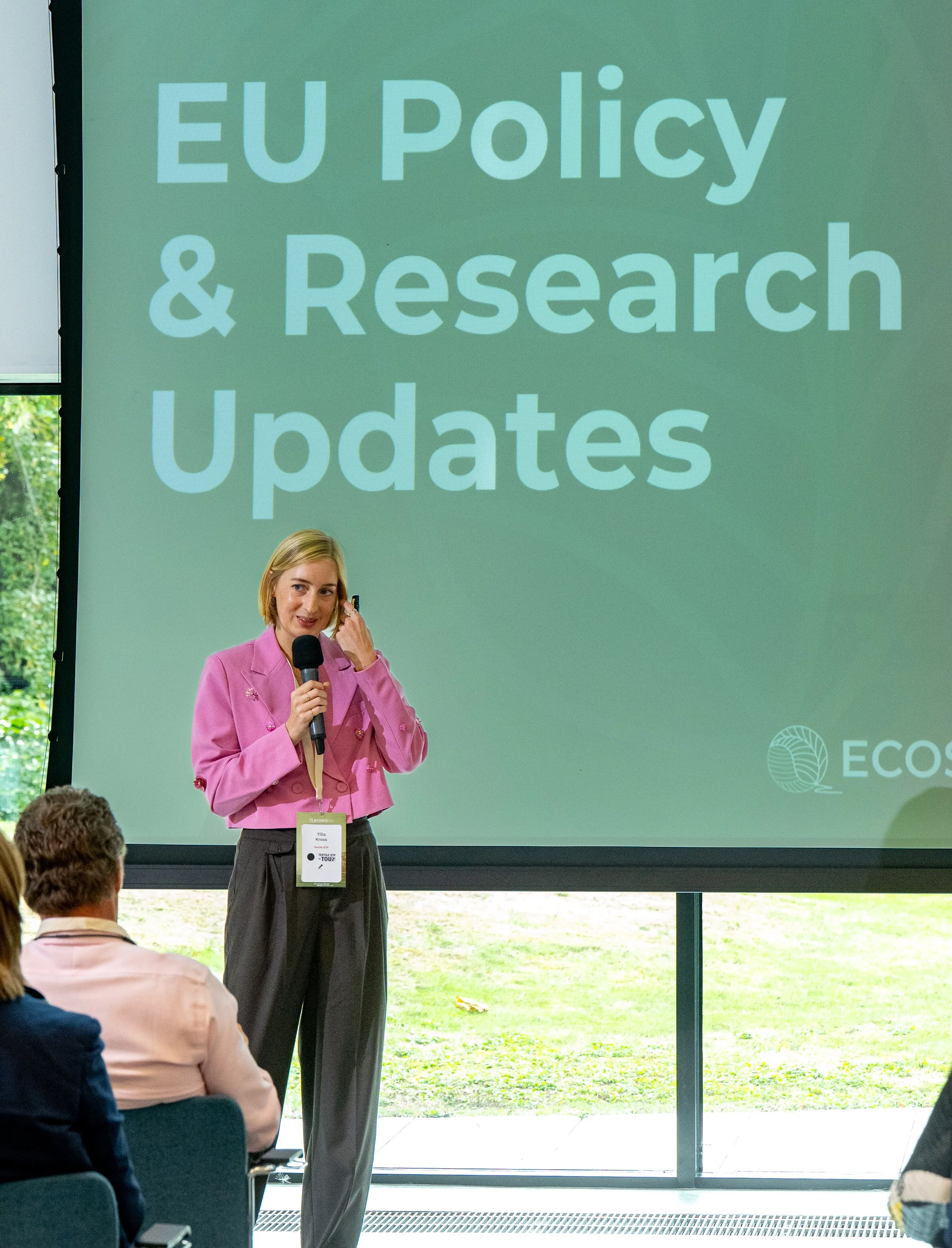
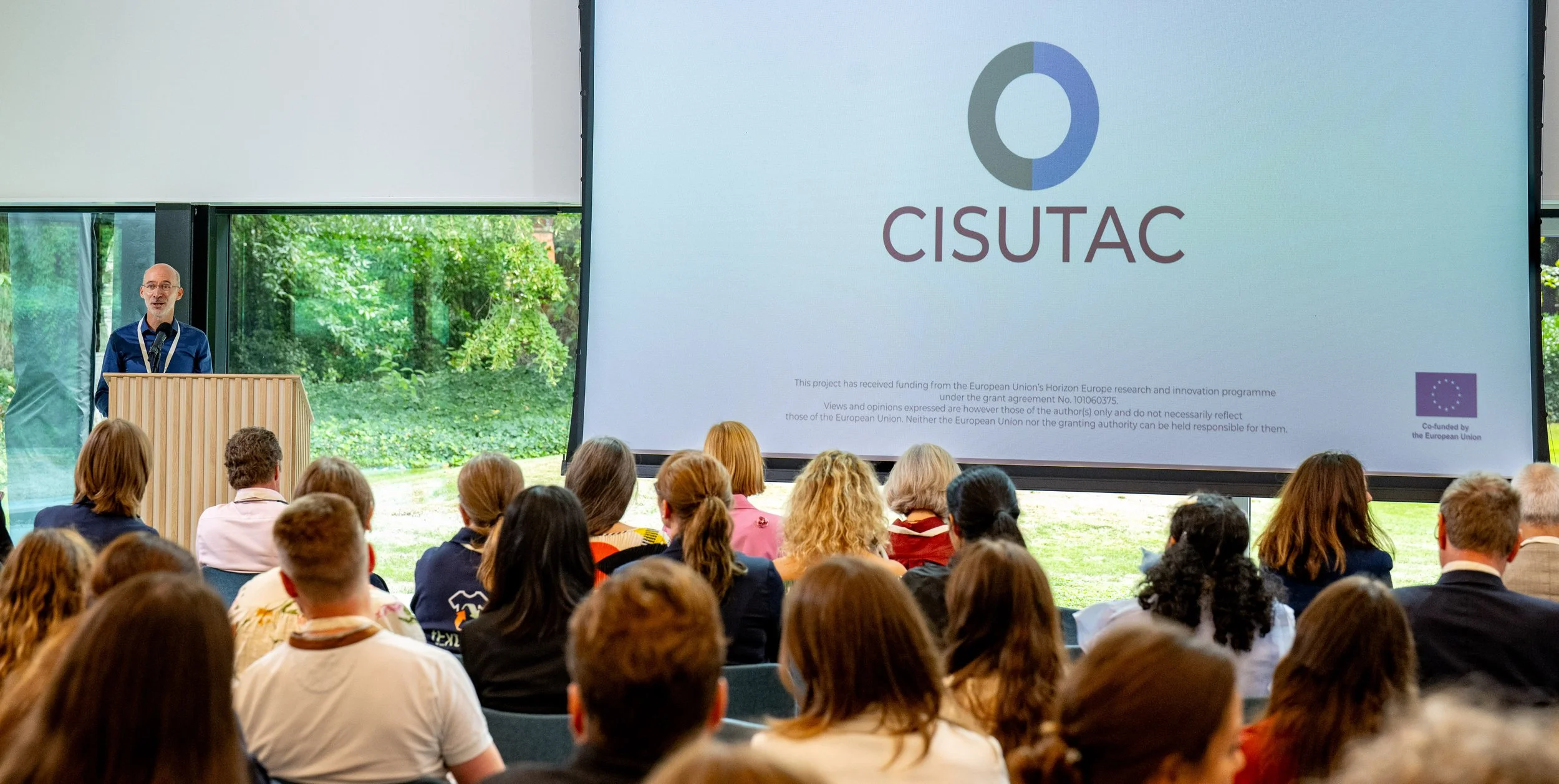
Tilla Kross, Sustainability Programmes Manager at Textile ETP and coordinator of ECOSYSTEX, welcomed participants alongside Annick Schramme of the University of Antwerp, before Guy Buyle of Centexbel introduced the CISUTAC end-of-project video. Four years of work on circular textile value chains gave the room a useful reference point, a reminder of how much of the groundwork has already been covered, and of what is possible for the future.
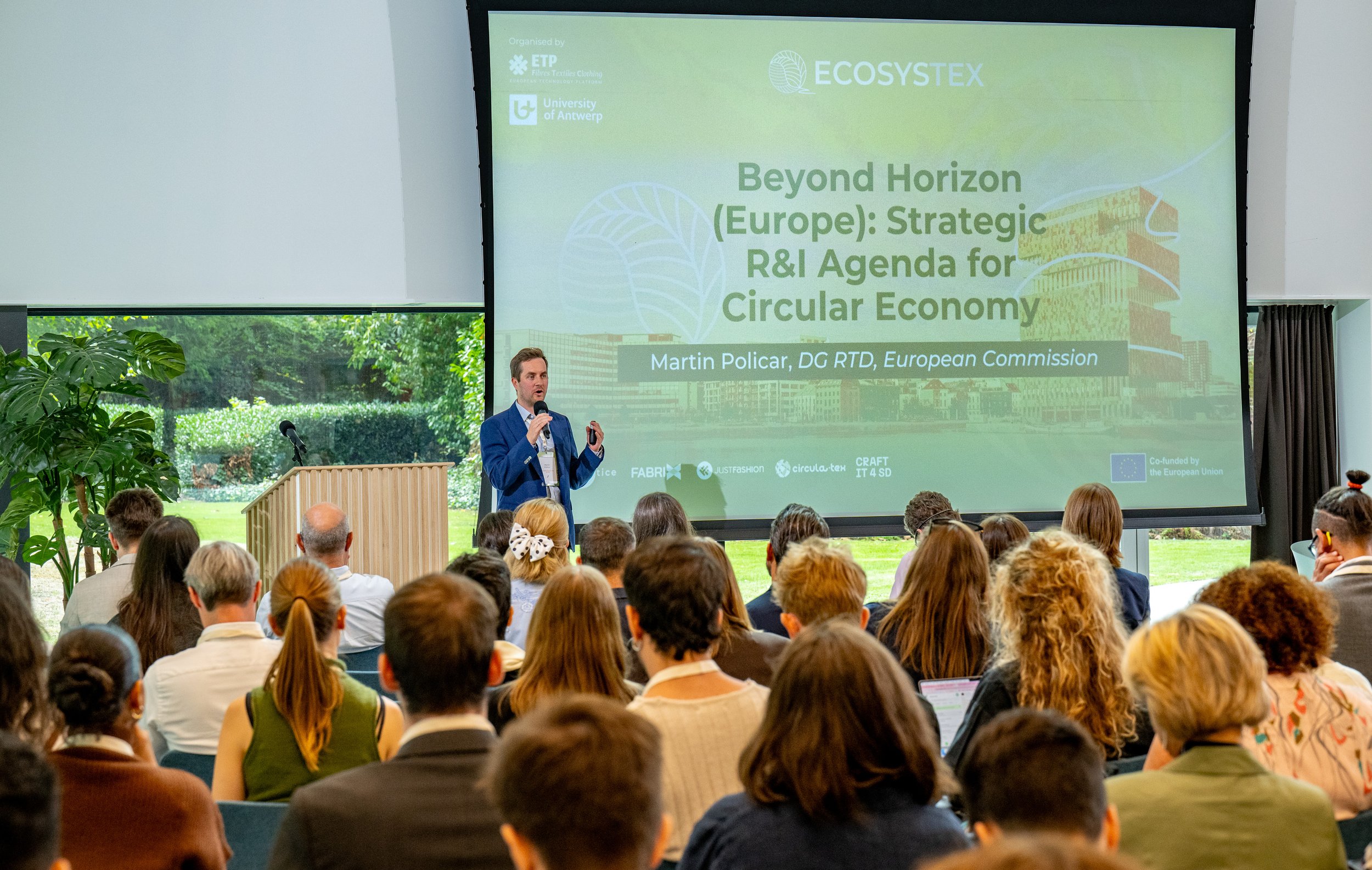
The session that followed took the conversation directly to the institutions that shape the funding and regulatory landscape. Stefania Rocca of the European Research Executive Agency, Vincenzo Gente from DG Environment, Martin Policar from DG Research and Innovation, and Simone Maccaferri of the Circular Bio-based Europe Joint Undertaking laid out where EU textile policy currently stands, what the research agenda looks like and which funding opportunities are approaching, giving participants a chance to hear it in person and to ask their questions in the same room.
The morning closed on a milestone for Texile ETP, the official launch of the Bioeconomy Innovation Strategy for the European Fibres, Textiles and Apparel Industry, a document co-created through Textile ETP's Circular and Biobased Textiles Innovation Hub that sets out the priorities and innovation pathways the sector intends to pursue.
Putting circularity to work: the six ECOSYSTEX projects
“We need to see developments in all industries, including the textile industry, shifting to more competitiveness, more strategic autonomy”
- Martin Policar, DG Research and Innovation
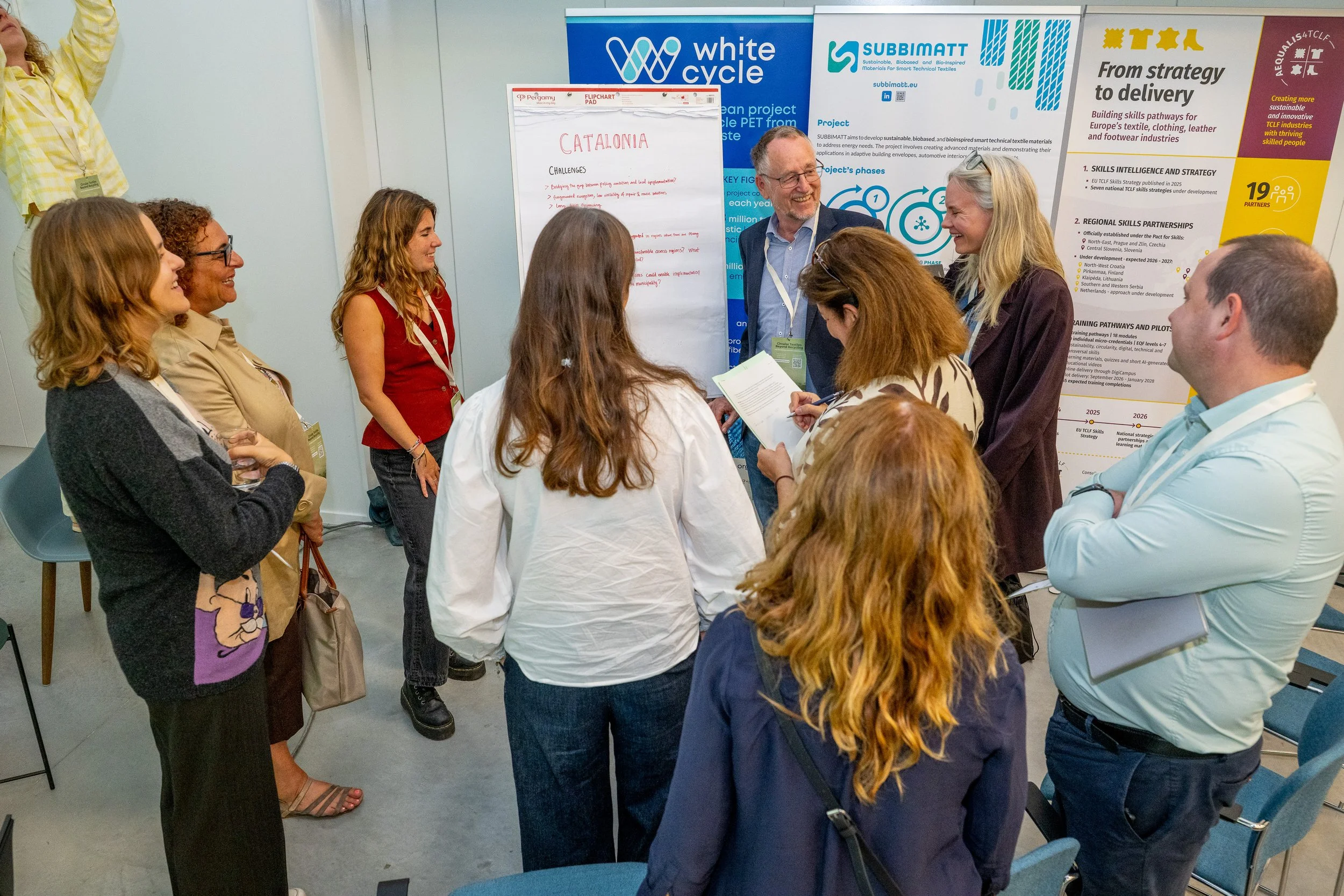
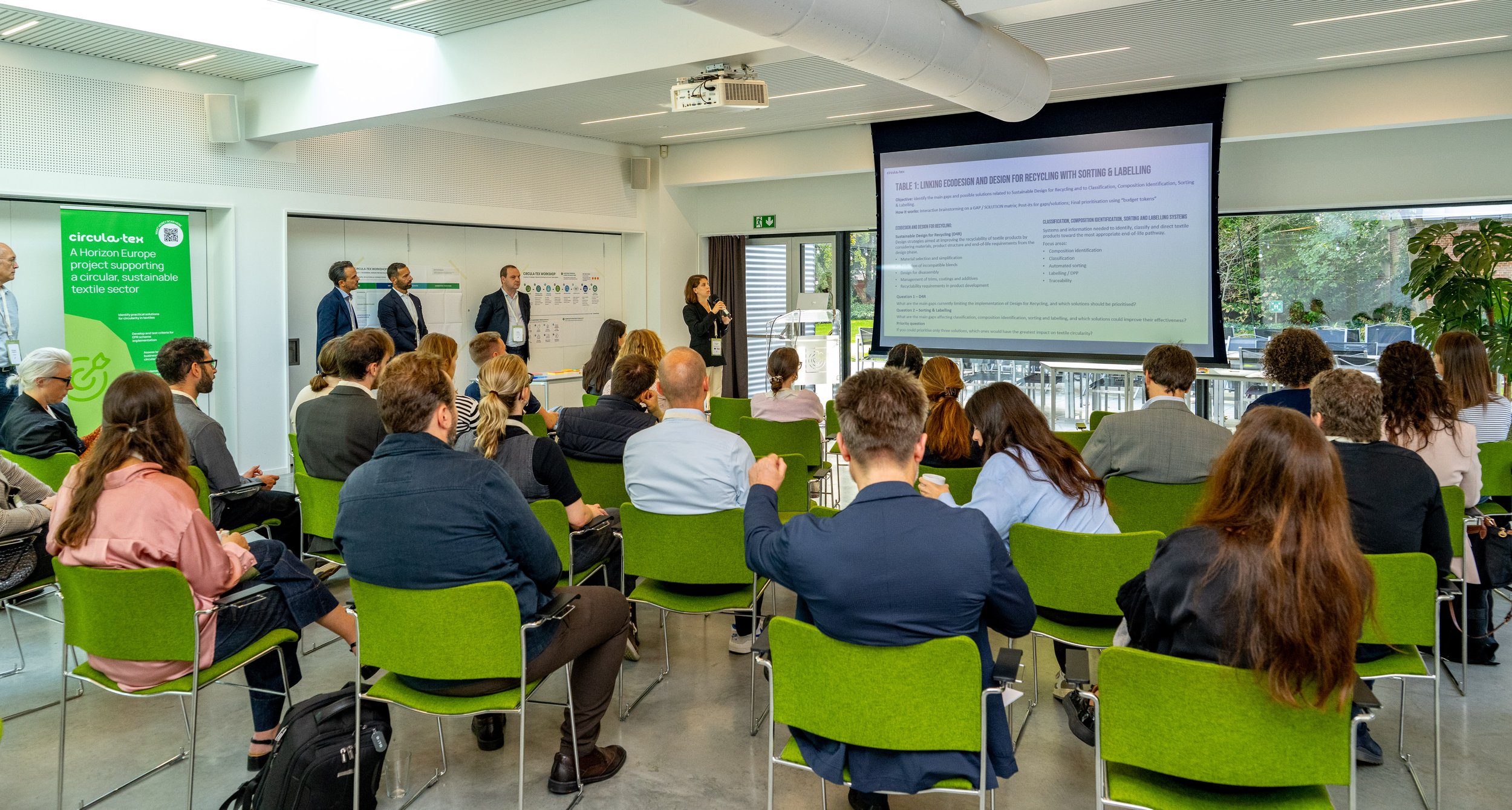
The six co-organising projects were at the heart of the programme, each presenting its work and then taking it to the table in a hands-on workshop.
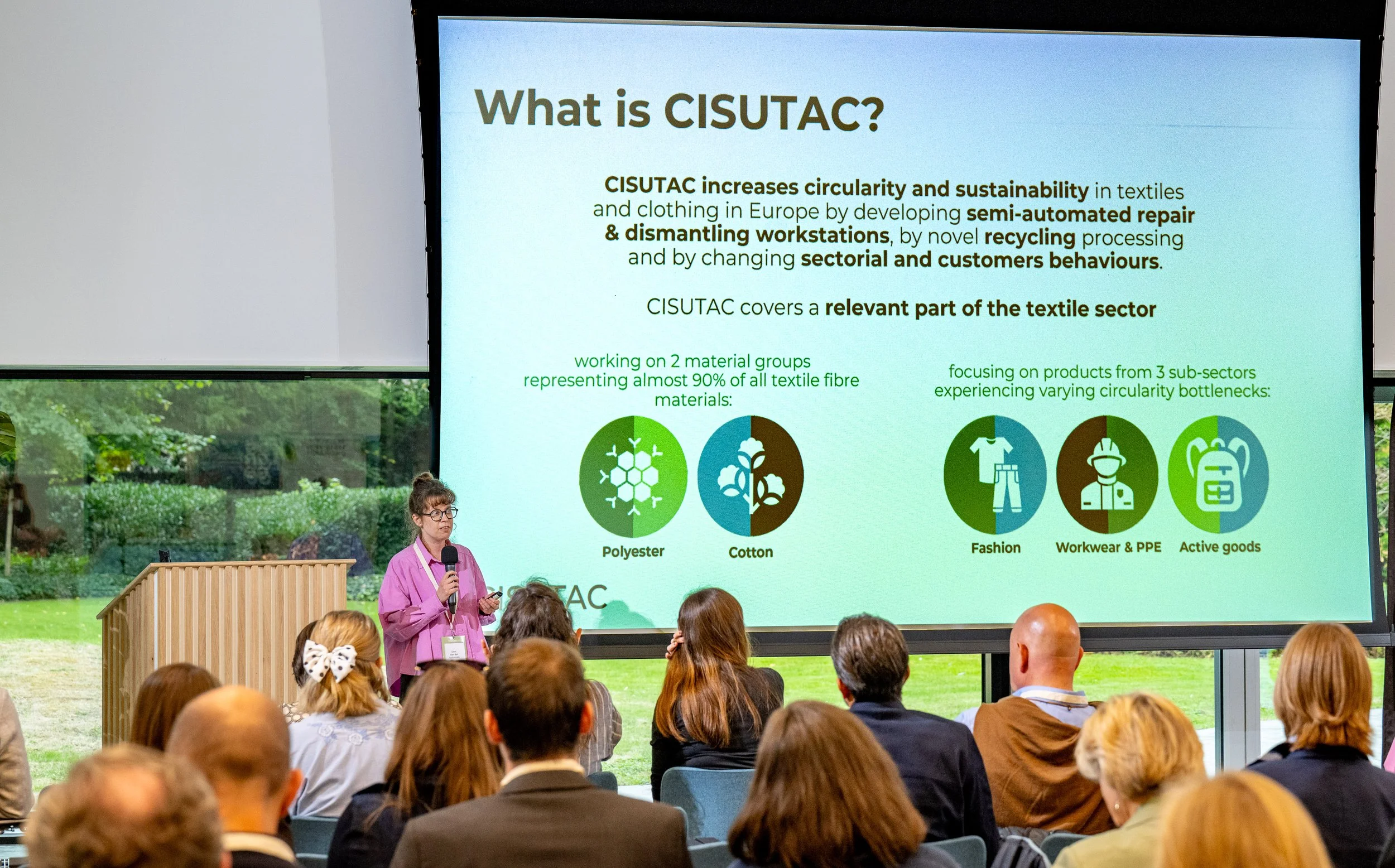
CISUTAC, introduced by Lien Van der Schueren of Centexbel, shared its final results across the whole value chain: data, standards and Digital Product Passports emerged as the enablers that make the rest possible, reuse and repair are already delivering measurable results, and recycling is still held back by technical and economic barriers, leading the project to conclude that the conditions for working together matter more than any single technology.
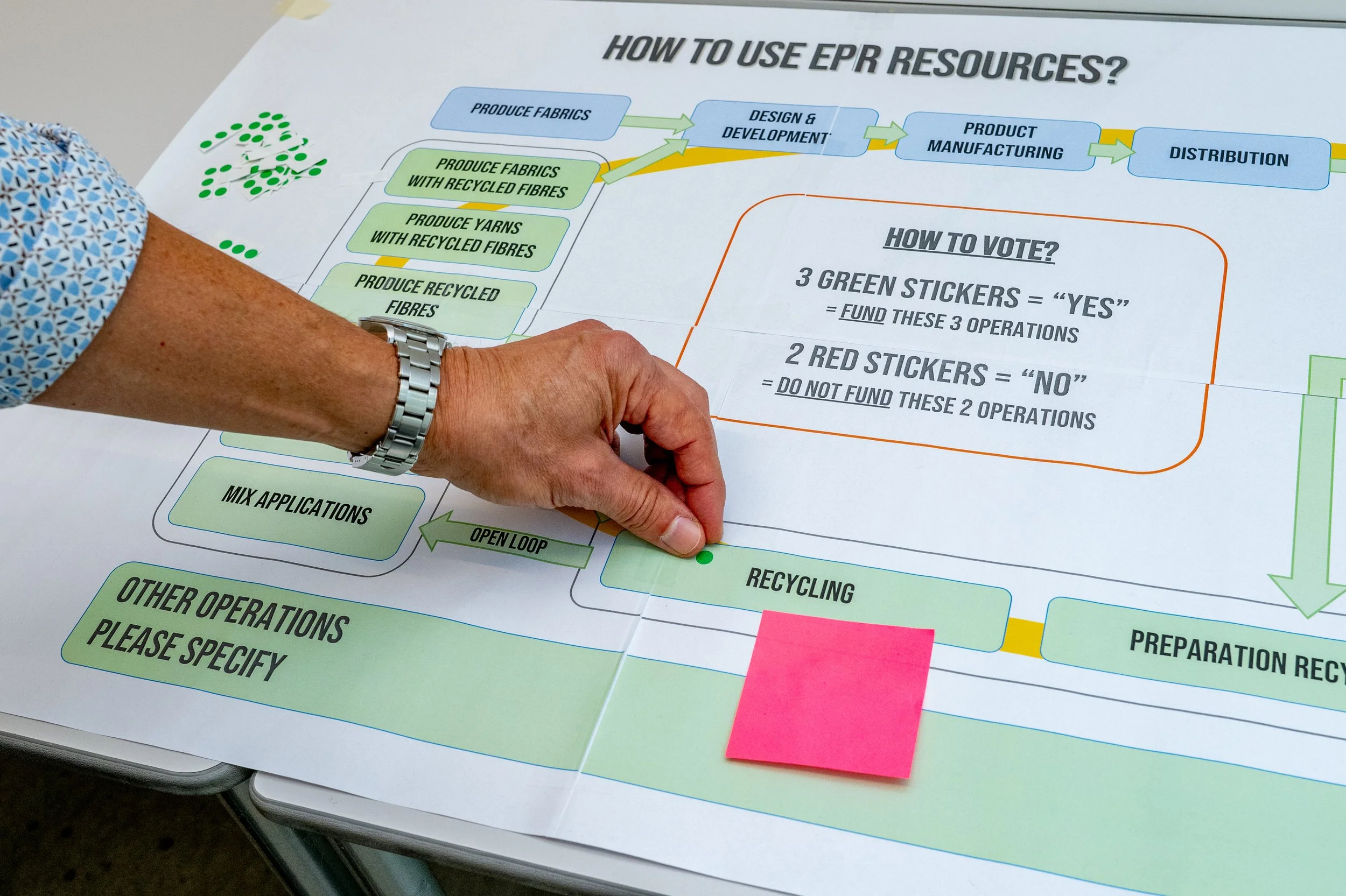
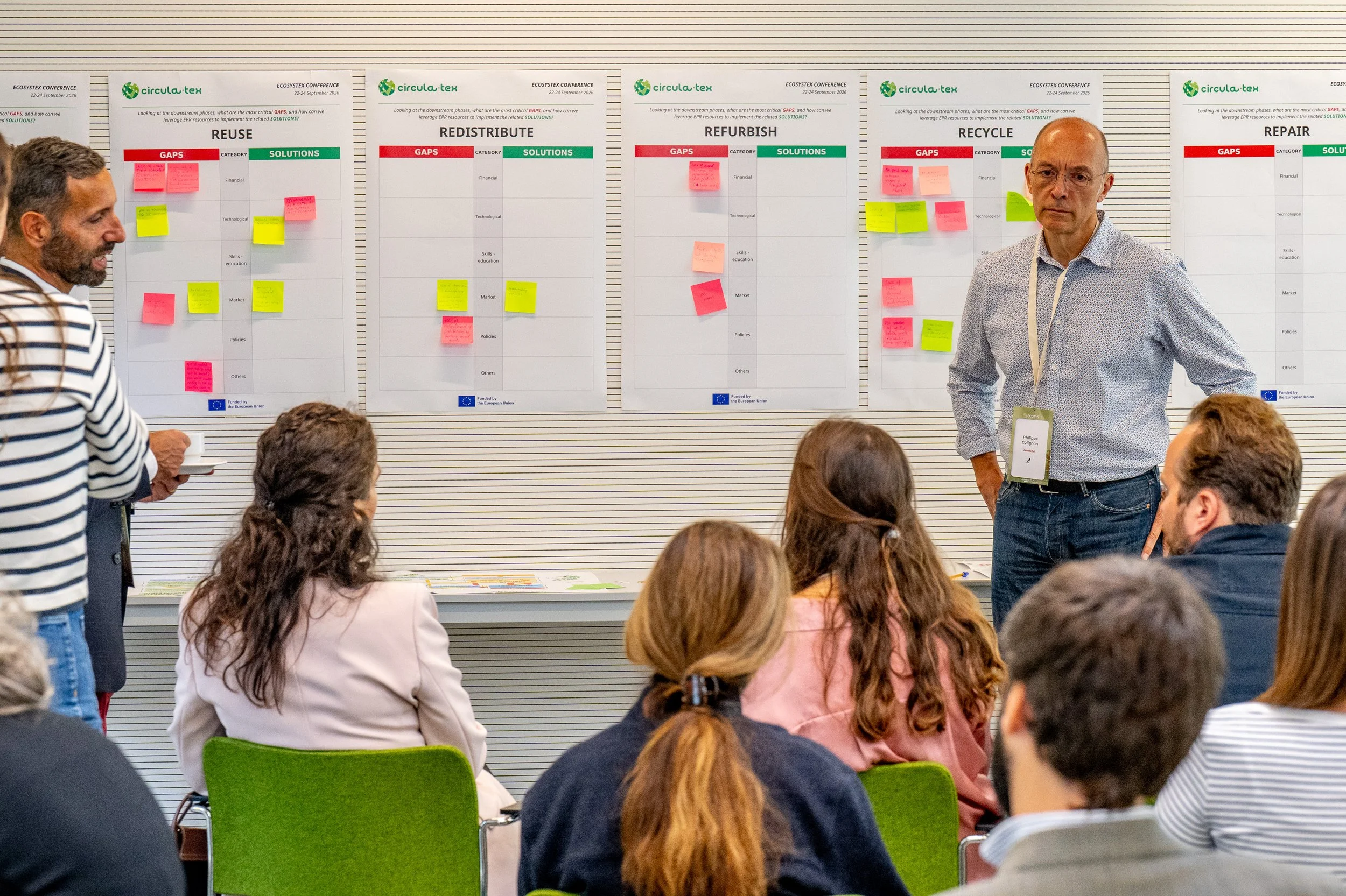
Circula-TEX, presented by Ioana Muntean of RINA with a focus on the practicalities of EPR implementation, mapped gaps and solutions along the chain, from incentives and tools for ecodesign and better-structured Digital Product Passports to the downstream realities of repair, reuse and recycled fibres still competing with virgin material on price.
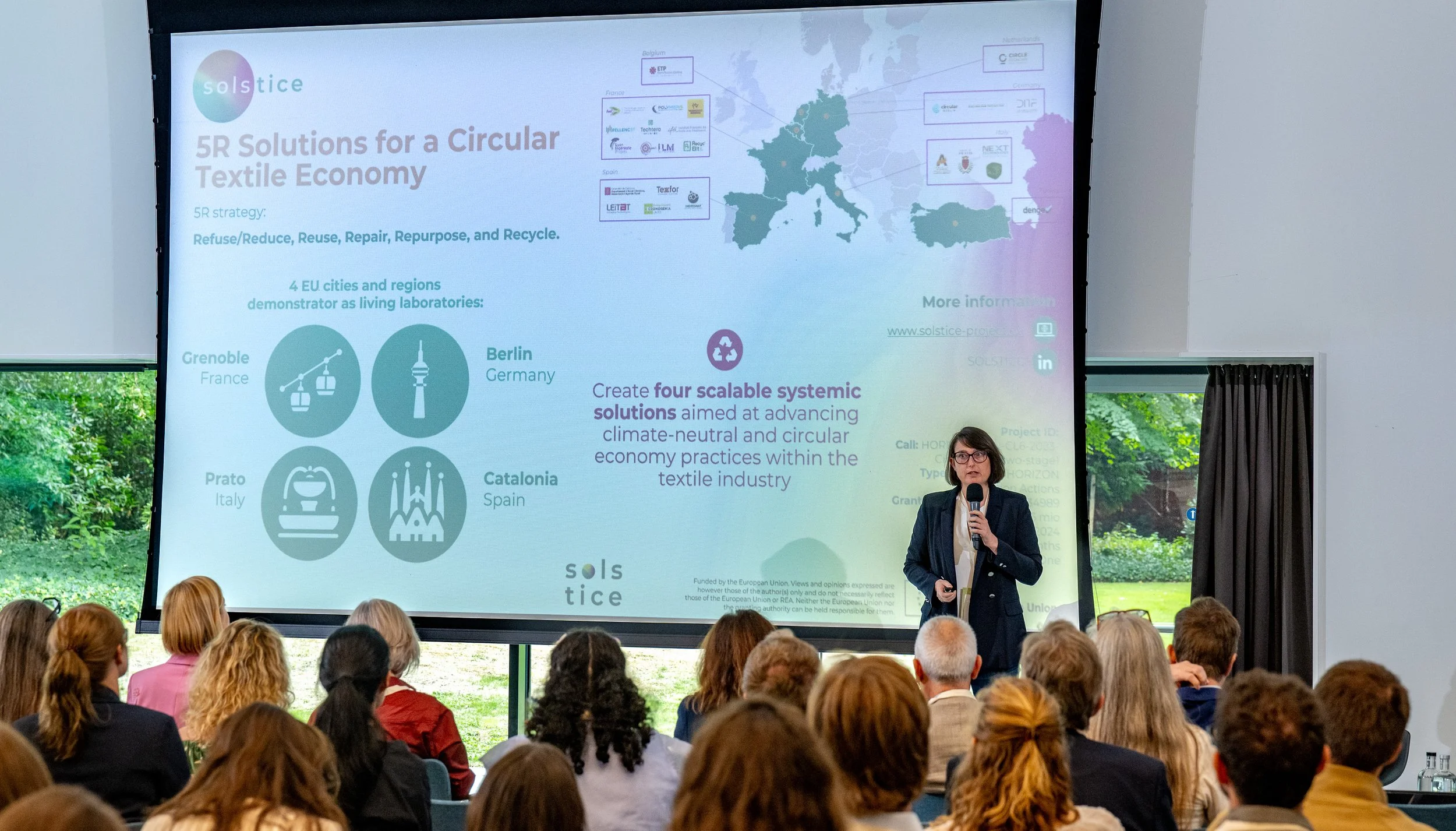
SOLSTICE, introduced by Estelle Dalod of Axel'One through its 5R solutions, took participants into the challenges behind its four pilots in Berlin, Grenoble, Prato and Catalonia to test how far local solutions can be made feasible and replicable elsewhere in Europe.
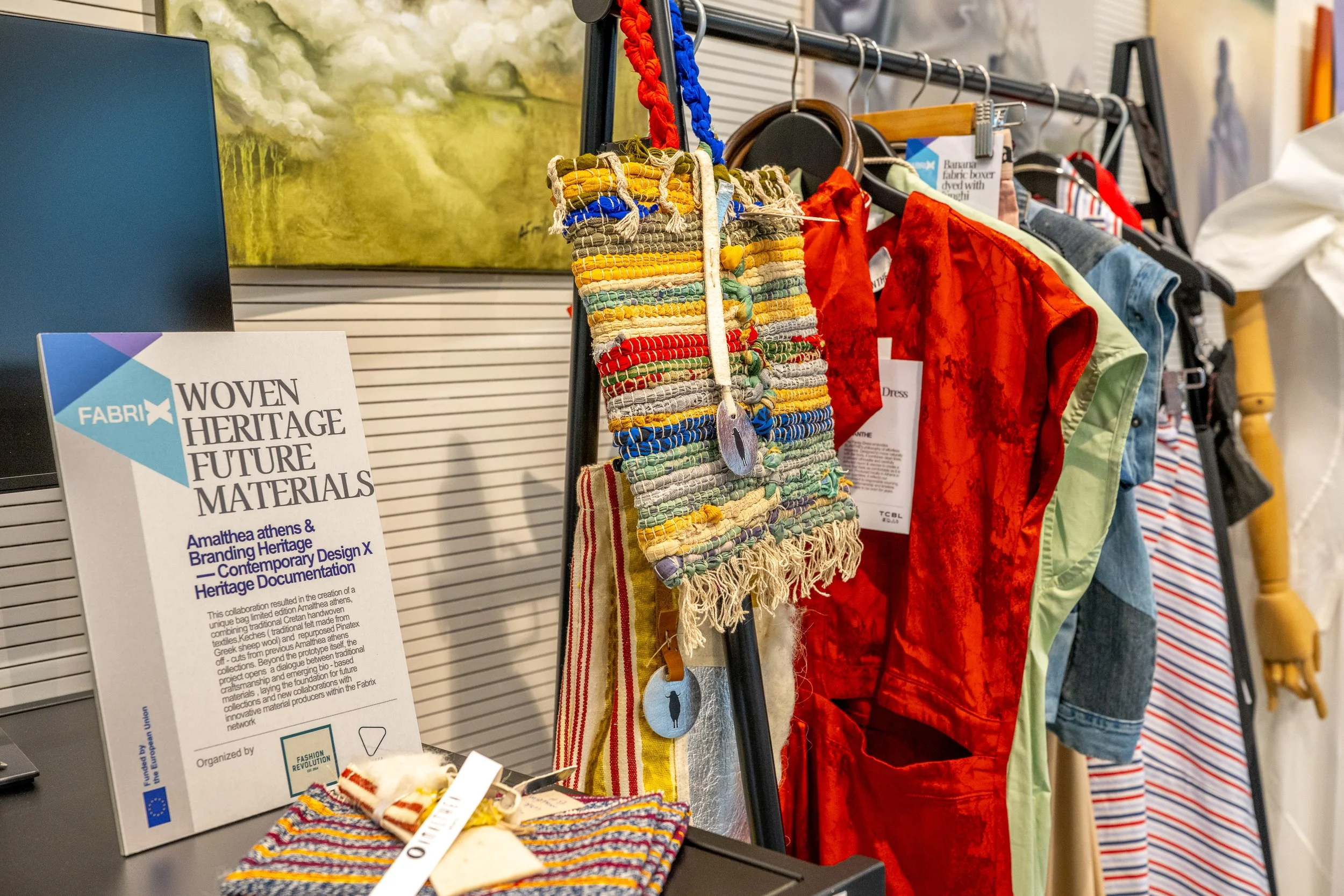
FABRIX, presented by Mariangela Lavanga of Erasmus University Rotterdam with its focus on urban communities of production, put its open-access platform for mapping regional players and enabling industrial symbiosis in front of three focus groups, who reviewed profiles and identified what the tool still lacks.
JUST FASHION, introduced by Annick Schramme as a project supporting a just transition for fashion MSMEs, brought experts around FISI, its self-assessment tool, and asked them to settle a question that sounds simple and is not: where the line falls between good, average and poor environmental and socio-economic performance.
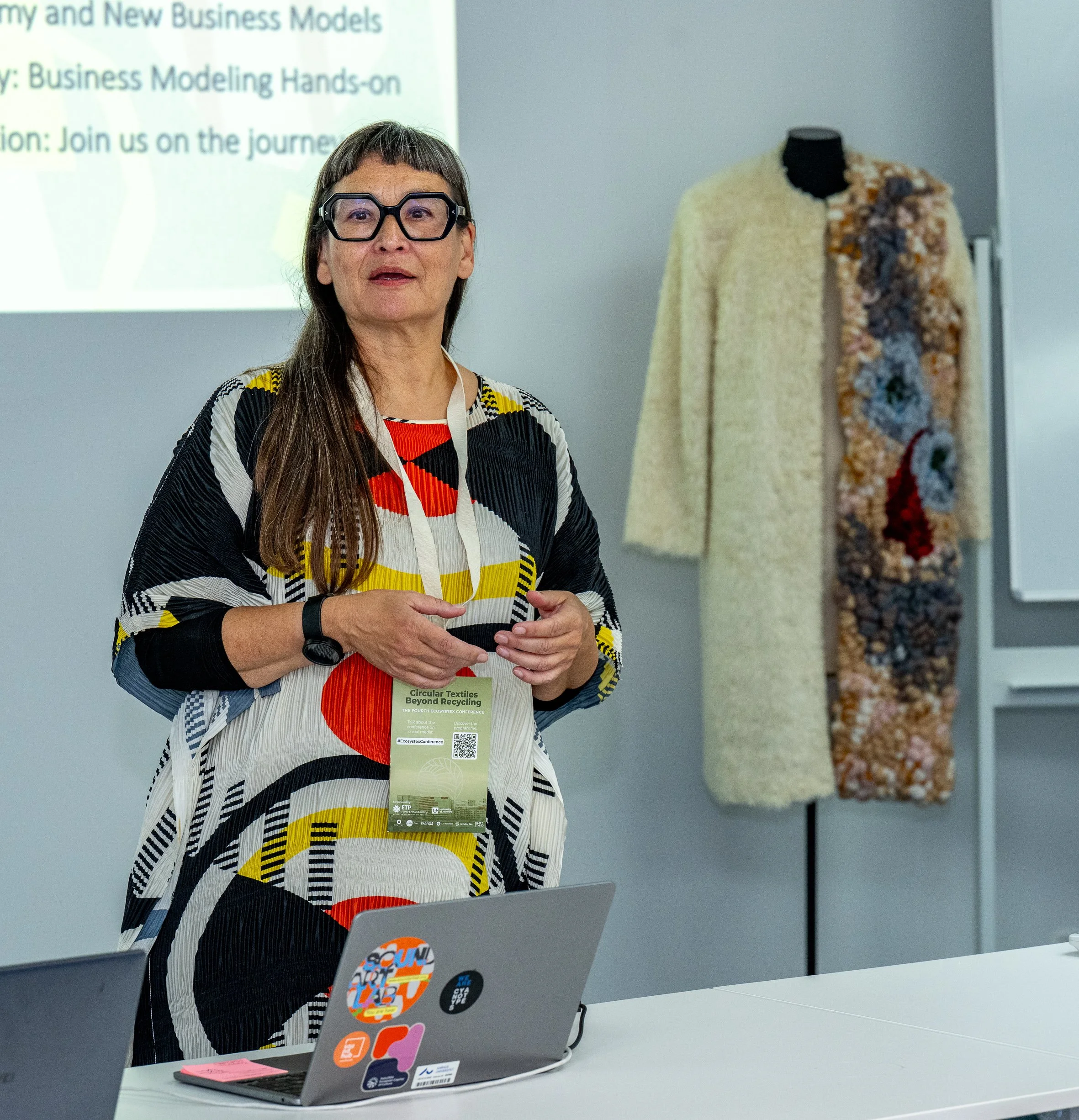
CRAFT-IT4SD, presented by Adrienne Heijne of Aarhus University with a focus on the revitalisation of craft, worked through a Romanian deadstock collection and the "Weaving Identities" initiative before asking participants to build two sufficiency-oriented business model canvases, testing how craft-based approaches can sustain themselves economically.
Circularity in practice across Antwerp
The conference also stepped outside the venue, with participants splitting into two groups.
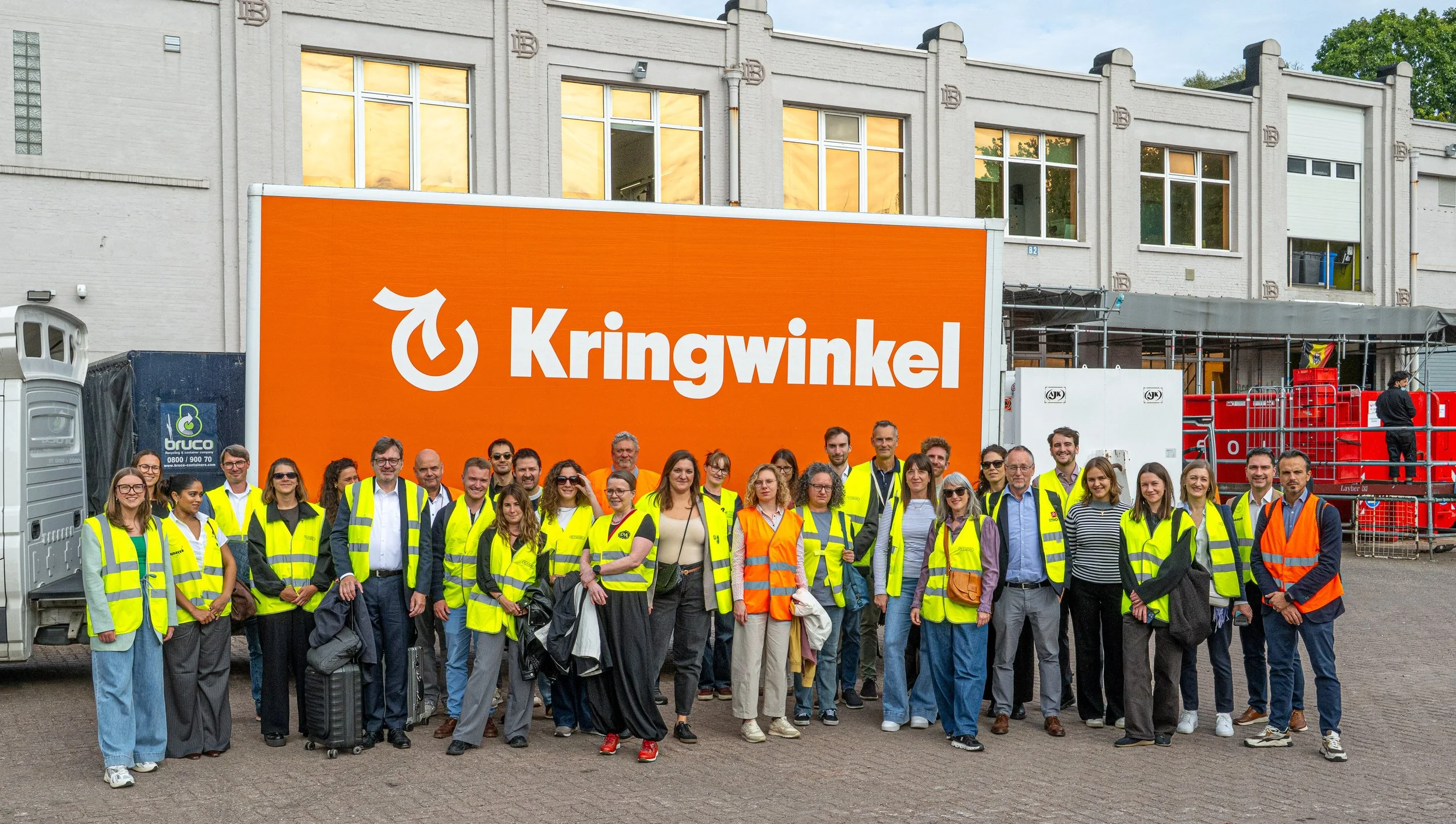
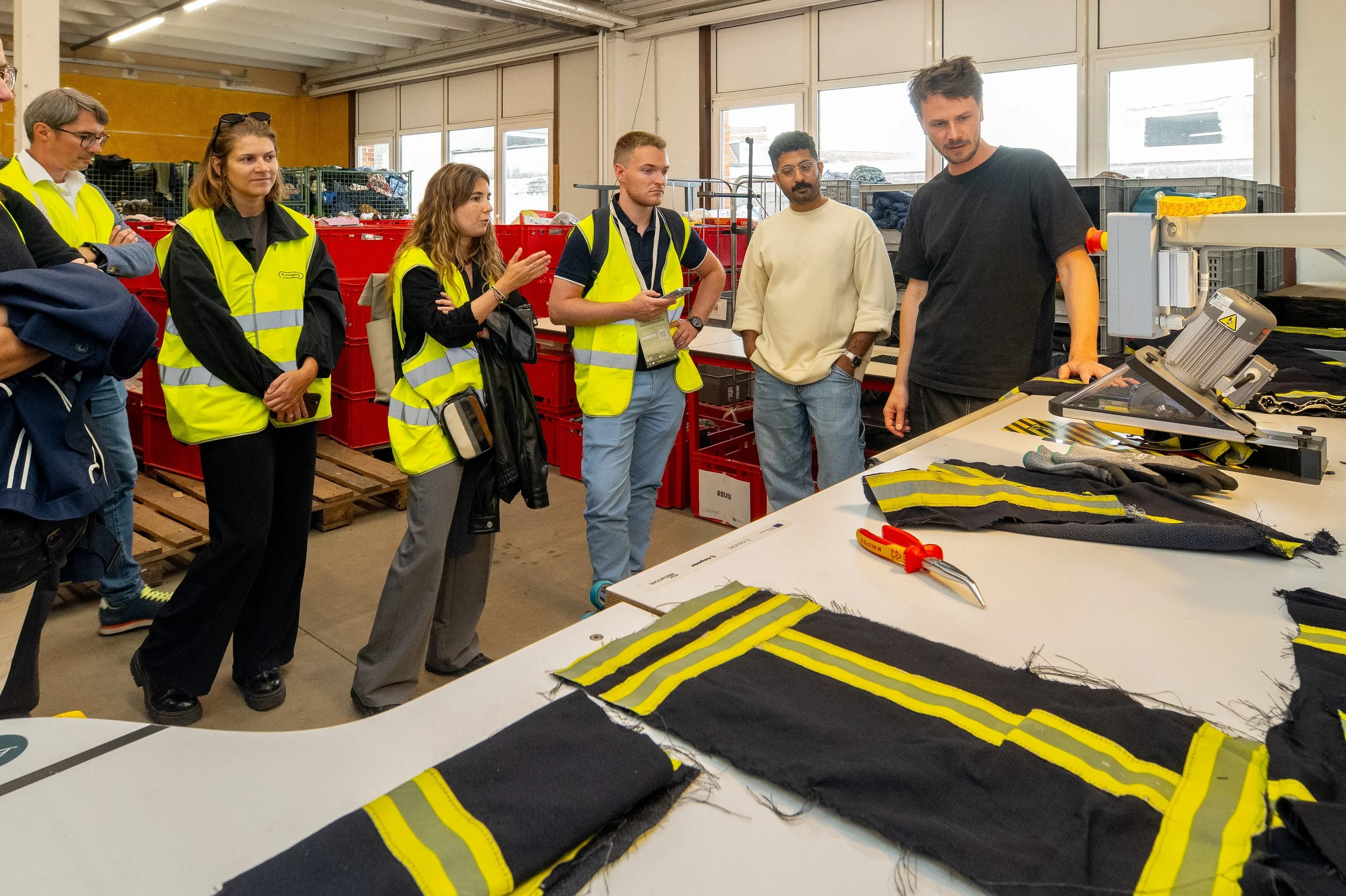
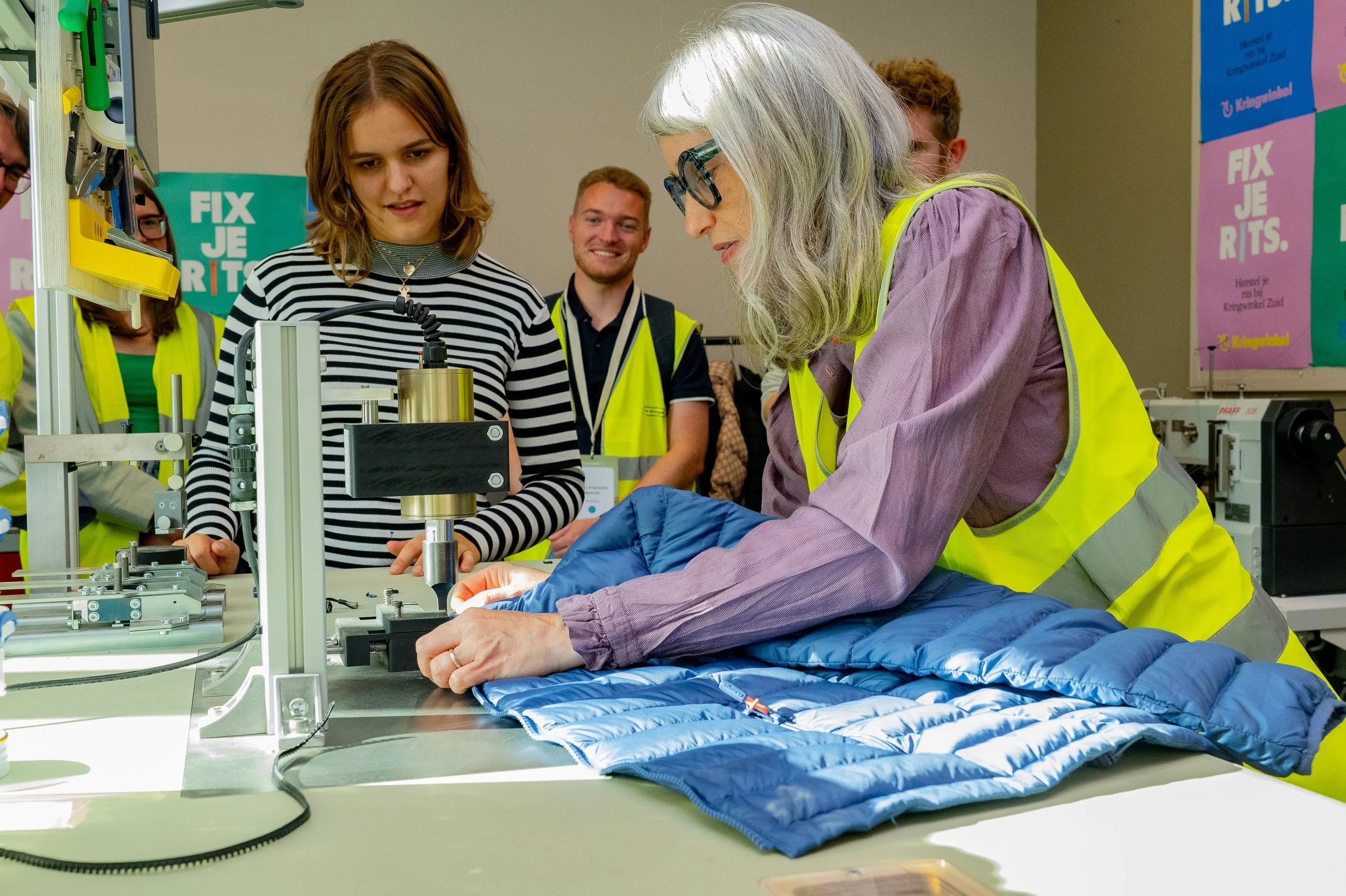
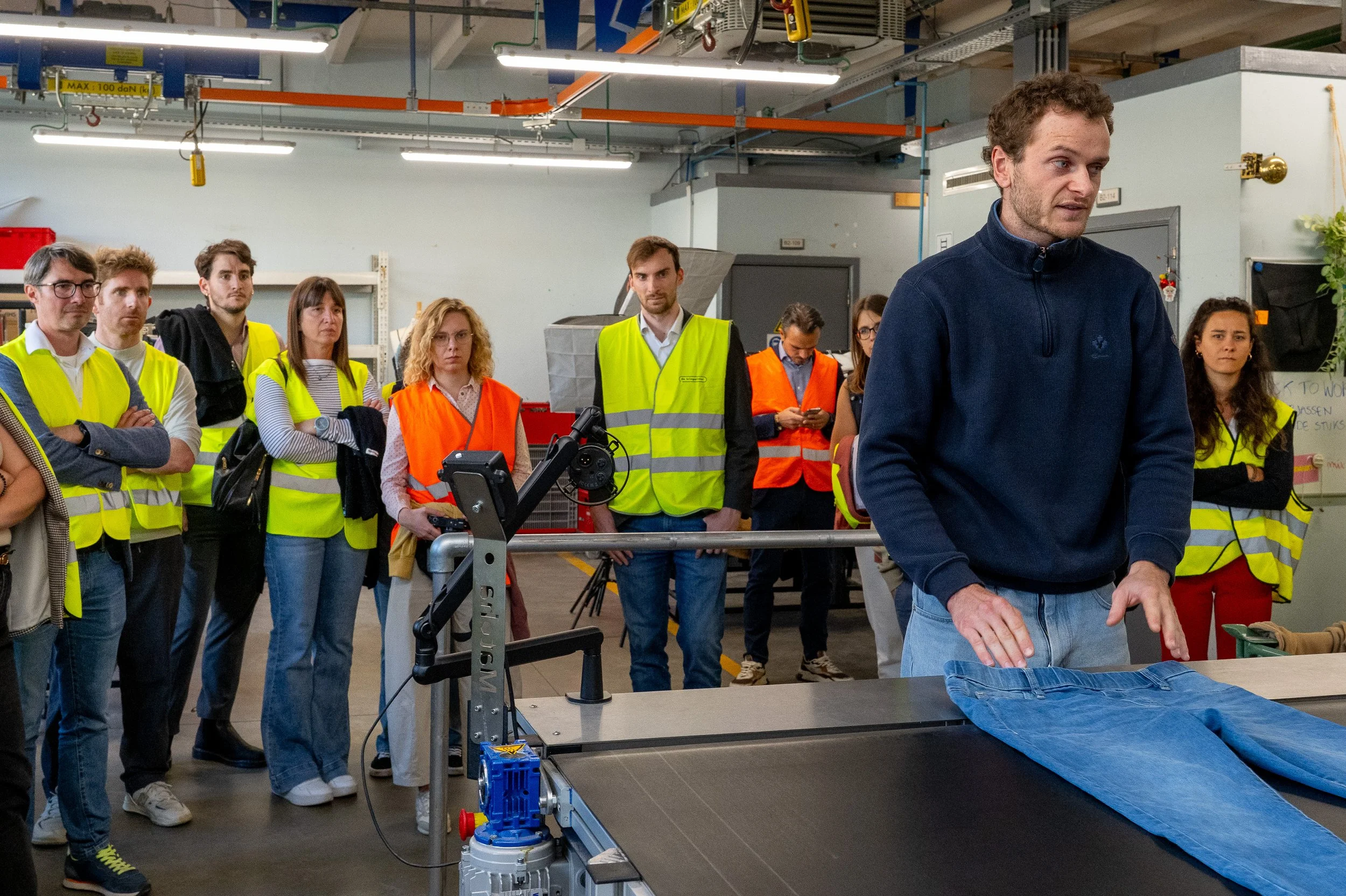
One group headed to Kringwinkel Antwerp, a social enterprise handling 1.5 million kg of textiles a year, to see the CISUTAC pilots in action: a repair atelier that has moved from zipper fixes to full garment restoration, a dismantling station recovering aramid fibres from firefighter suits, and an enhanced sorting pilot for reuse and recycling, all built on training and employment opportunities for people at a distance from the labour market.
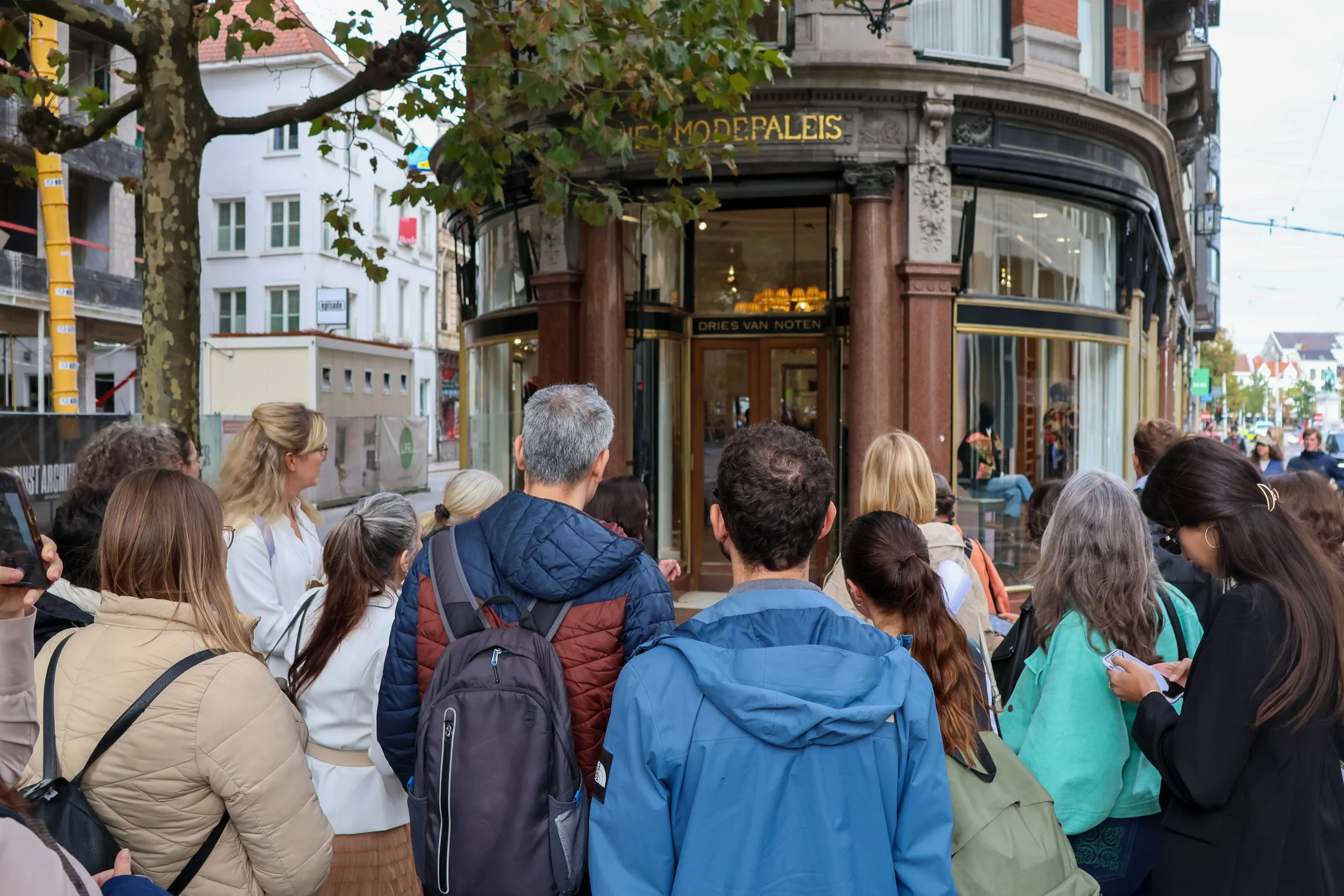
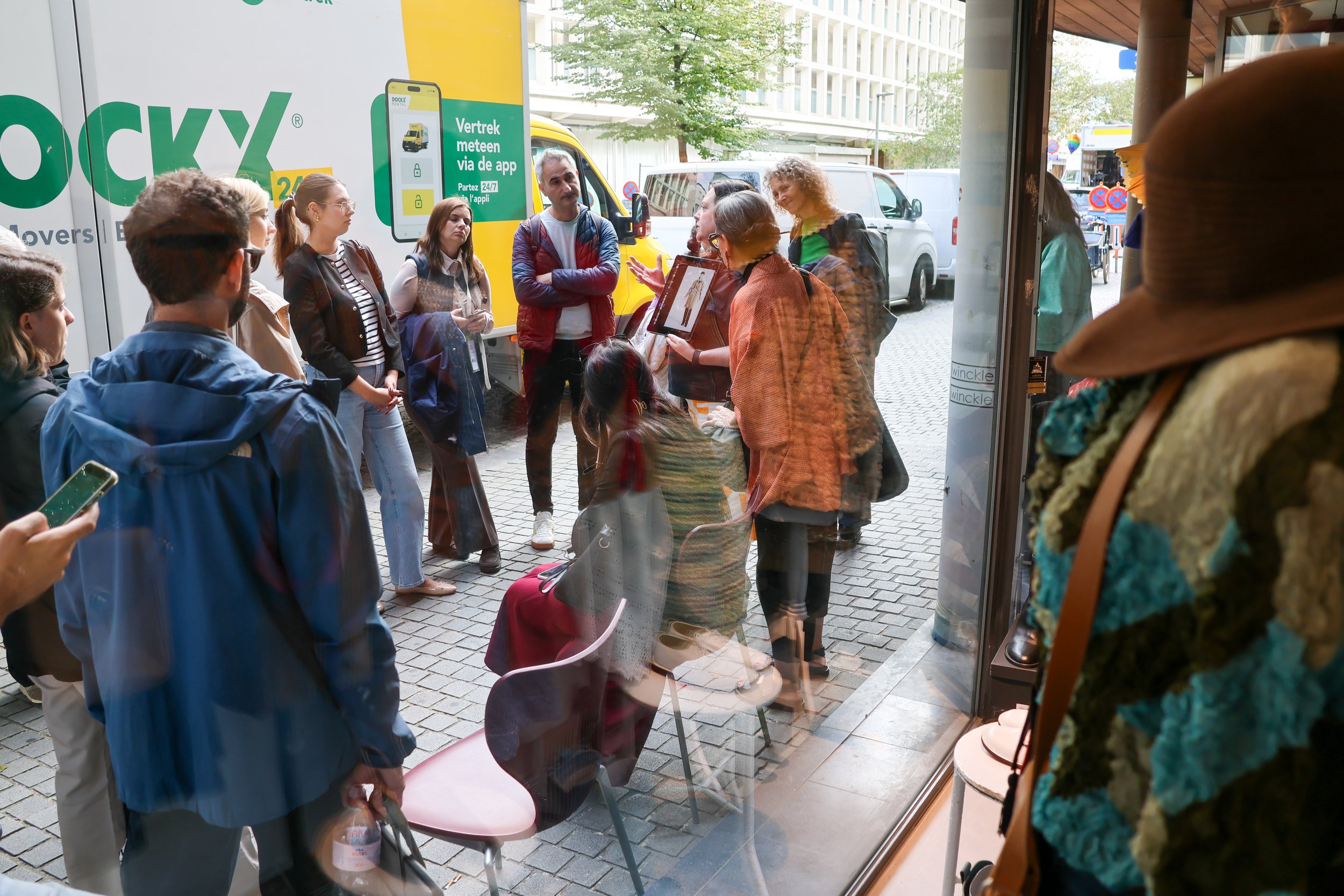
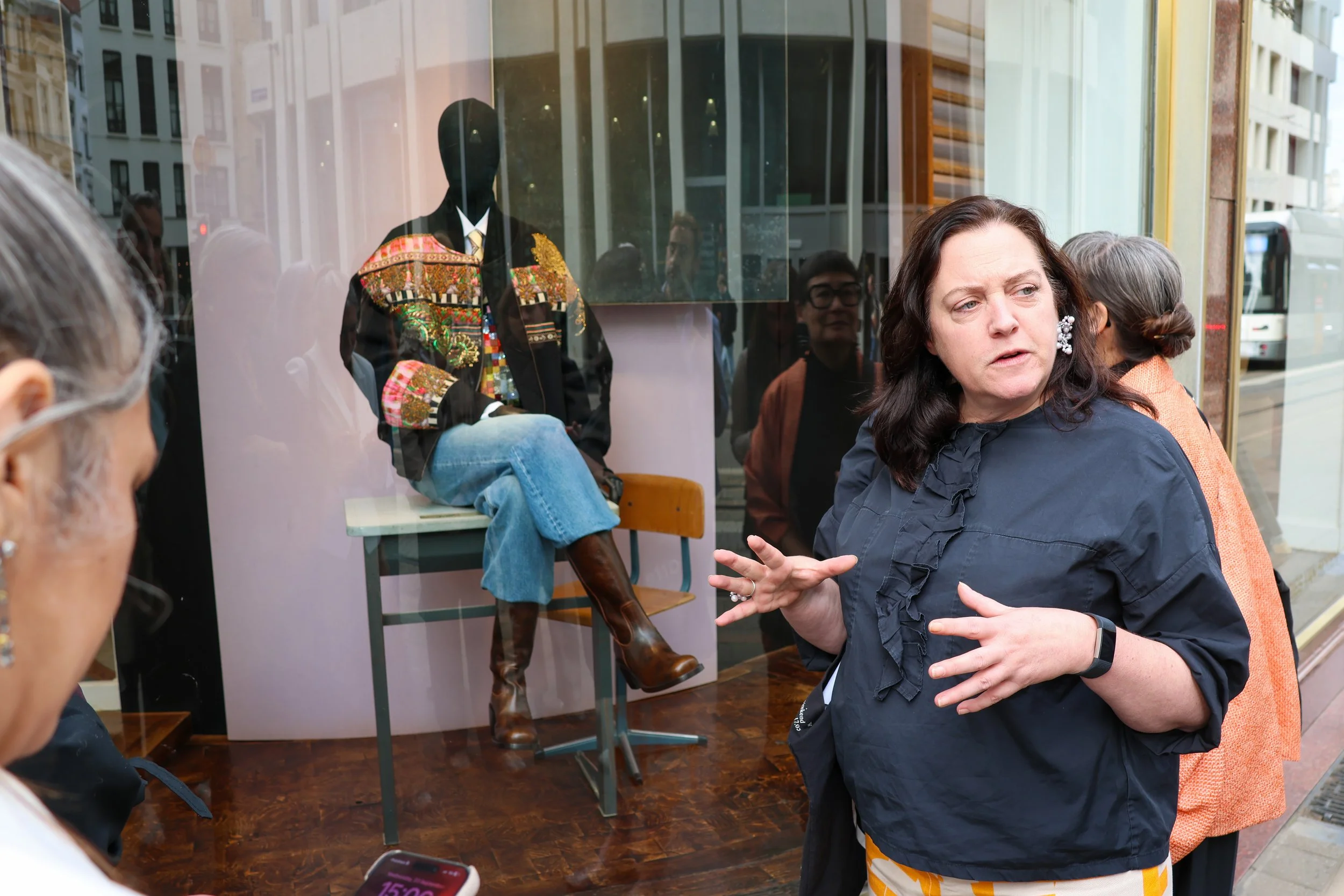
The other group joined MoMu Fashion Museum Antwerp for a Fashion & Sustainability Walk through the city, revisiting Antwerp's defining fashion locations, designers and movements through a sustainability lens and seeing how reuse, recycling and upcycling have shaped its fashion scene.
The third day was dedicated to the Textile ETP on Tour in Ghent and Brussels.
These three days in Antwerp made one thing clear: the fourth edition of ECOSYSTEX was not an end point but a starting line for the next phase of the sector's circular transition. The new Bioeconomy Innovation Strategy, the Skills Observatory and the tools, pilots and results presented by the six projects give the sector solid ground to build on. How far they travel now depends on their uptake across the value chain, and ECOSYSTEX will keep bringing the community together to make sure they do. Thank you to all the speakers and projects who took part, and to everyone who joined us.
Photos of the ECOSYSTEX Conference 2026 are available here.