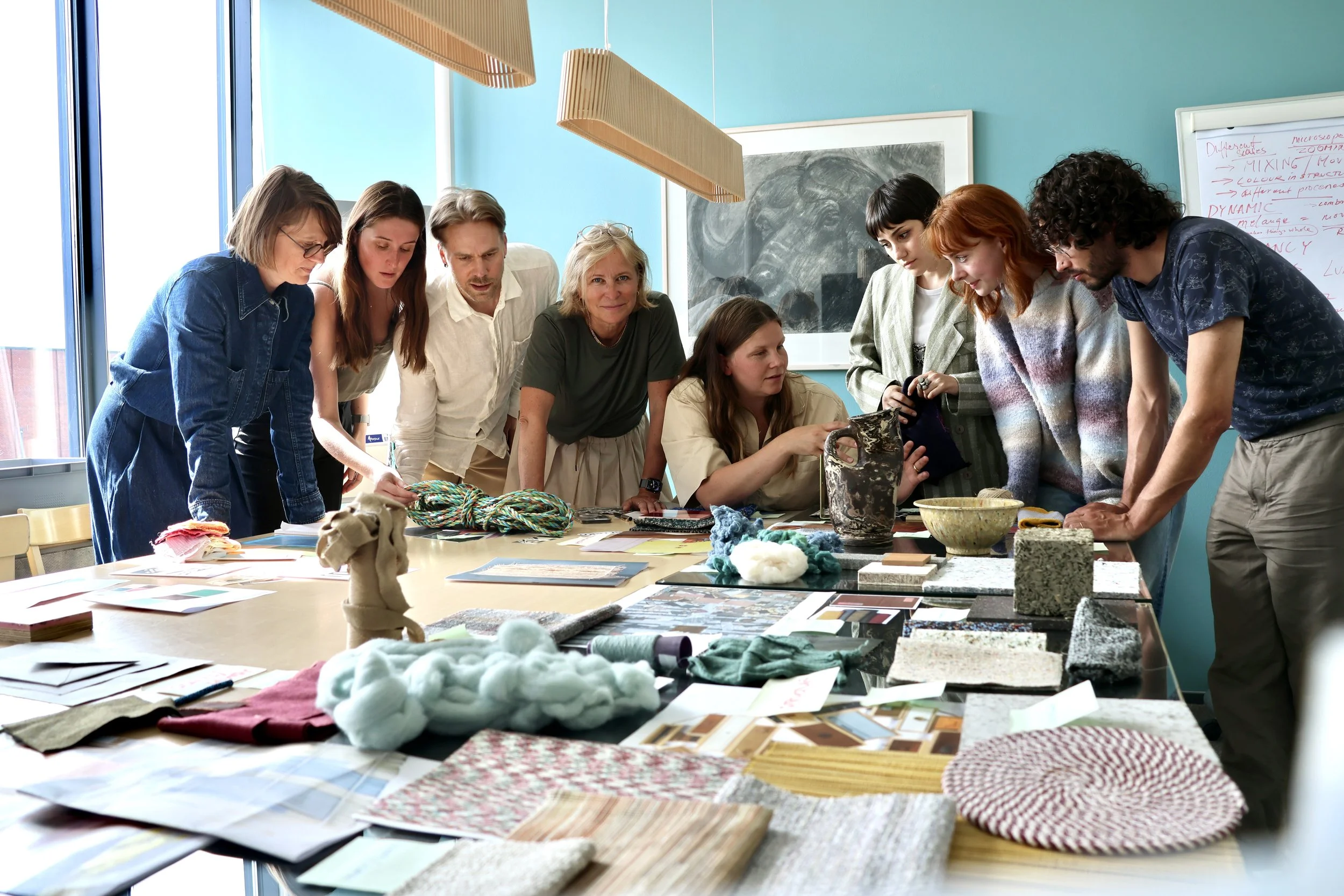
MELANGE starts with a co-creative design workshop at Aalto University to shape the visual identity of this new project transforming colouration in textiles
Over the next three years, MELANGE will lower the environmental impact of interior textile production by moving colour design to the beginning of the manufacturing process. This Horizon Europe project officially started on 1 August 2026, and will be publicly launched on 27 August 2026.
The industry today treats colour as something applied at the end to achieve replicability and uniformity, at the massive cost of water, energy, and chemicals. MELANGE sees variation as a desirable signature of uniqueness, not a defect. That is why MELANGE combines expertise in design, technology and business, bringing together researchers, designers, industrial partners and textile networks to inspire and guide designers, industry, and policy-makers to adopt new aesthetics and a more sustainable way of working with colours
The consortium, led by Aalto University, includes industrial partners representing the textile supply chain, ranging from the Austrian fibre producer Lenzing to Turkish spinning mill Karacasu Tekstil and weaving mill Vanelli Tekstil, Slovenian interior design company Triiije Architect, VIA University College from Denmark, Brussels-based Ohana Public Affairs and Textile ETP, and Next Technology Tecnotessile from Italy.
A visual identity born from co-creation
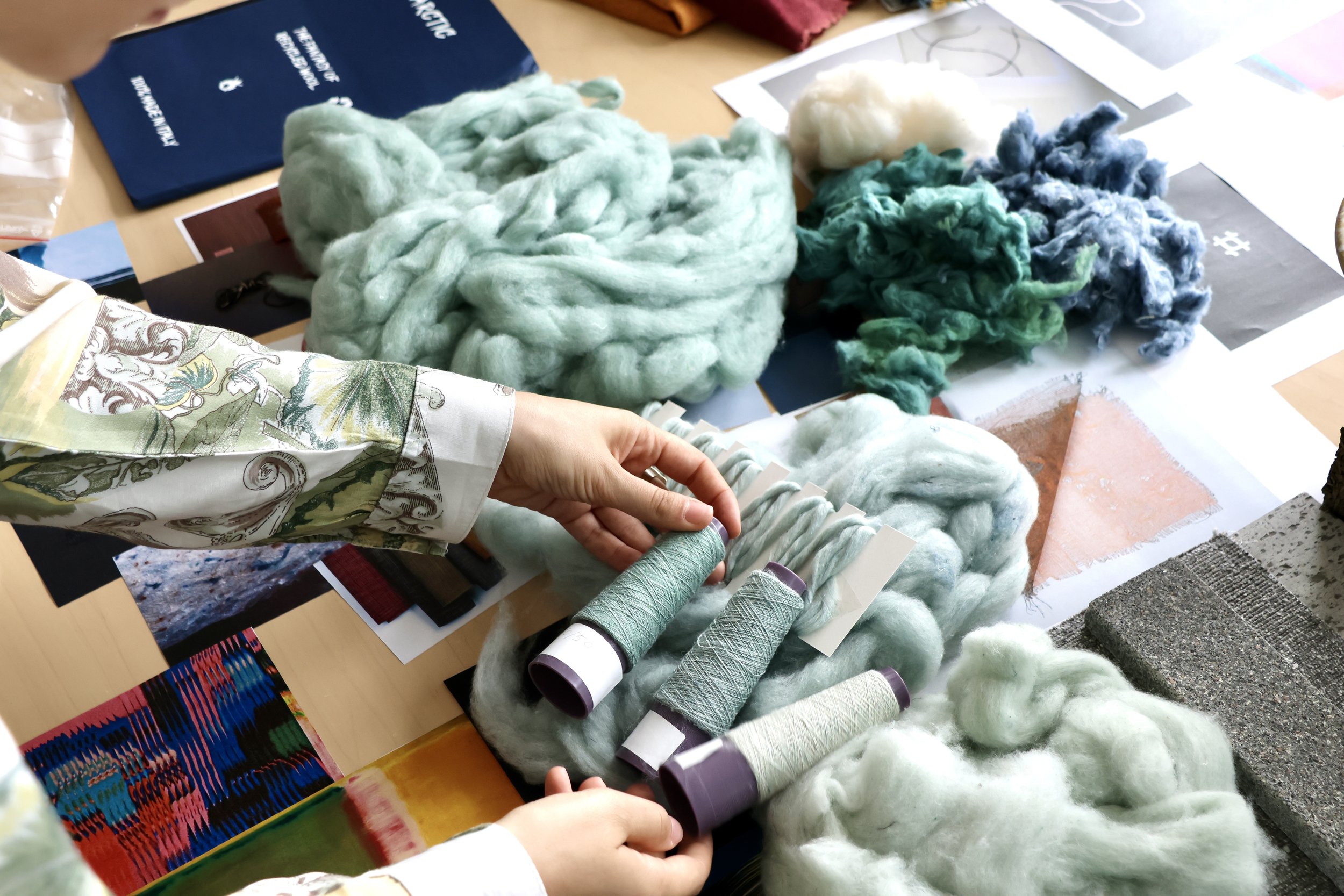
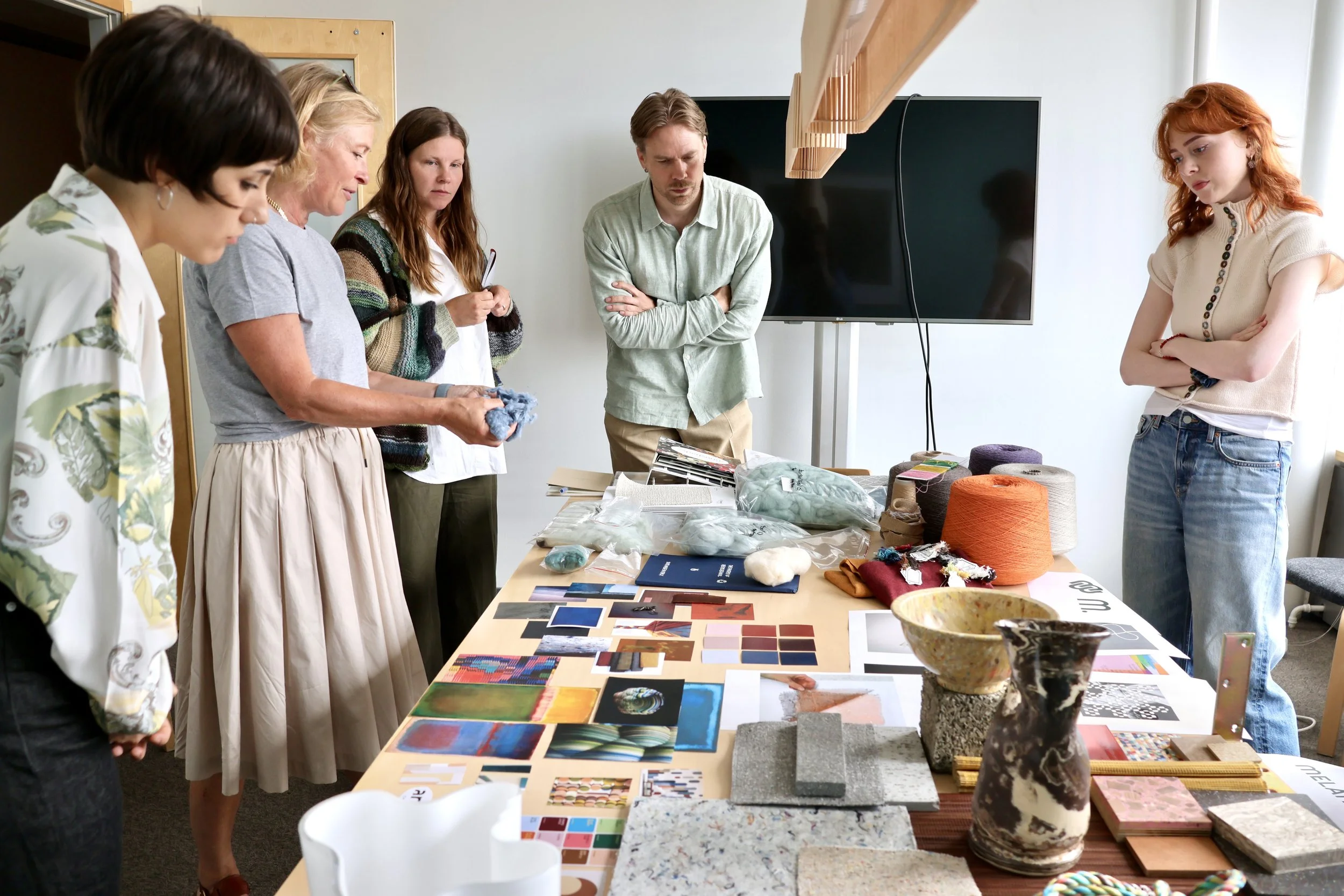
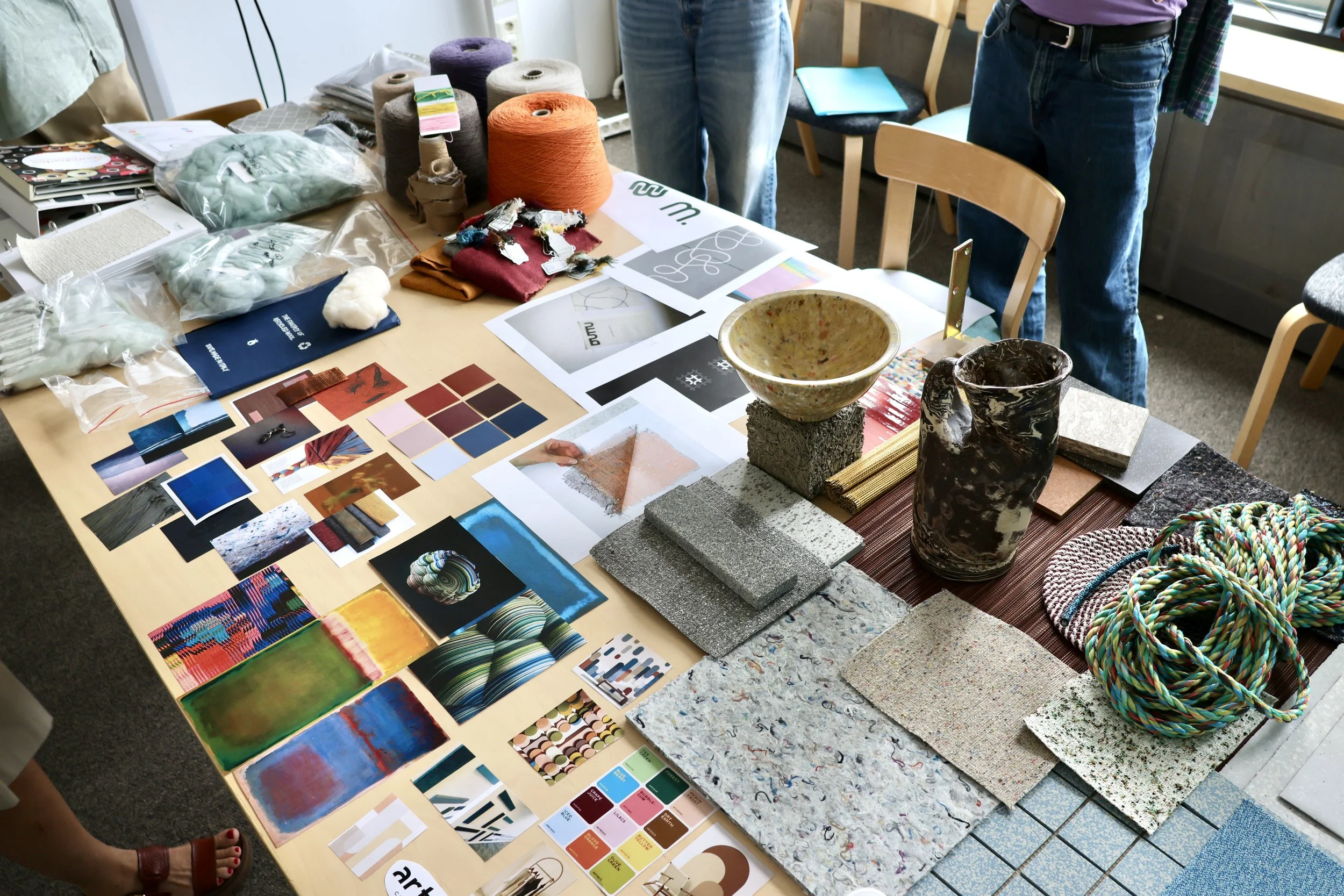
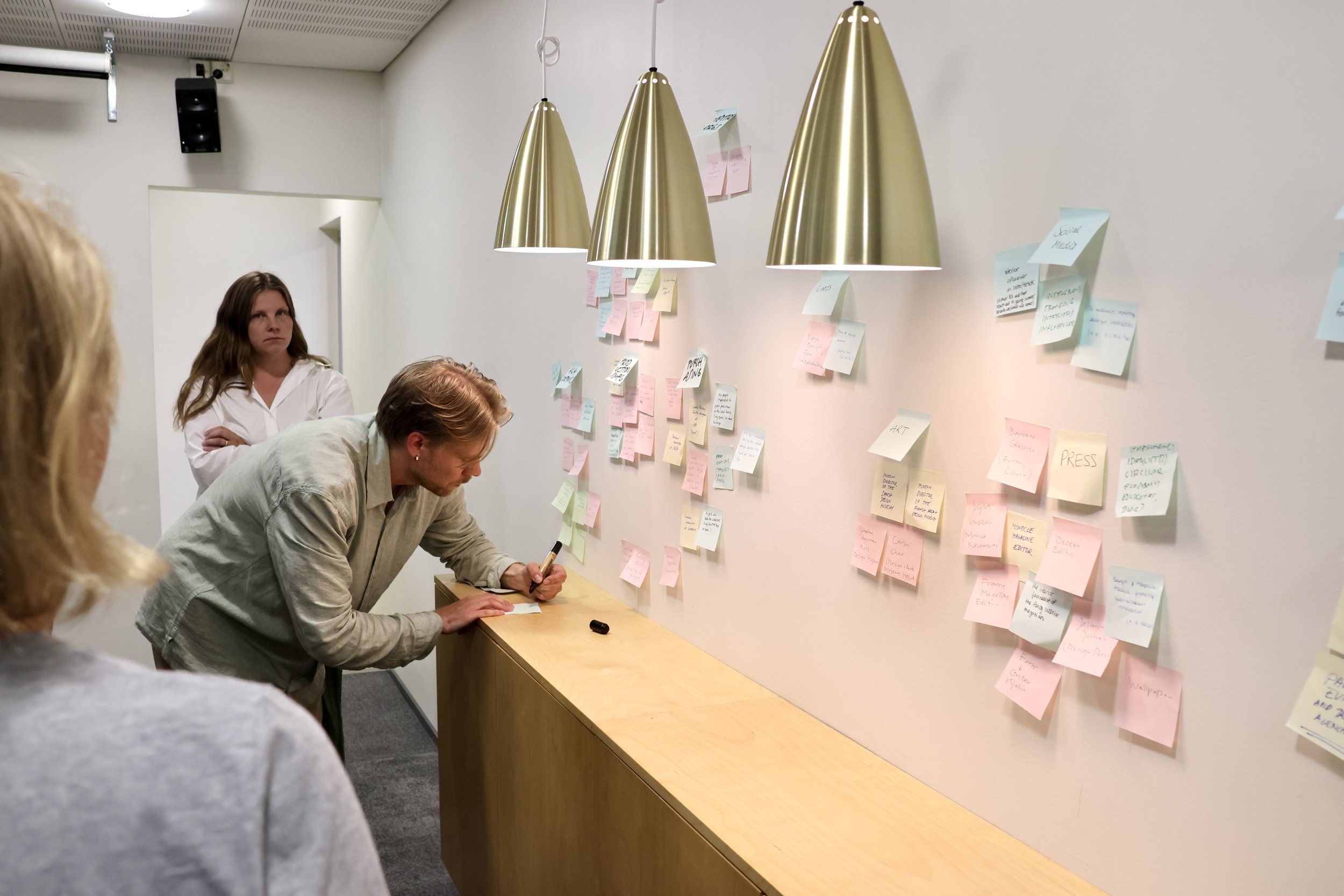
From 4 to 6 August 2026, Textile ETP, which leads the project's communications, dissemination and stakeholder engagement activities, joined the Aalto University team for a design workshop dedicated to co-creating the visual identity of MELANGE. Over three days, the teams worked together to explore how the project's core values (colour design, circularity and sustainable competitiveness) could be translated into a distinctive and coherent visual language.
The visual identity will be presented on 27 August, and will support consistent, engaging communications throughout the project's lifetime, carrying its story to industry and design stakeholders, policymakers and the wider public.