Textile ETP and partners launch MELANGE, a new EU project using design to transform colouration practices in the interior textile industry
Launched today, the new Horizon Europe project MELANGE will transform colouration practices in the European interior textile industry by moving colour design from the end to the beginning of the manufacturing process. As part of a consortium of 9 partners led by Aalto University (Finland), Textile ETP will run the dissemination and stakeholder engagement activities.
Fabric colouration is one of the most resource-intensive stages in textile production, and its impact cannot be solved by more sustainable raw materials or innovative technology alone. Conventionally, colour is applied at the end of the manufacturing process to achieve replicability and uniformity, at high cost in water, energy and chemicals. The current pursuit of near-unachievable uniformity in fibres, yarns and fabrics is a key challenge to circularity, wasting materials and resources through trial runs and discouraging the reuse of recycled and naturally variable materials.
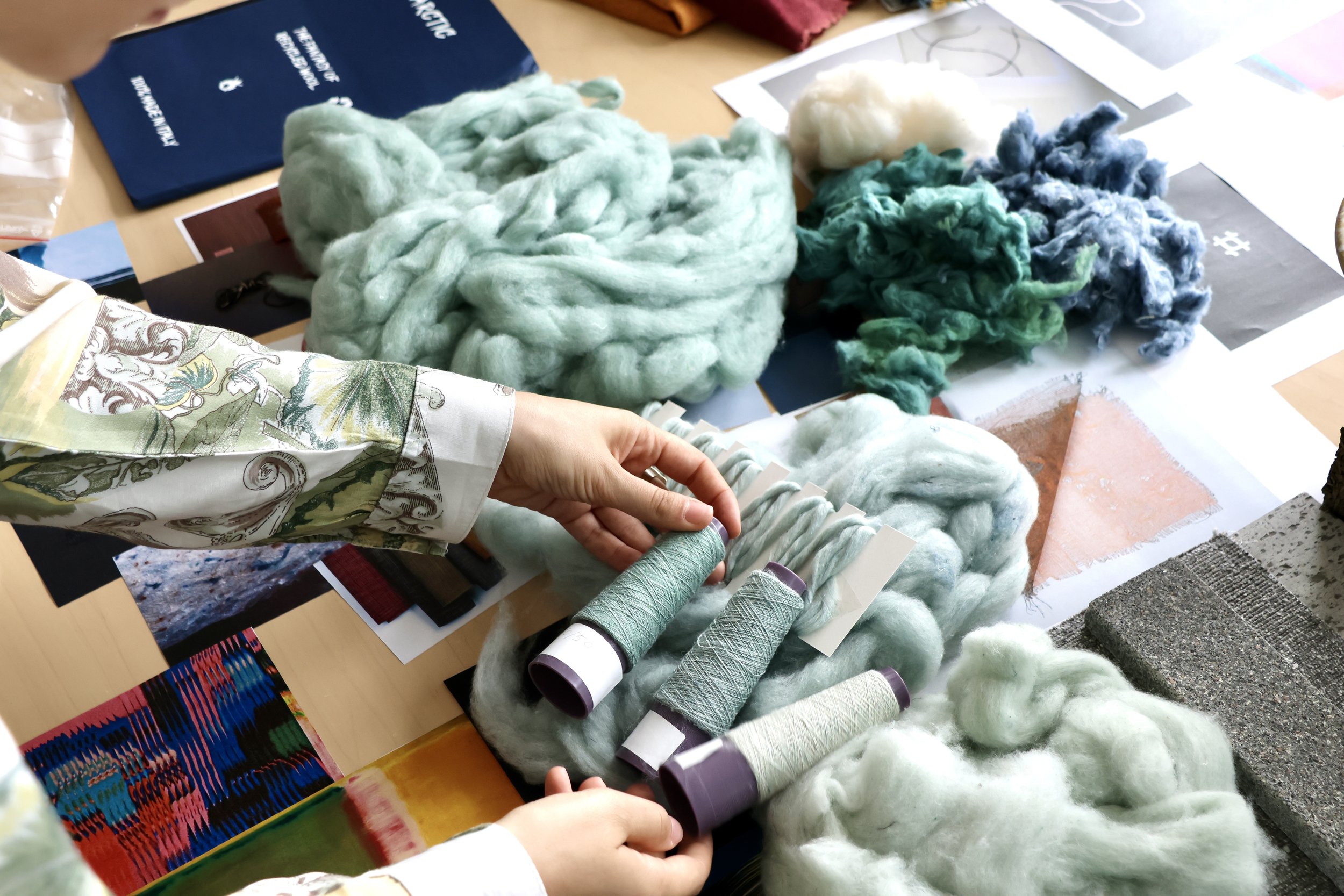
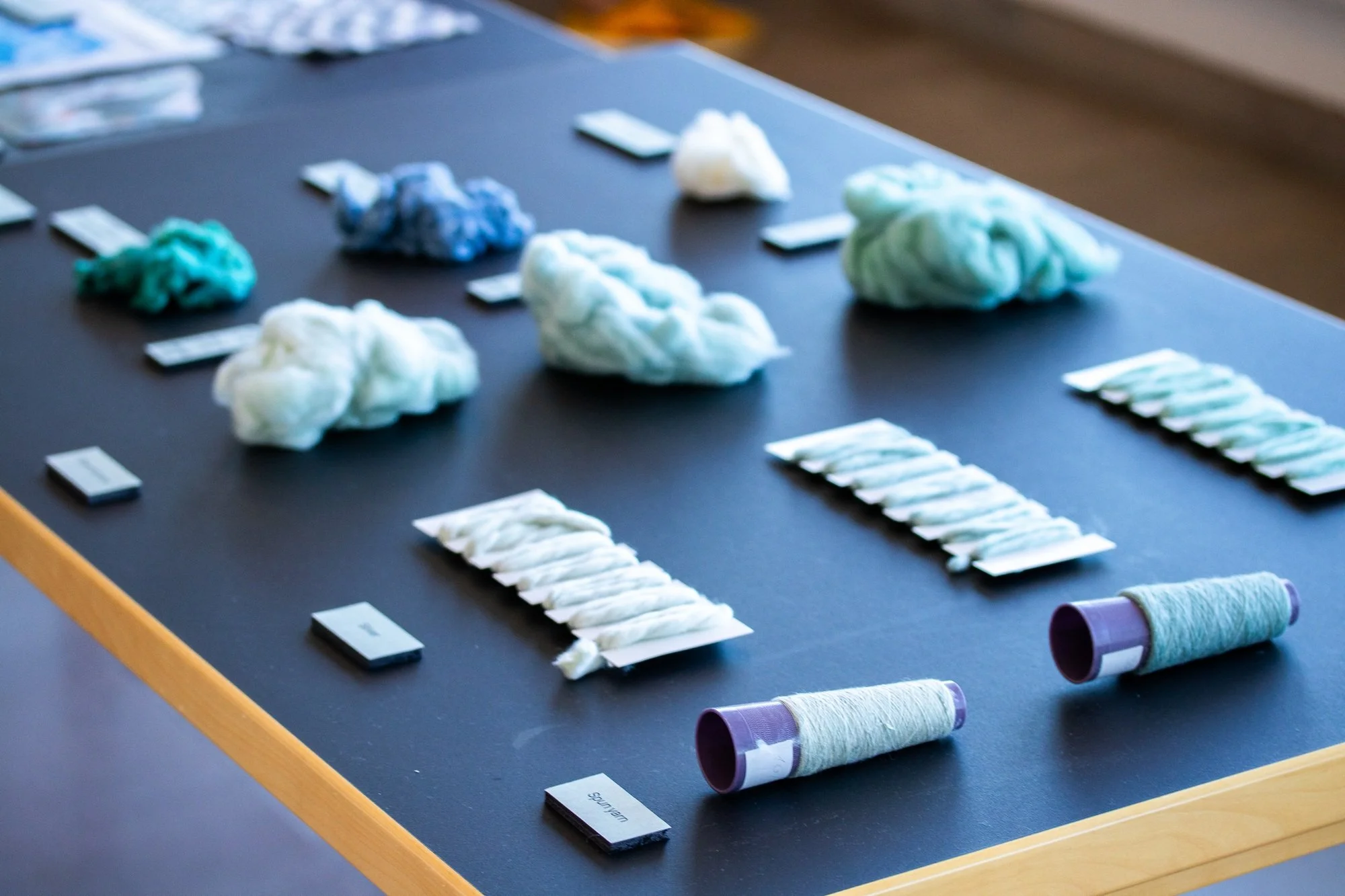
MELANGE responds by using design as a driver of sustainable competitiveness in the European interior textile industry. The project advances low-impact fibre-stage colouration technologies, such as spin, dope and solution dyeing, and treats colour variation as a signature of uniqueness rather than a defect. Its inspiration is a heritage practice from Prato, Tuscany, blending pre-coloured recycled fibres by shade, avoiding re-dyeing and treating variation as a valued aesthetic.
By shifting colouration upstream and making imperfection desirable, MELANGE aims to cut water and chemical use by up to 50% compared with conventional finishing-stage processes. The project focuses on interior textiles, which account for roughly one-third of global textile production and are often overlooked in sustainability discussions.
Changing how colour is made is not a single-discipline problem. Through its "design locks" framework, MELANGE addresses four barriers to change (aesthetics, production practices, business models and policy) through a cross-disciplinary, practice-led, fibres-to-fabrics innovation project:
Analysing dominant colouration practices and sustainable heritage fibre-stage techniques
Designing and prototyping textiles employing fibre-stage colouration
Testing new industrial practices from fibre to fabric
Transforming business models, aesthetics and B2B marketing approaches
Identifying and recommending industry standards and policies for change
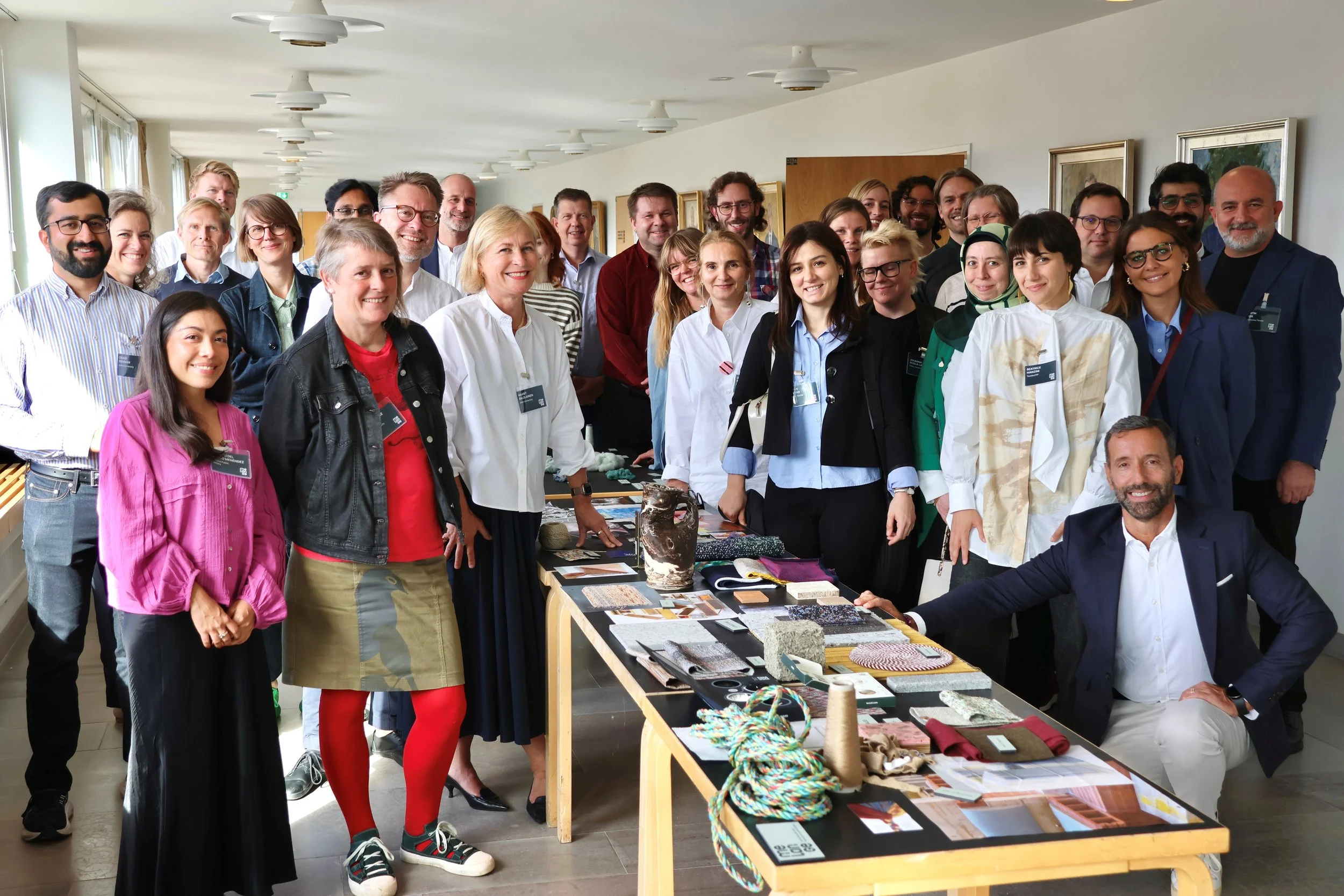
As part of a consortium of 9 partners from 7 European countries covering the whole interior textile value chain, Textile ETP leads the dissemination and communication activities for MELANGE, managing website, newsletter, and social media. Textile ETP will also ensure MELANGE is integrated into ECOSYSTEX, an initiative fostering collaboration among EU projects focused on textile circularity and building a lasting European Community of Practice for innovation in textile circularity and sustainability.
“ While everybody focusses on clothing and fashion, next gen fibres and recycling, MELANGE will tackle two stepchildren of the textile sustainability transformation: interior textiles and colour management. We will provide interior textile designers with tools and best practices to make colour a lever for sustainability and demonstrate through our industry partners that these new design practices can be effectively integrated and scaled in the world of business. ”
Lutz Walter, Secretary General of Textile ETP
More information on the MELANGE project on its website: www.melange-design.eu