New in our Innovation Hubs: Strategy Co-Creation
In 2026, our 3 Innovation Hubs introduce a new activity: strategic co-creation sessions designed to explore and identify opportunities, and translate them into future EU funding prospects. This activity is created specifically for Innovation Hub members and aims to support collaborative, forward-looking strategic development.
Central to this new activity are two co-creation workshops per Hub, planned for Spring 2026 (dates will vary depending on the Hubs), open to all respective subscribers. These sessions will bring members together in a highly collaborative environment to explore opportunities, challenges, and strategic pathways related to timely issues within the textile sector.
The outcome of this collaborative process will be strategic papers on:
SmartX Innovation Hub: European Innovation Strategy for Advanced Technical Textiles for the Protection, Defence and Aerospace Markets, with a first vision to be presented at Techtextil in April 2026, and a full report and dedicated event later in 2026.
DigitX Innovation Hub: Strategic Roadmap for the Digital Transformation of the European Textile and Apparel Industry, to be published in May 2026 and presented at the Textile ETP Annual Conference 2026 in the Netherlands.
Circular & Biobased Textiles Innovation Hub: Bioeconomy Innovation Strategy for the European Fibres, Textiles, and Apparel Industry, to be published in September 2026 and presented at the ECOSYSTEX Conference in Belgium.
These publications aim to reach the wider European textile research and innovation community and key European stakeholders.
Why now?
The launch of this new activity - at this particular moment and on these specific topics - is driven by many factors:
Geopolitical instability and hybrid threats are highlighting the importance of secure, reliable industrial supply chains.
Traditional technical textile markets most notably automotive are stagnating or declining, pushing companies to seek higher-value, more strategic applications.
At the same time, new European programmes and instruments in defence, security and aerospace are emerging, offering significant opportunities for innovation, scaling and deployment.
Digital technologies and data-driven business models are crucial both for sustainability and competitiveness of the EU textile and apparel industry, especially the many smaller companies in the industry must be enabled to adopt digital solutions quickly and cost-effectively.
The European industry must catch-up with digital innovators in the US and Asia if it wants to preserve global leadership positions from advanced textiles to fashion and luxury industries. European programmes like HORIZON, Digital Europe or ApplyAI will provide funding for disruptive digitalisation projects that the textile sector must make use of.
Circular & Biobased Textiles Innovation Hub:
The newly published EU Bioeconomy Strategy has created fresh momentum and renewed policy interest in bio-based innovation.
Through instruments such as the Ecodesign for Sustainable Products Regulation (ESPR), the EU is creating strong market pull for bio-based and low-carbon textile materials. In parallel, the EU Biotech Acts aim to streamline the authorisation processes for bio-manufacturing facilities, addressing the regulatory bottlenecks that have historically slowed the deployment of industrial biotechnology.
Although recent years have brought strong funding support for sustainable textiles, bio-based materials have not been equally prioritised, despite their significant untapped potential.
Objectives of the strategic co-creation process
Through this initiative, the Innovation Hubs aim to:
Identify and articulate key opportunities in these areas for the textile sector.
Raise visibility of these topics among EU stakeholders and the broader industry.
Support access to new funding streams by aligning the strategy with major programmes such as Horizon Europe and others (i.e the Circular Bio-based Joint Undertaking (CBE JU) for the Circular & Biobased Textiles Innovation Hub’s strategy)
Strengthen collaboration with related sectors
How to Join & Collaborate
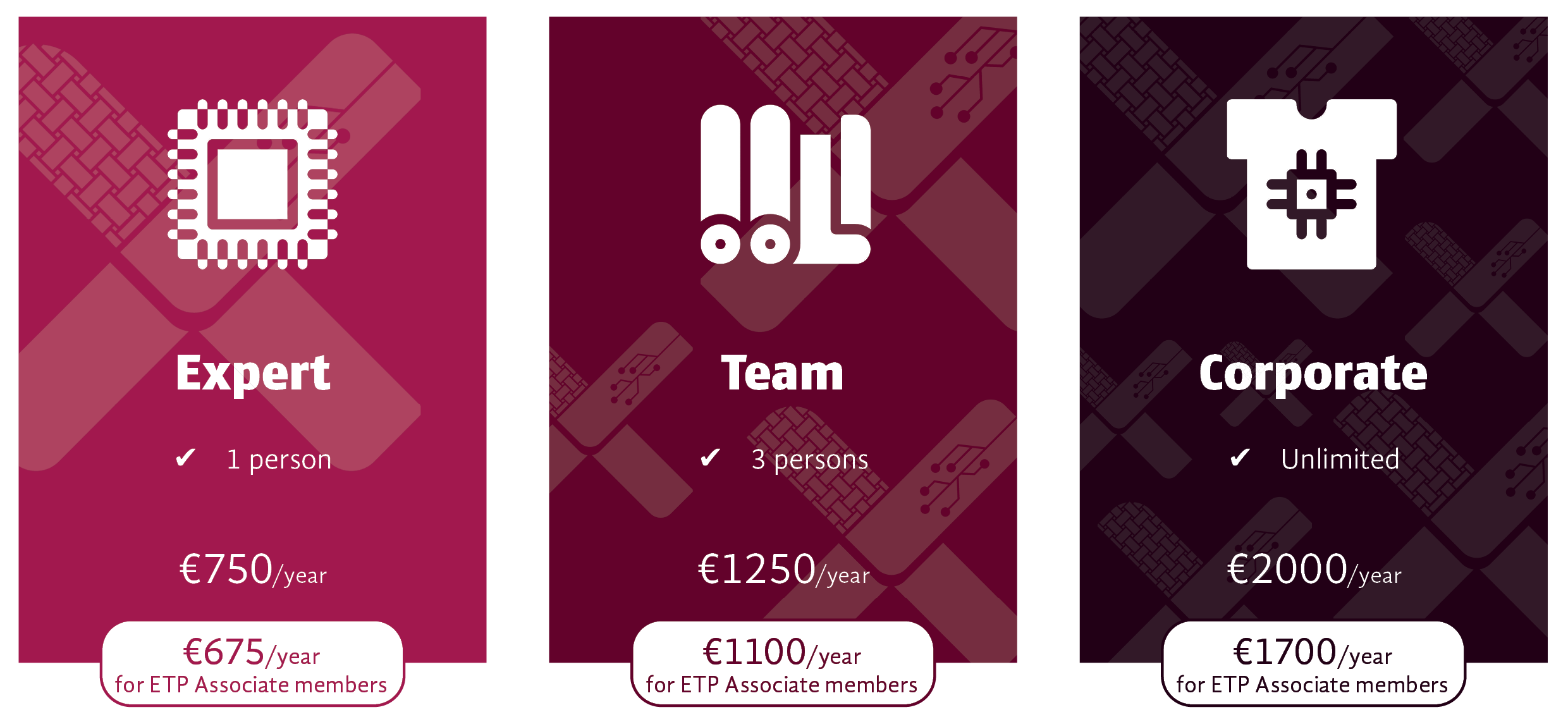
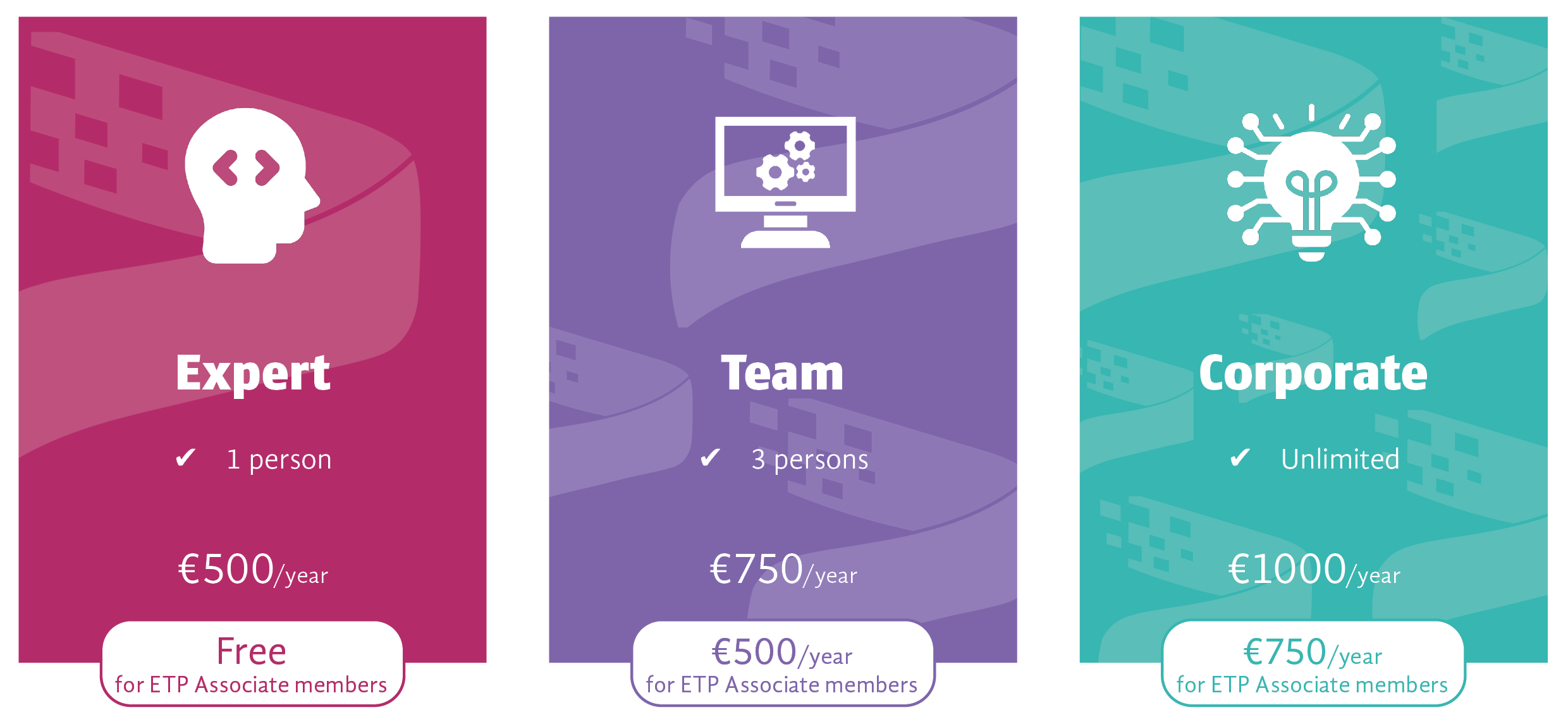
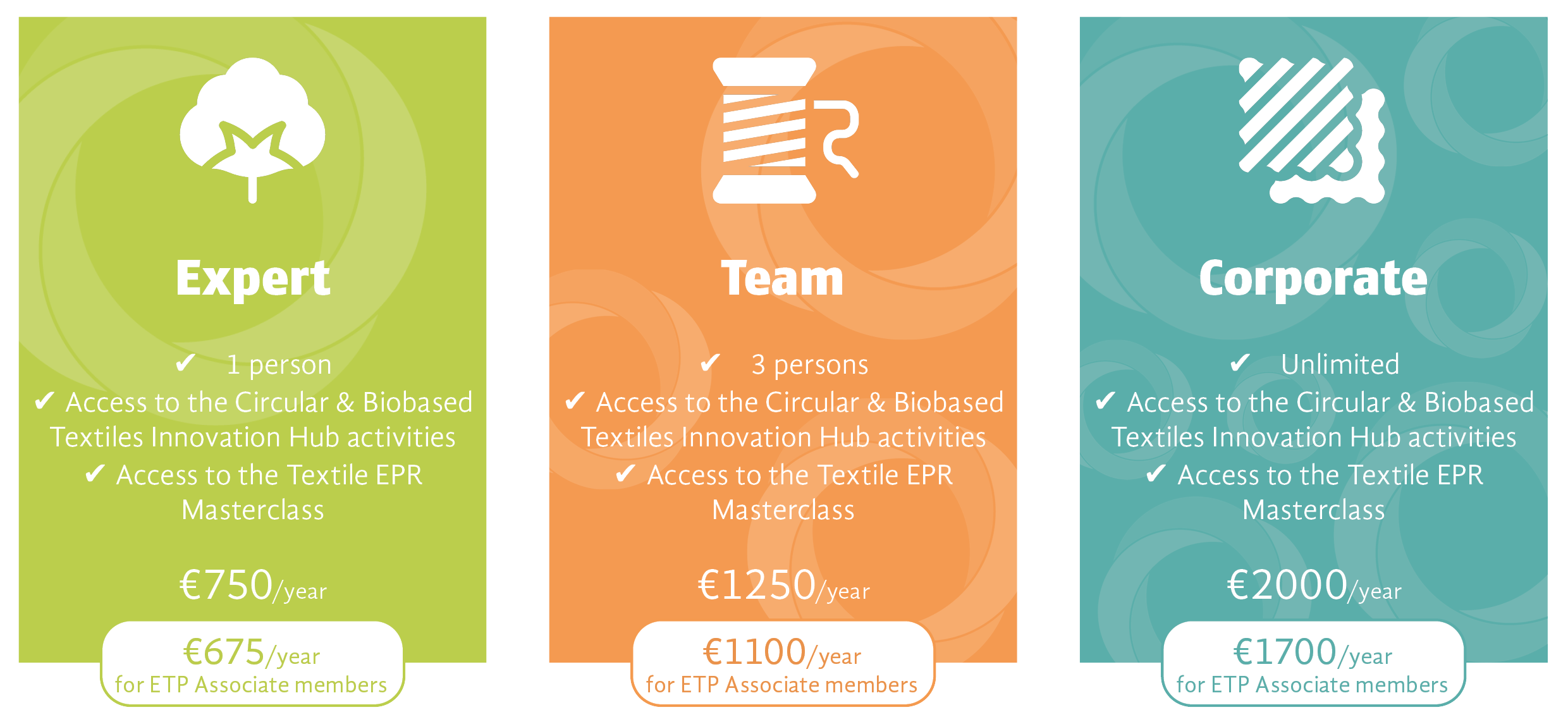
EU-based companies, technology and research organisations can directly sign up to one or several Innovation Hubs, where 3 annual subscription levels are offered, depending on number of company experts involved.