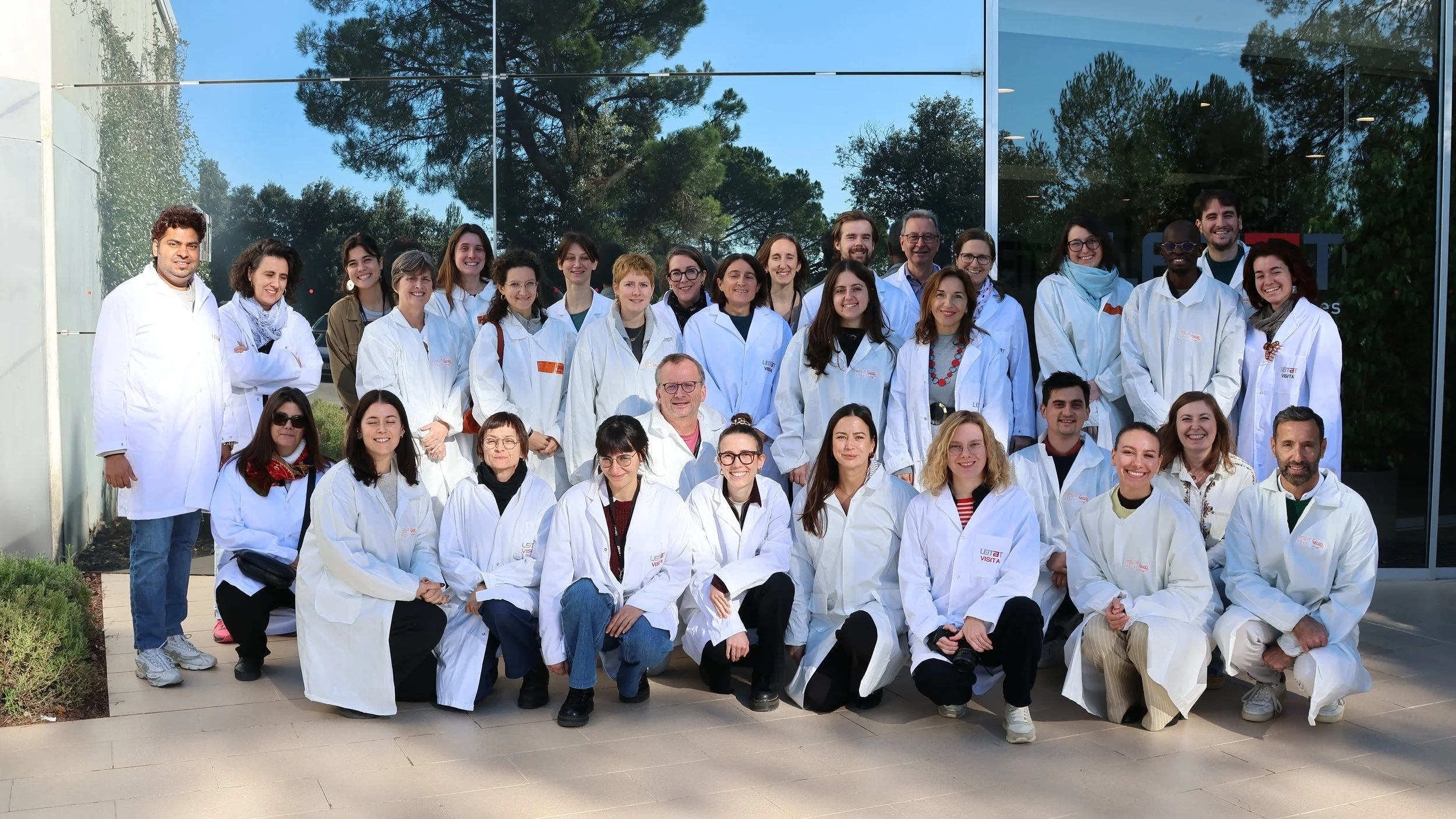
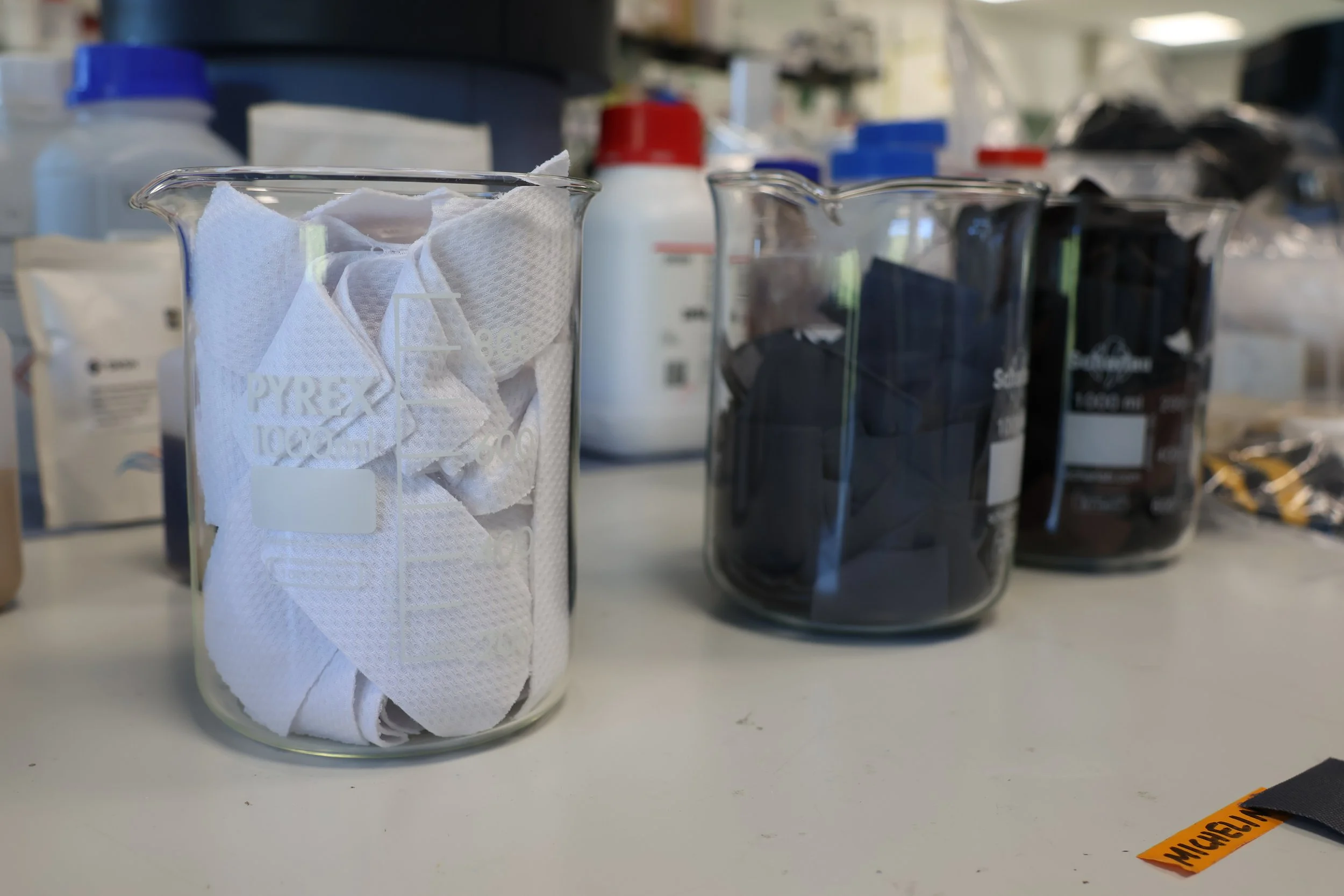
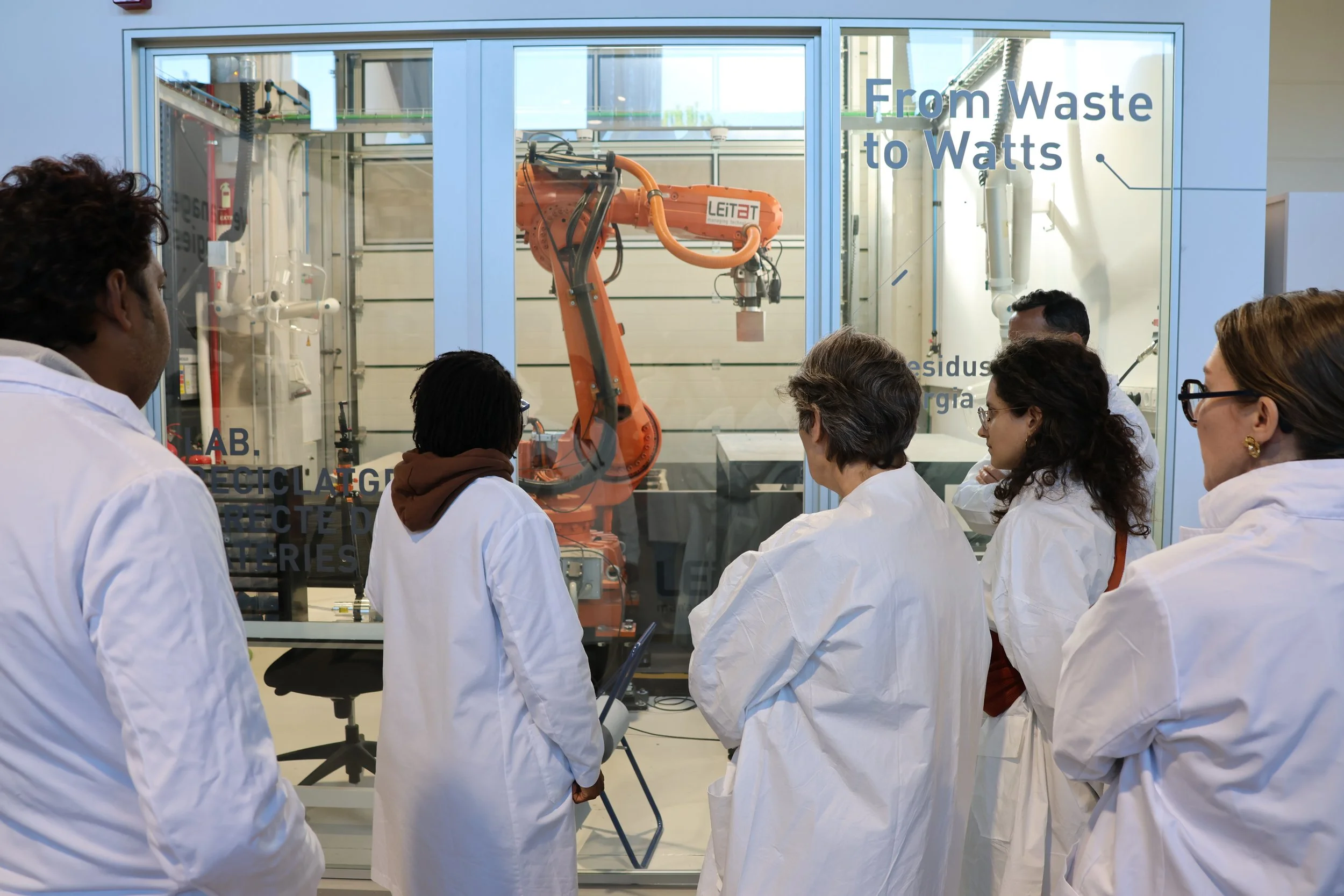
From 25 to 27 November, the SOLSTICE consortium met in Barcelona and Terrassa, Spain, not only for the 6th General Assembly of the project, hosted by our Spanish partners, but also for the third regional event.
Textile Circularity in Action: Building Reuse and Recycling Networks in Catalonia
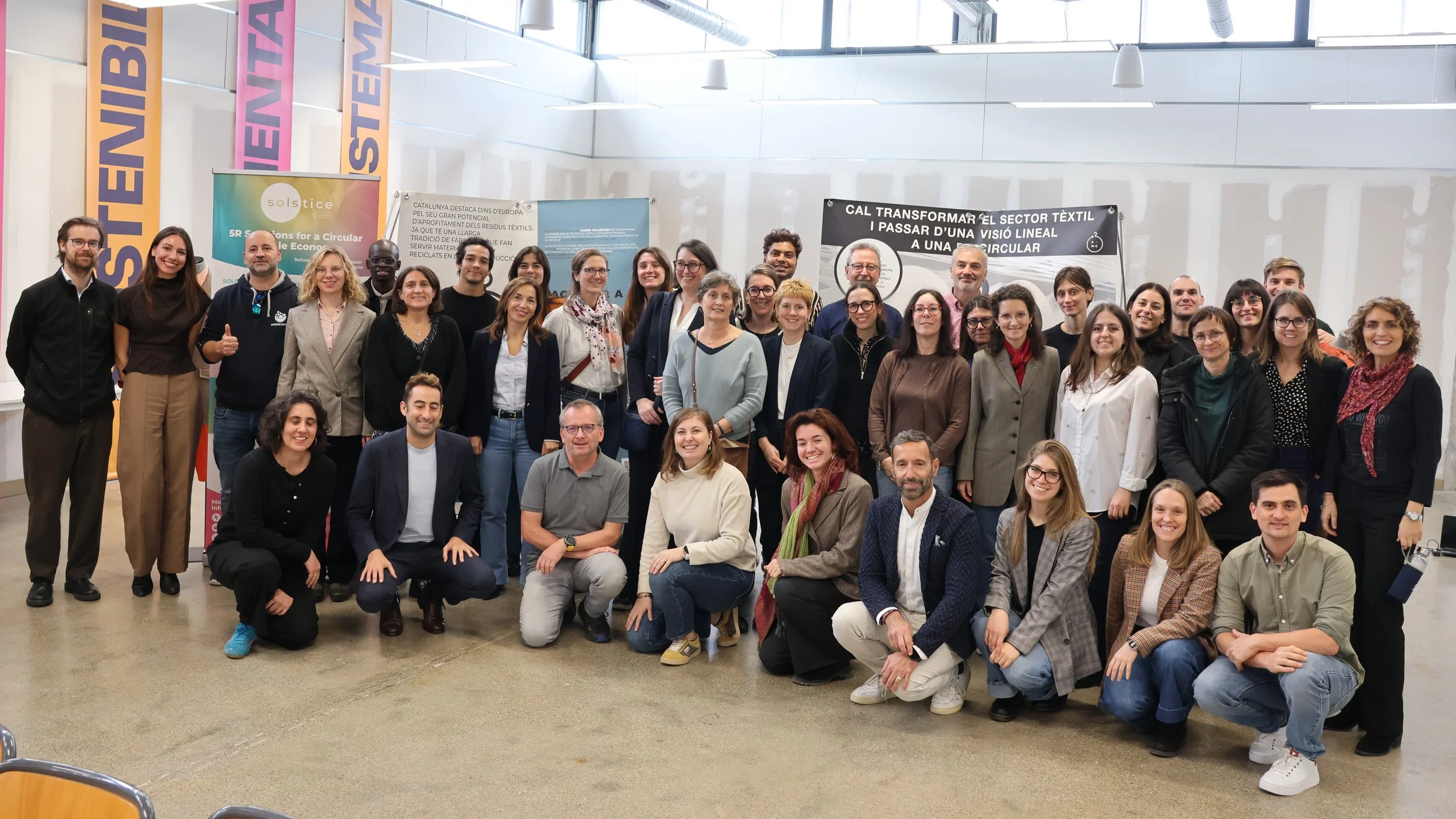
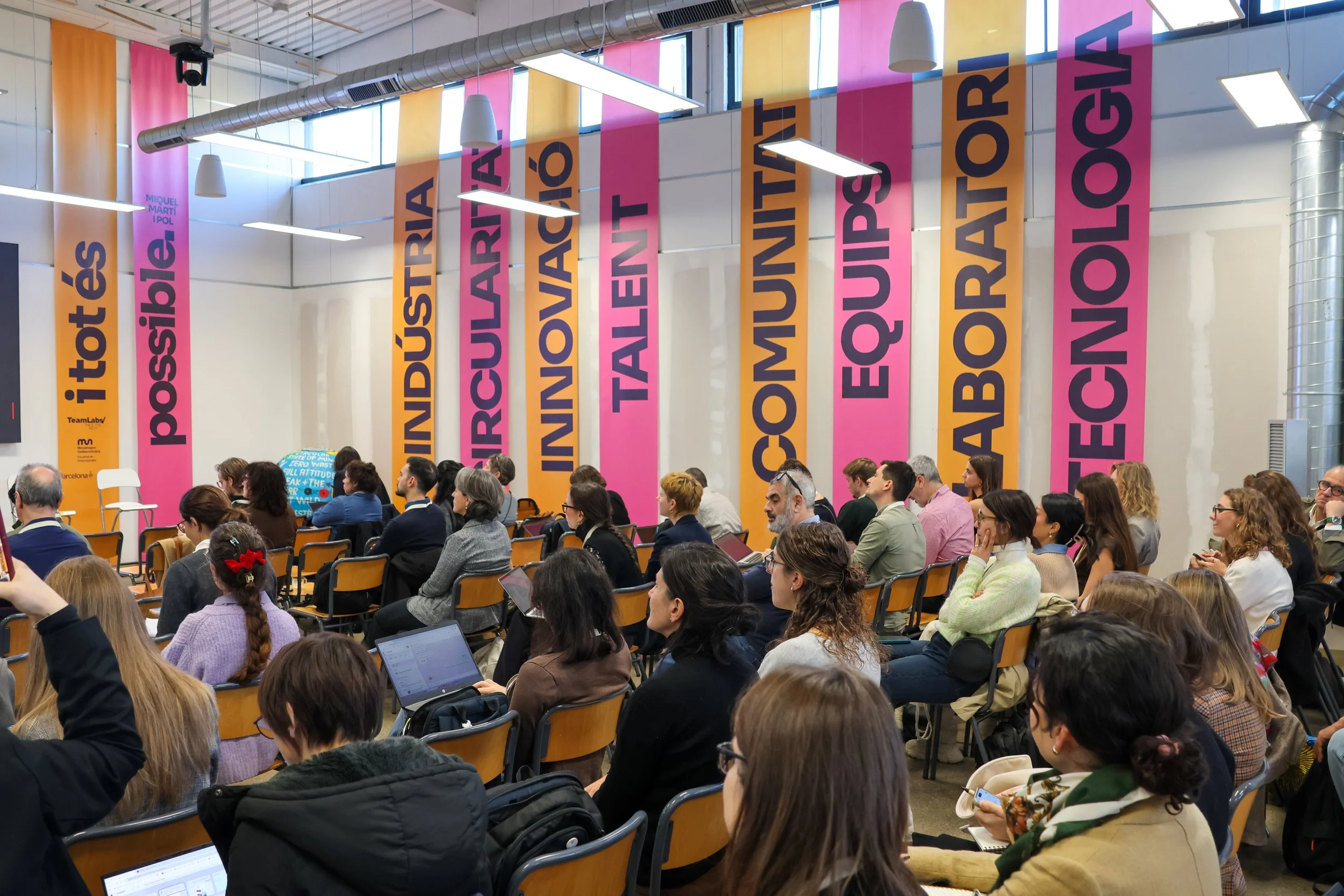
Organised by Textile ETP in collaboration with Leitat, the third regional event, titled "Textile Circularity in Action: Building Reuse and Recycling Networks in Catalonia", took place on 26 November at Barcelona Circular (BAC), the circular economy hub that is also home to TeamLabs. The morning brought together public authorities, social economy organisations, companies and researchers to look at how reuse, repair and recycling can work together at regional scale.
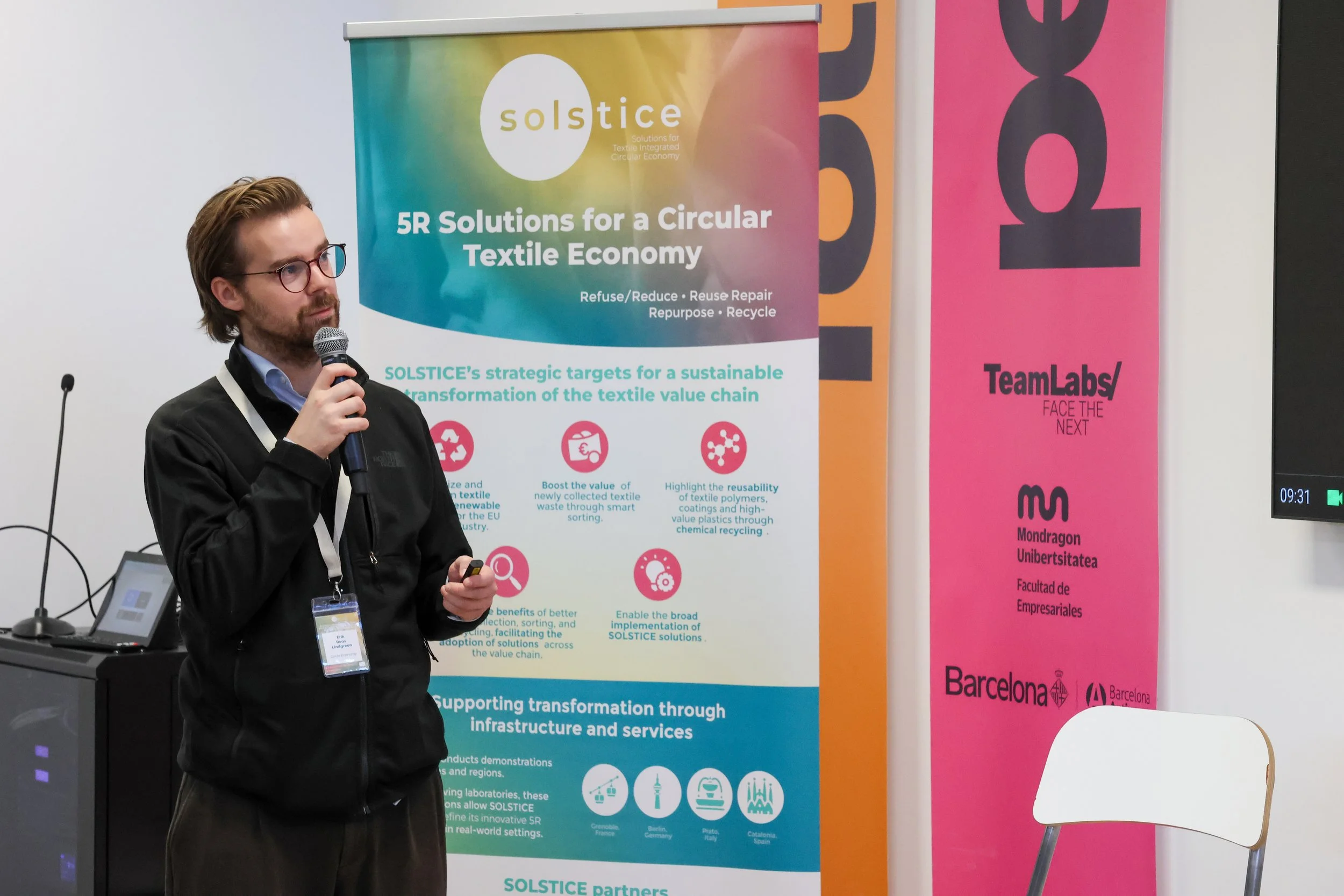
Estelle Dalod from Axel'One introduced the SOLSTICE project to participants: its 5R strategy, its objectives, and the four European cities and regions where it is testing circular textile solutions. Erik Roos Lindgreen from Circle Economy then presented key findings from the Catalonia territory profile. Residents buy around 21 kg of textiles per person each year and discard 19.4 kg, while only 13.2% of post-consumer textile waste is collected separately and 82.4% is landfilled or incinerated. The study also found that around 80% of the population can reach reuse, repair or recycling services within a 15-minute walk.
Maria Piferrer from TeamLabs presented "Vesteix Futur, dona més vida al tèxtil", the SOLSTICE pilot in Catalonia. Running from April 2026 to April 2027, the pilot is built around an innovation and entrepreneurship lab on textile reuse, where 18 participants work in three teams on education and skills, governance and data, and new economic models for reuse. Ina Keridou from Leitat closed the session with an introduction to textile chemical recycling, explaining how it complements reuse by giving a destination to textiles that can no longer be worn, and how SOLSTICE is developing solutions for polyester, polyamide, elastane and polyurethane.
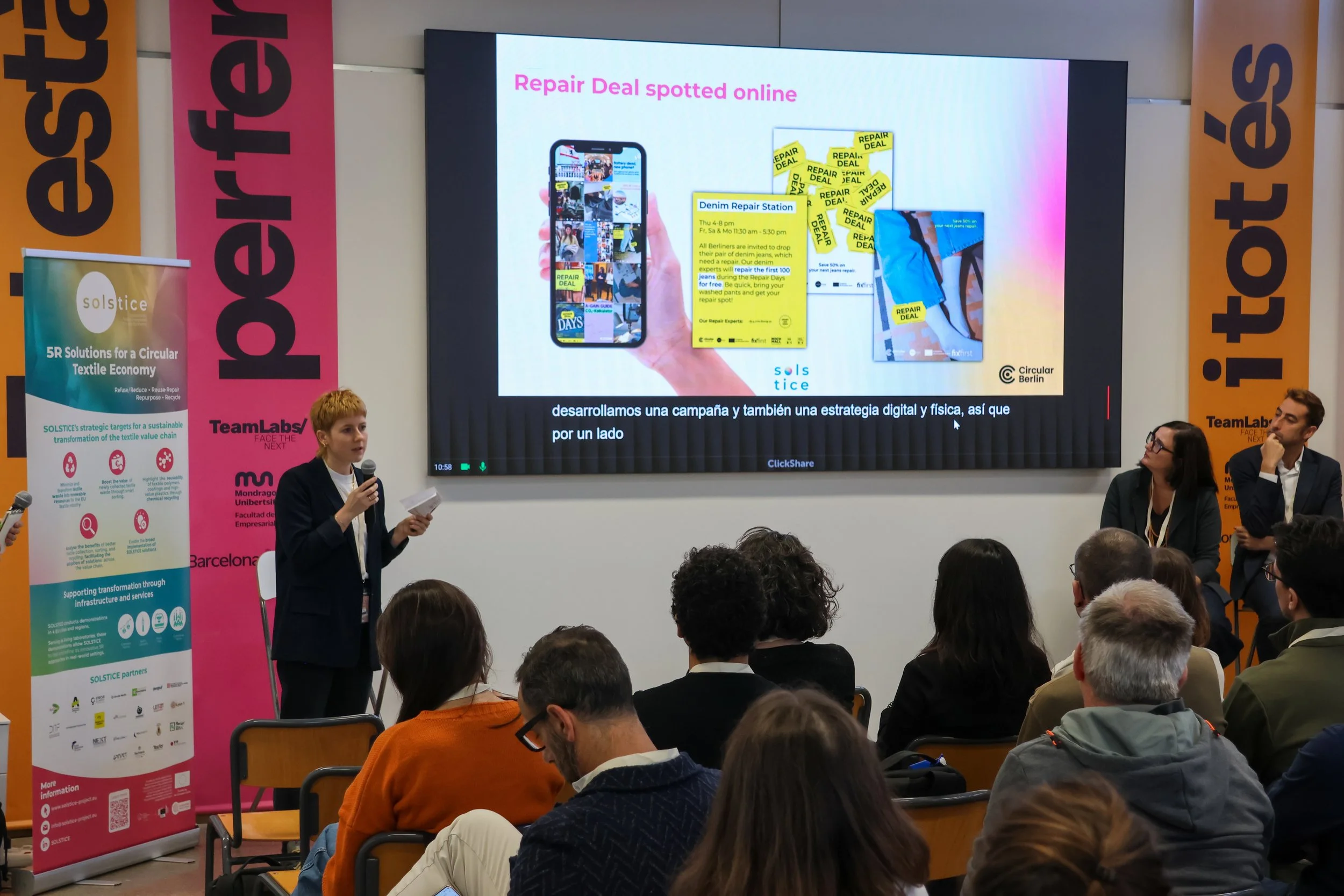
The event continued with case presentations and a panel discussion moderated by Marta Escamilla from Leitat. Ana Tarragona from the Agència de Residus de Catalunya presented 080 Reborn, the 080 Barcelona Fashion catwalk made entirely from second-hand clothing. Mireia Roura from ARECA shared lessons from a replicability study of three local reuse and repair initiatives, which laid the groundwork for the Catalan pilot. David Allo from TEXFOR presented Moda re-, the social economy initiative promoted by Cáritas, which collected 50.9 million kg of textiles and employed 1,634 people in 2025, including 932 in work integration jobs. Sarah Keller from Circular Berlin shared the results of Berlin's Repair Deal, with 1,086 voucher applications, 553 jeans repaired and 3.52 tonnes of CO2e avoided, while Marta Anzilotti from the Municipality of Prato showed how the greenApes app and a schools contest are engaging citizens and families in circular fashion. The discussion returned to one point: good initiatives exist, but reuse at scale needs an ecosystem that connects them, funds them and helps them grow.
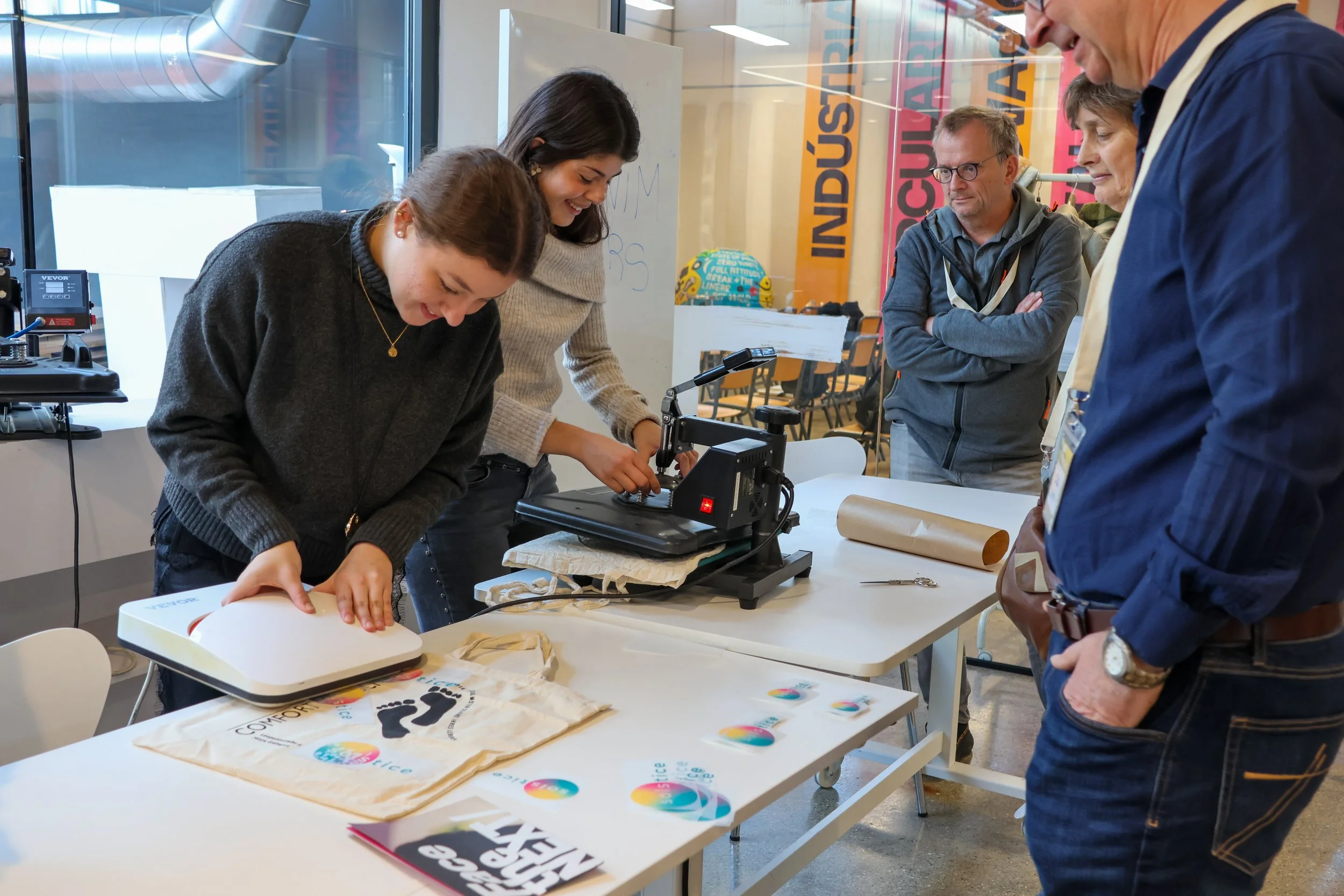
The event ended with a textile printing workshop on upcycling and a visit of the Barcelona Circular building.
The event attracted 71 participants from industry, social economy organisations, research, in person and online.
Photos from the event are available here.
SOLSTICE General Assembly
During the General Assembly, partners shared progress on their work packages, discussed current challenges, and outlined the next steps. Here are some highlights:
Updates on chemical recycling for all 4 polymers (PET, aramid, elastane and polyurethane) from Recyc'Elit, IFTH, DITF, Fuchshuber, NTT, SPINPET, DENGE, Leitat, Cromogenia and INDRESMAT.
UCBL's Mineral Textile Profiles, a new way to trace the composition and origin of textiles.
Progress on the environmental and social impact assessment of the pilots and recycling processes, and on TECHTERA's Valoramix tool.
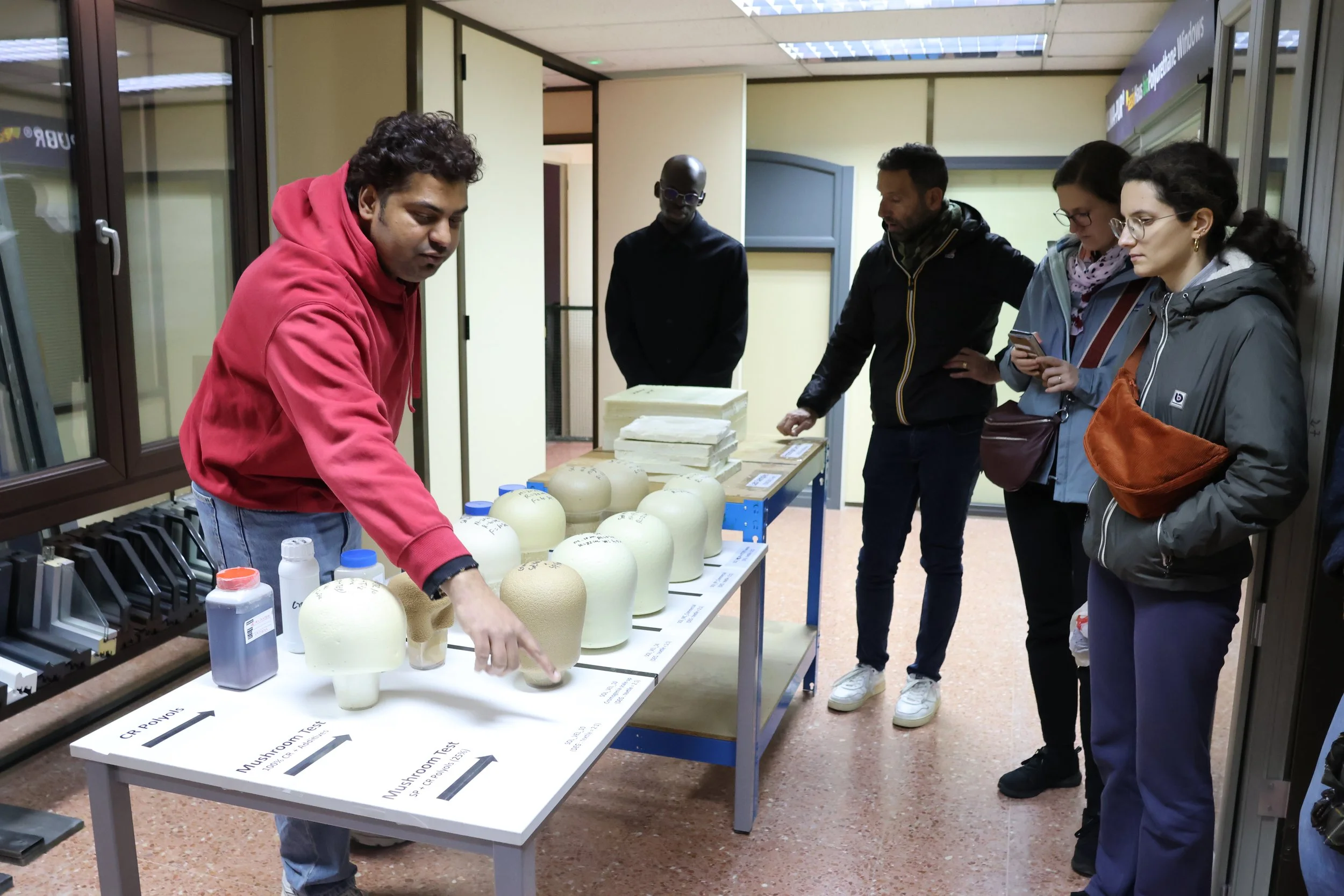
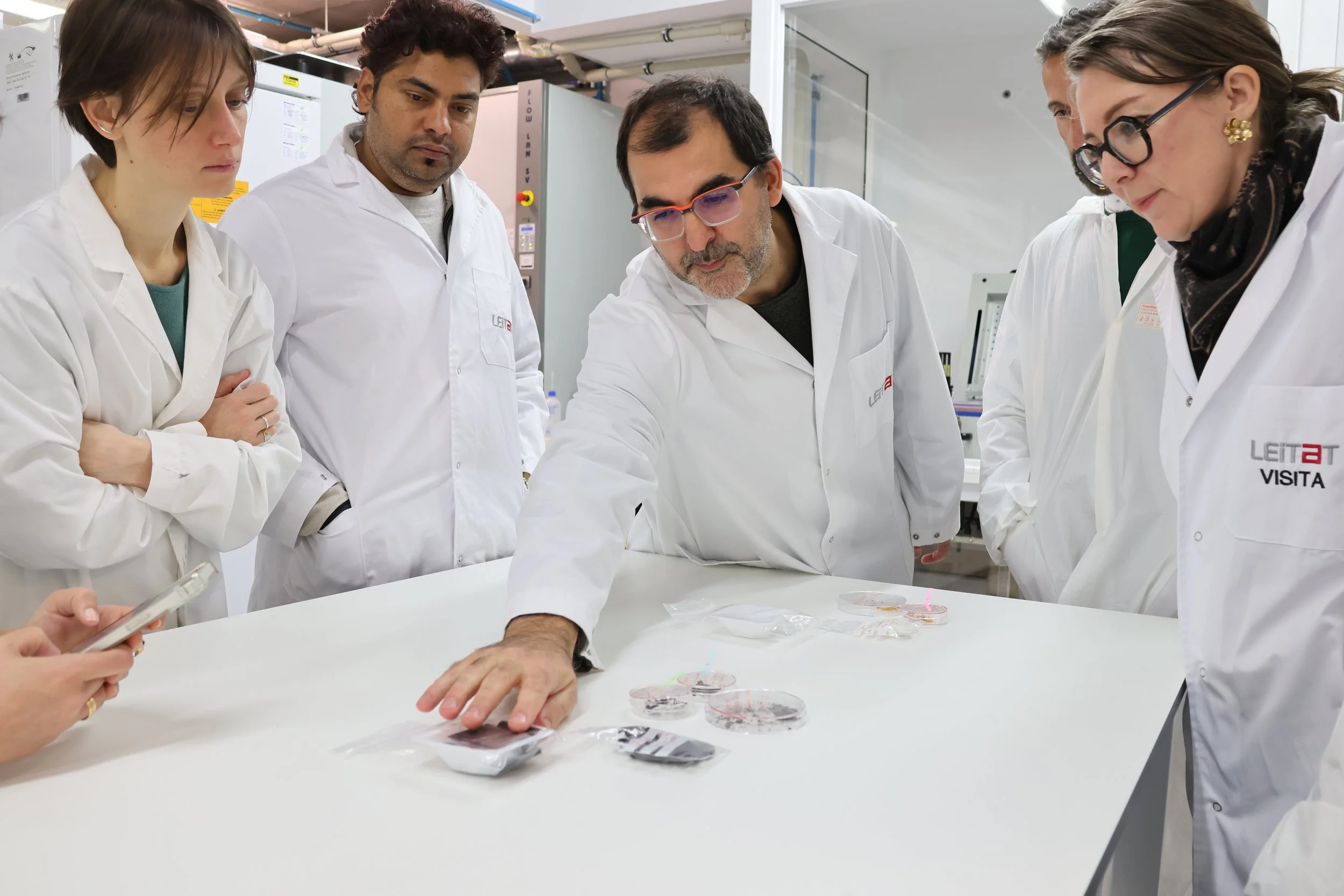
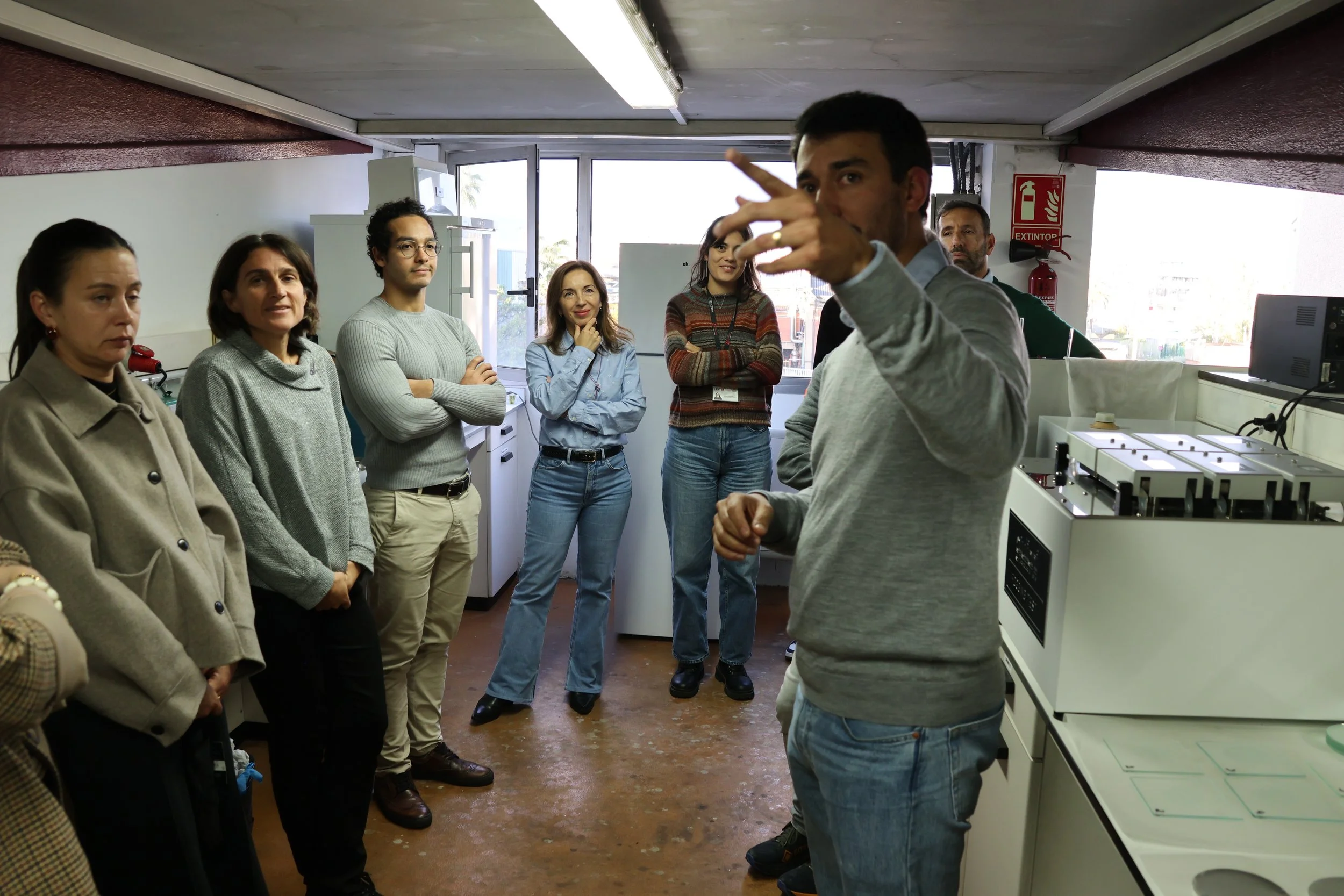
Alongside the meeting, partners had the chance to see their work first-hand. Site visits to Cromogenia's leather tanning pilot plant, INDRESMAT, and Leitat Technological Center's facilities in Terrassa.
The consortium also held a working session on scientific publications, following the first peer-reviewed paper from SPINPET and NTT.
As manager of SOLSTICE's communications, dissemination and ECOSYSTEX-related activities, Textile ETP presented the latest communication results.
We thank Leitat for organising the meeting, and our Spanish partners Cromogenia, INDRESMAT, TEXFOR and the Departament de Territori, Habitatge i Transició Ecològica for welcoming us in Catalonia!
For more information and updates on the SOLSTICE project, please visit www.solstice-project.eu