
Textile ETP Annual Conference 2026: digital transformation, data-driven futures, and the road to compliance
The 20th edition of the Textile ETP Annual Conference took place in Amsterdam, Netherlands, welcoming over 150 professionals from the entire textile value chain. Against a backdrop of accelerating digitalisation, evolving European policy, and mounting pressure to demonstrate environmental progress, the conference offered a platform for strategic reflection, open dialogue, and collaboration. Co-organised with Amsterdam University of Applied Sciences (AUAS), Amsterdam Fashion Institute (AMFI), and Modint, the conference reaffirmed the sector's need to embrace digital tools and data-driven approaches as levers for competitiveness and sustainability.
A warm welcome to Amsterdam on 26 May
The conference opening on 26 May began with welcoming remarks from representatives of Textile ETP and Amsterdam University of Applied Sciences.
"The digital transformation of the European textile and apparel industry must tackle what technology levers we can pull and what role each stakeholder must play, there is a true opportunity to revive this traditional manufacturing sector. Let's grasp it."
Marina Crnoja-Cosic, President, Textile ETP
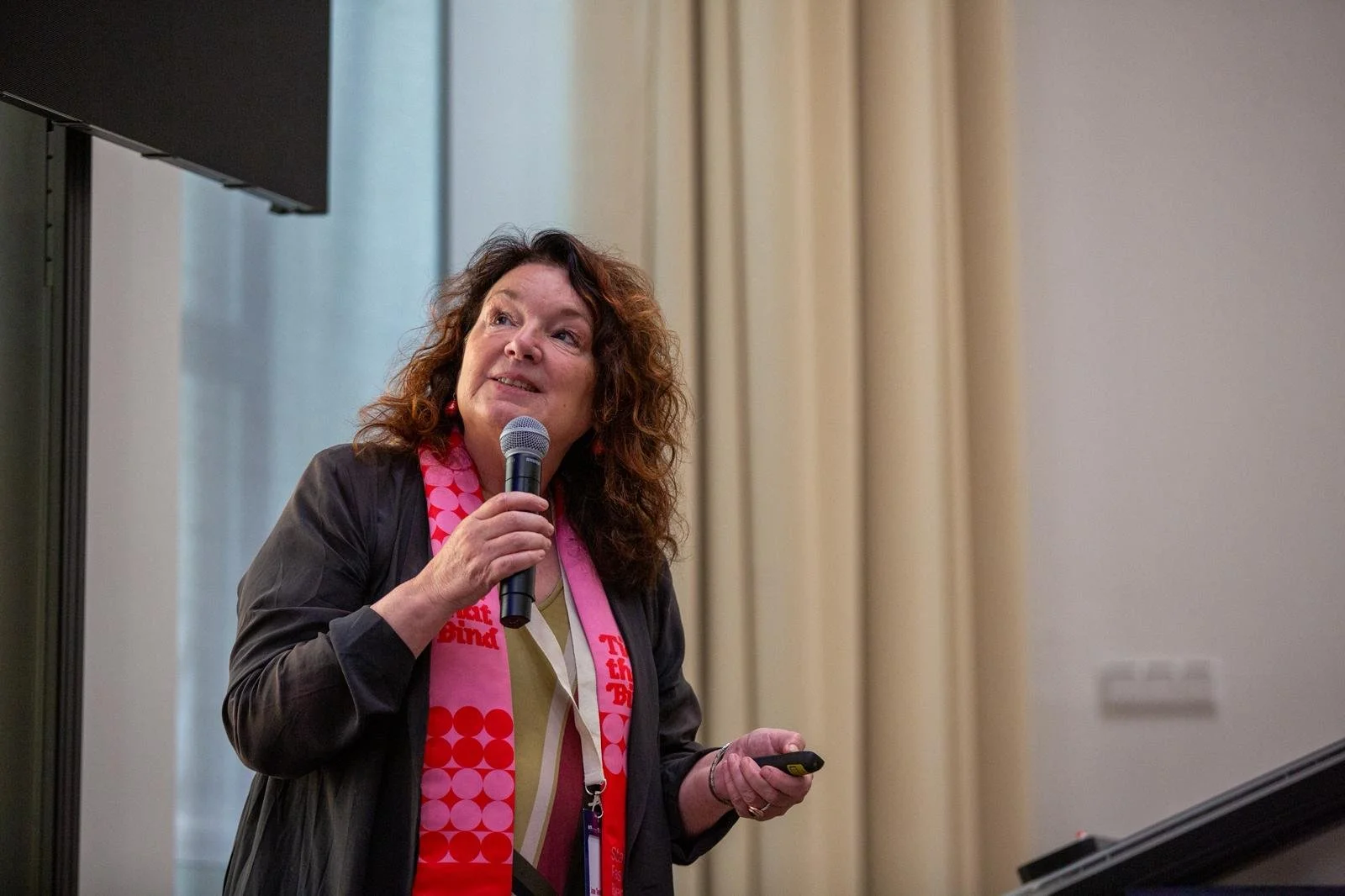
Next on stage were Prof. José Teunissen, Dean a.i. of the Faculty of Digital Media and Creative Industries at AUAS and Director of the Amsterdam Fashion Institute, and Prof. dr. ir. Troy Nachtigall, Chair of Fashion Research and Technology. Together, they reflected on the University's shared responsibility in building the right skills for the fashion industry of tomorrow, and introduced the different courses and research programmes through which AUAS is preparing the next generation of fashion and textile professionals.
The digital future of the European textile and apparel industry
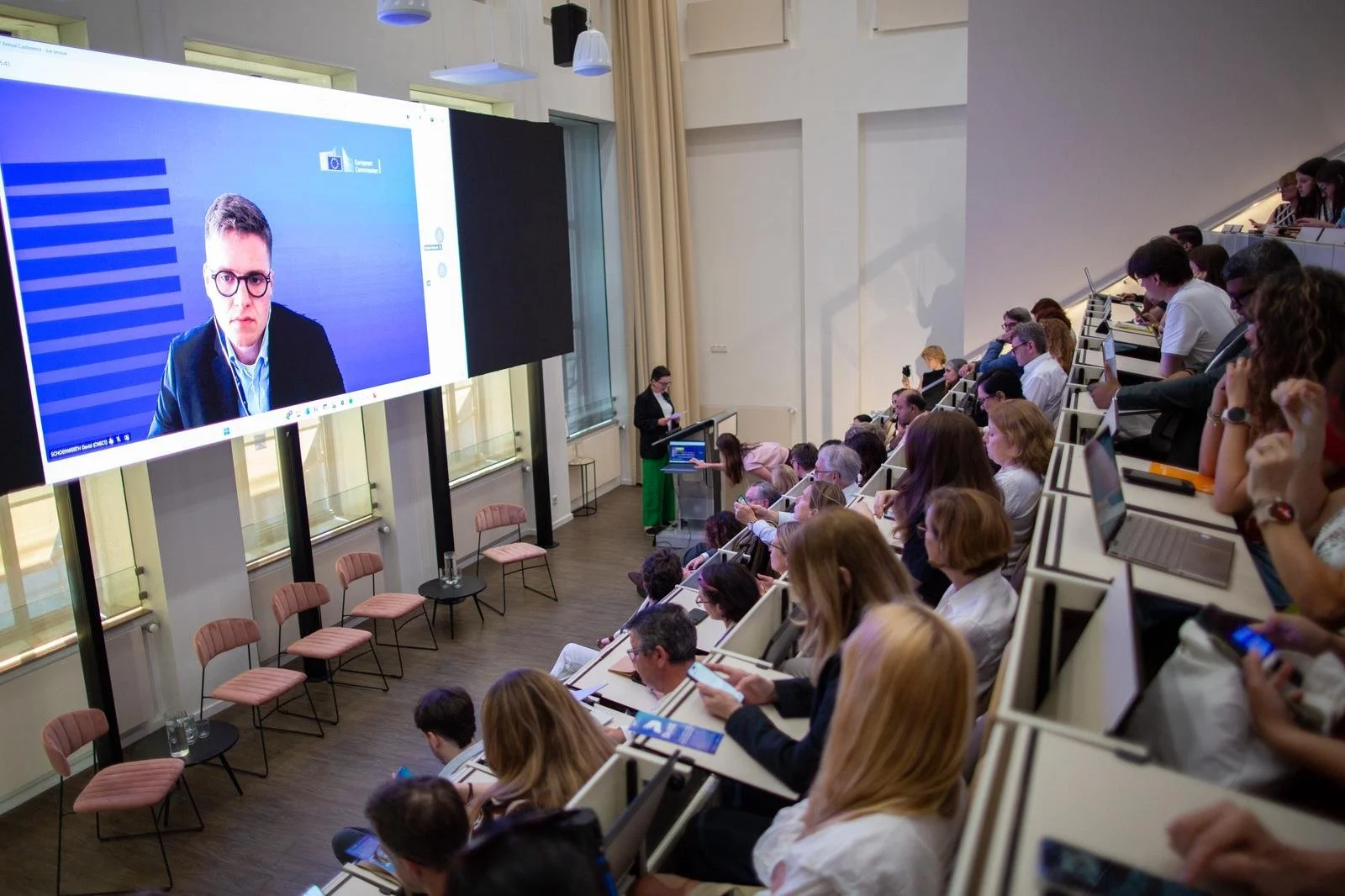
The first session of the day opened with two presentations framing the macro context for the conference. David Schoenwerth, Policy Officer in the Data Policy and Innovation Unit at the European Commission's DG CONNECT, joined online to speak on the importance of the EU Data Union Strategy, the funding plans for common European data spaces, and the AI Continent Action Plan and their implications for how textile companies capture, share, and govern product data.
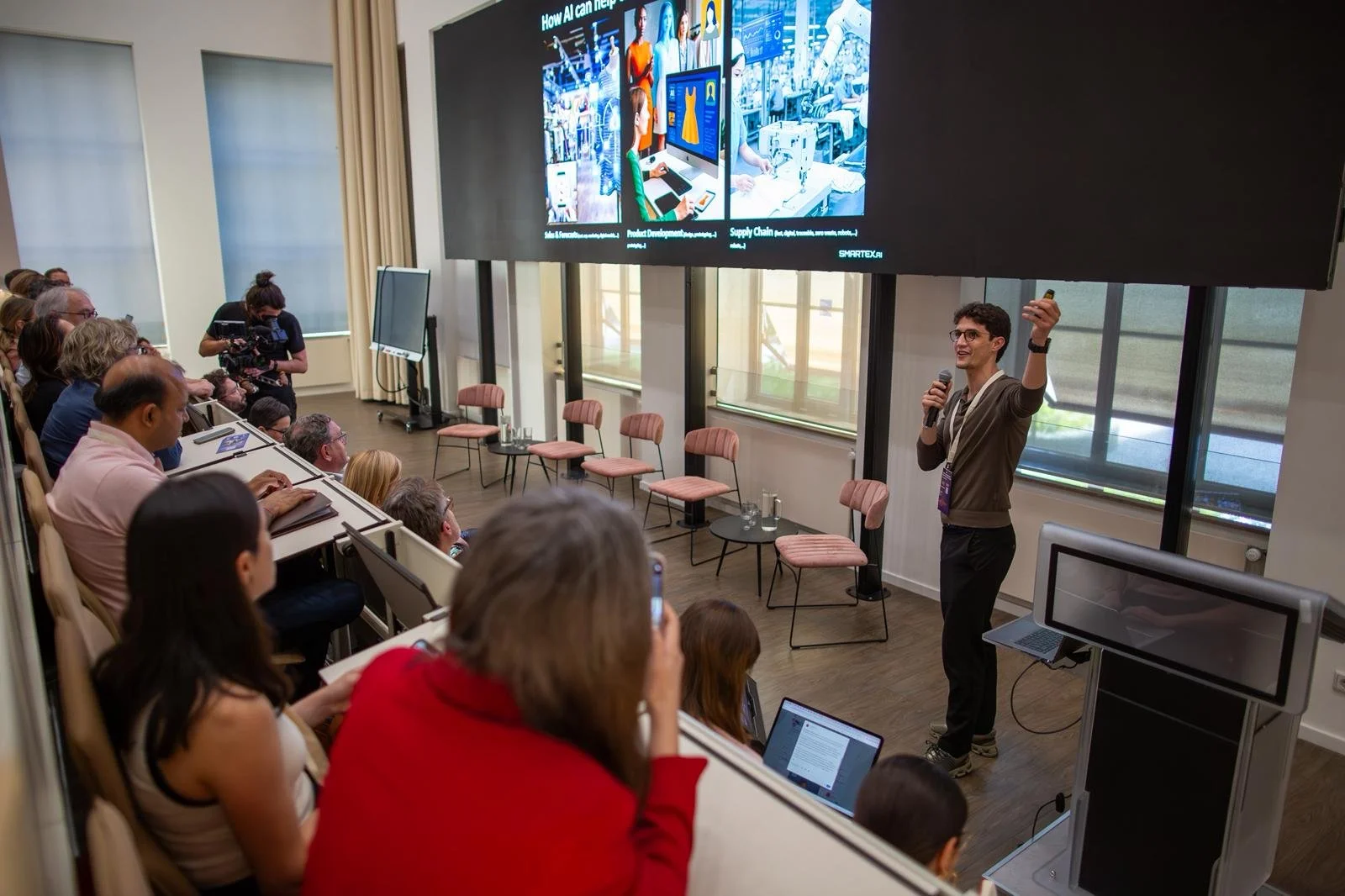
He was followed by Gilberto Loureiro of SmartexAI, who brought a factory-floor perspective on AI for textile factories and fashion brands. His presentation, "AI for textiles factories and fashion brand", addressed how AI can help the fashion industry achieve real-time visibility into production and quality. He also introduced the LOOP Passport, SmartexAI's approach to connecting product-level data across the value chain.
Closing this opening session, Lutz Walter, Secretary General of Textile ETP, launched the DigitX Innovation Hub Strategy Roadmap for the Digital Transformation of the European Textile and Apparel Industry. Co-created with the members of the DigitX Innovation Hub, the Roadmap sets out a vision for 2035: a digitally integrated, transparent, and responsive European textile value network, built on four enabling pillars, Artificial Intelligence, Digital Twins, Automation and Robotics, and Digital Product Passports. The document maps out priority areas for collective action, collaborative mechanisms across the value chain, and the strategic opportunities available to companies willing to lead rather than follow the transition.
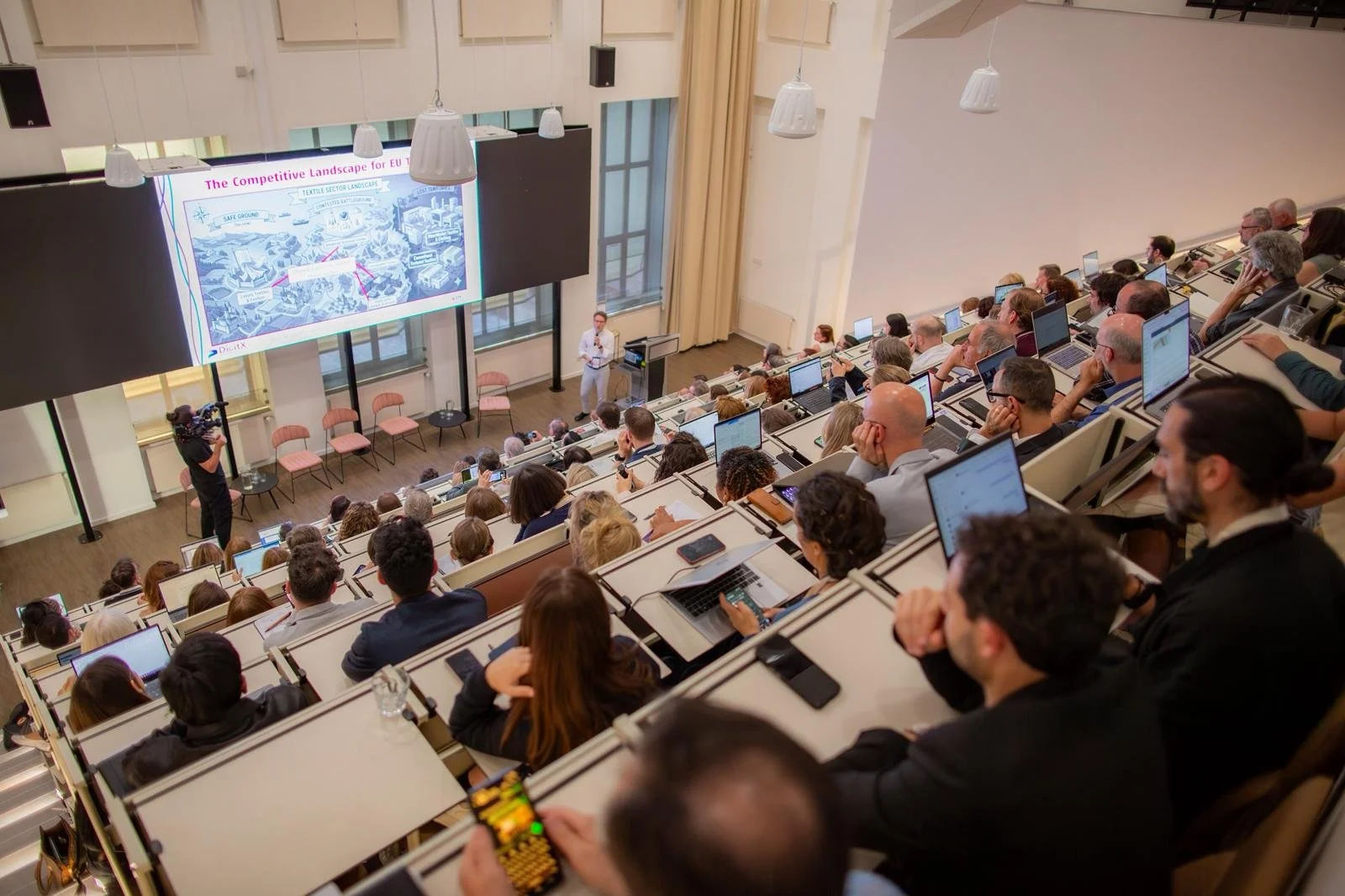
From design to data: afternoon breakout sessions
In the afternoon, participants chose between three parallel breakout sessions, each exploring a distinct dimension of digital transformation in textiles:
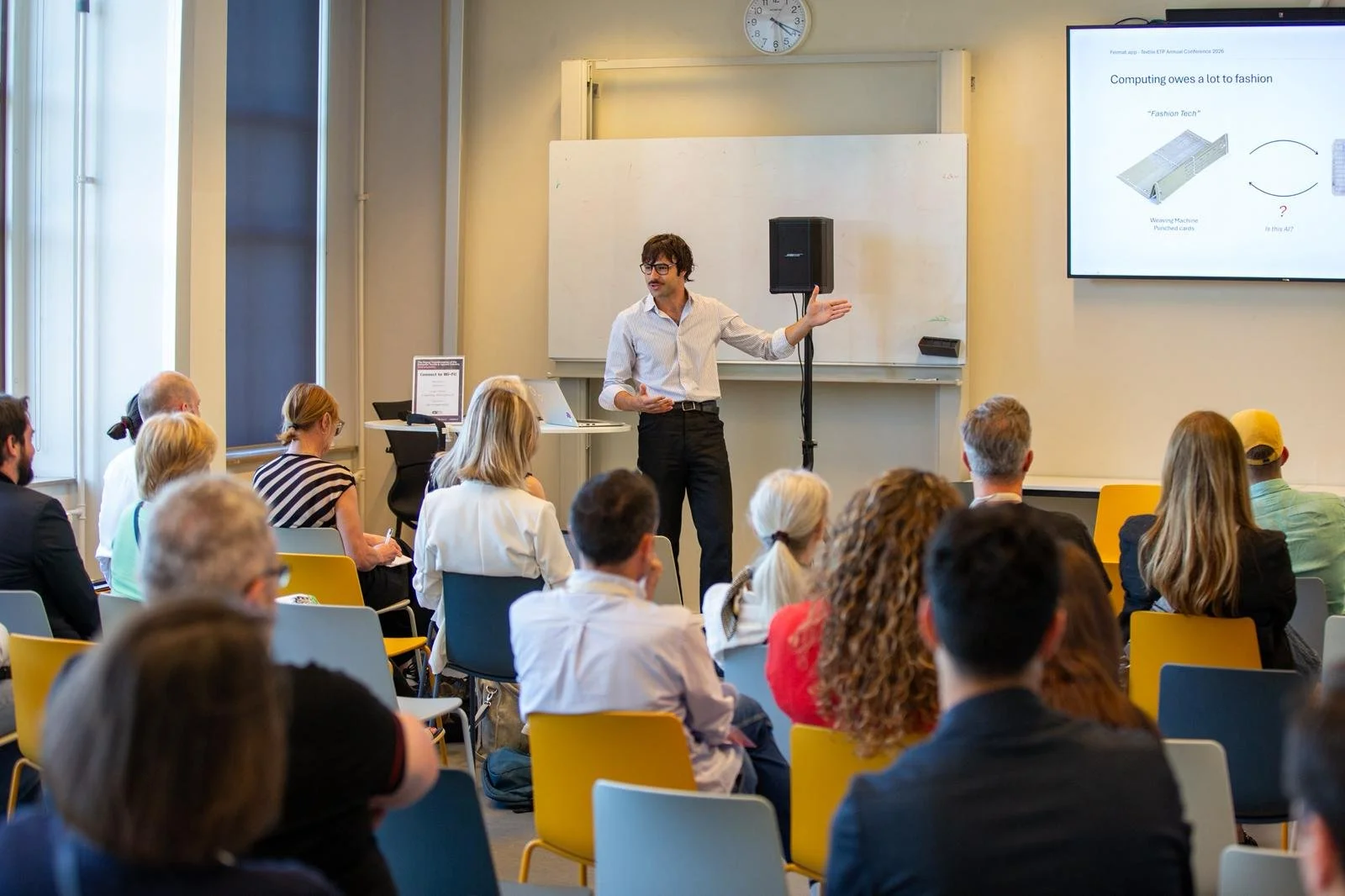
AI in digital product creation was moderated by Susanne de Letter (Modint) and brought together Tirza Brems (New Industrial Order), Daria Casciani (Politecnico di Milano), and Pol Baladas Luna (Fermat). Spanning on-demand design, critical AI practices, and generative creative tools, the session argued that the most powerful digital tools are those that expand human creativity rather than simply automating existing processes.
In parallel, Towards on-demand production, highlighted on-demand production, and especially the 2 EU-funded projects of the call from the Textiles of the Future partnership, ALADIN and INTERWeuVEN. Led by Tilla Kross (Textile ETP), Thomas Fischer (DITF), Holly McQuillan (Delft University of Technology), Andrea Debije-Meessen (Canon Production Printing), and Alexandra Glogowsky (Hochschule Niederrhein) discussed the fact that localised, demand-driven manufacturing is no longer theoretical but an emerging industrial reality.
The digital fashion business: running on data, not running after data, was moderated by Lutz Walter (Textile ETP) and brought together Andreas Schneider (Global Textile Scheme), Ana Kristiansson (Desinder/Portia), and Jelle Stienstra (Style + Code). Covering supply-side data gaps, DPP-informed design, and style intelligence platforms, the session examined how data is becoming the backbone of competitive fashion businesses and why getting ahead of it matters more than chasing compliance.
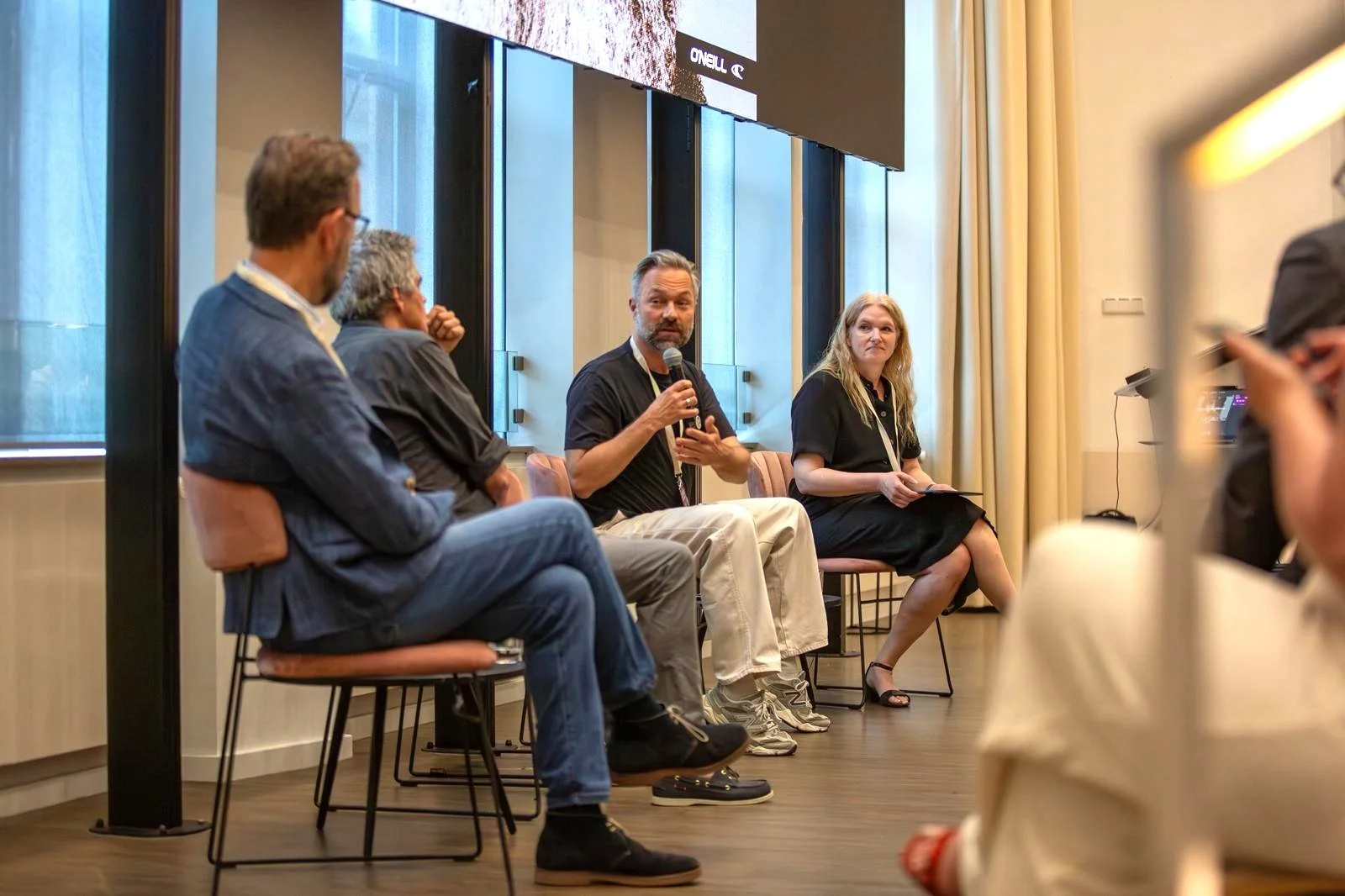
The day concluded with a panel discussion on data management in a traceable supply chain, moderated by Miriam Geelhoed (Modint) and bringing together Eugenio Alessandro Canepa (Piacenza/i-Deal), Jan Merckx (GS1 Netherlands), and Joffrey Delfgaauw (O'Neill Europe). Spanning fabric manufacturing, standards bodies, and brand operations, the panel addressed the real effort behind supply chain data collection, the practical value of the DPP beyond compliance, and what structural changes are needed for data to drive meaningful outcomes across the industry.
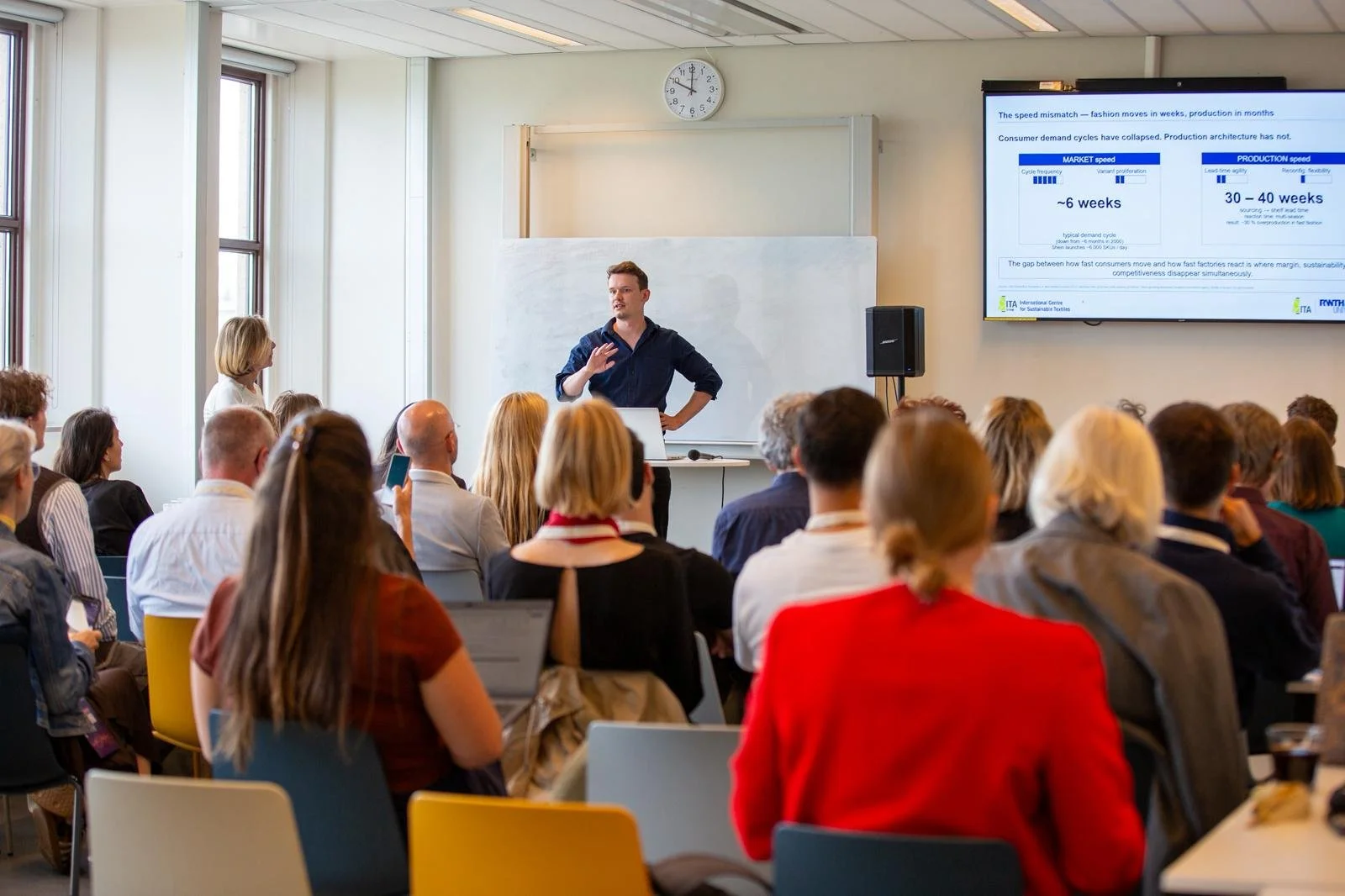
AI disruption, circular data, and the future of manufacturing: Day 2
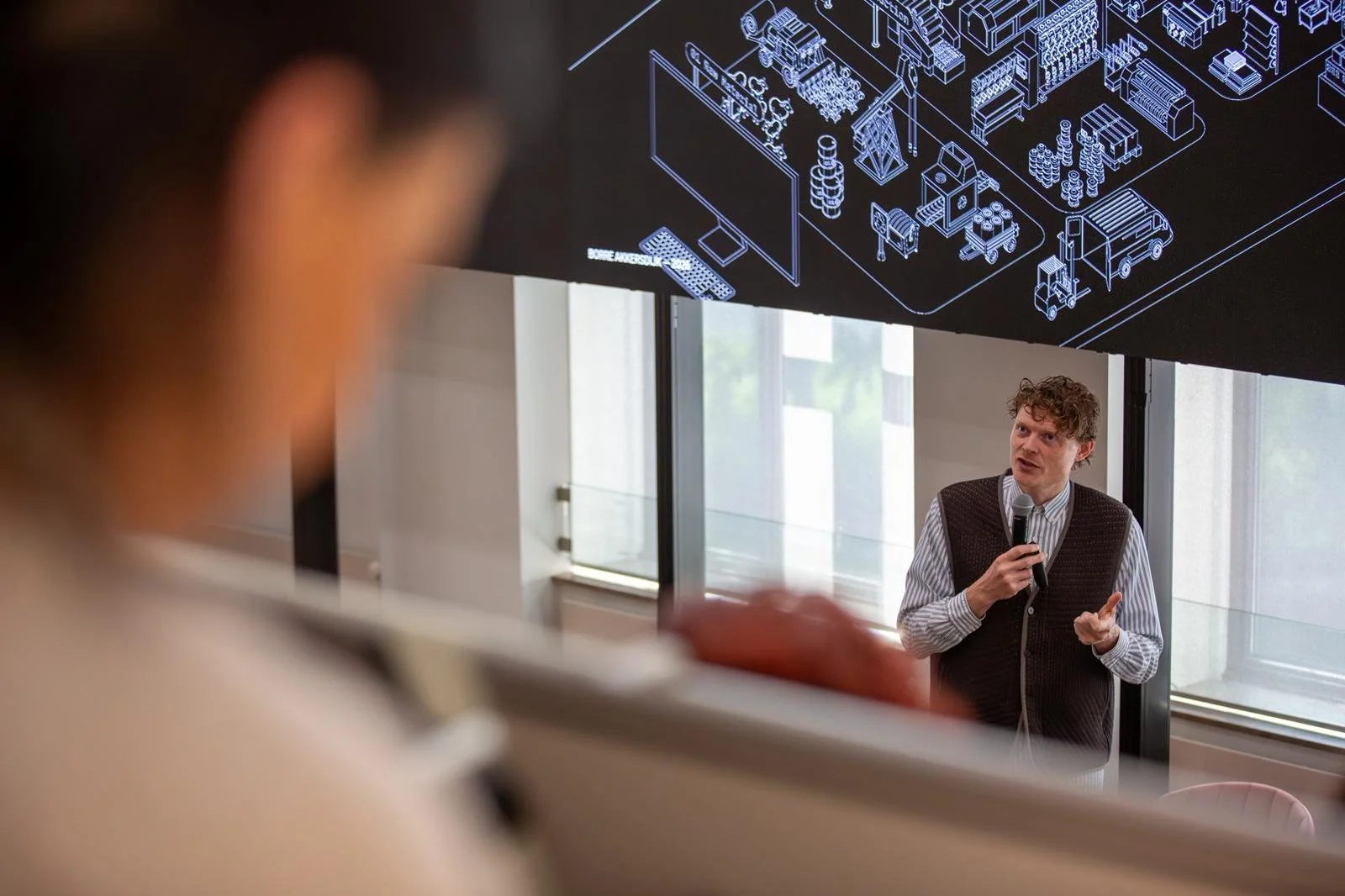
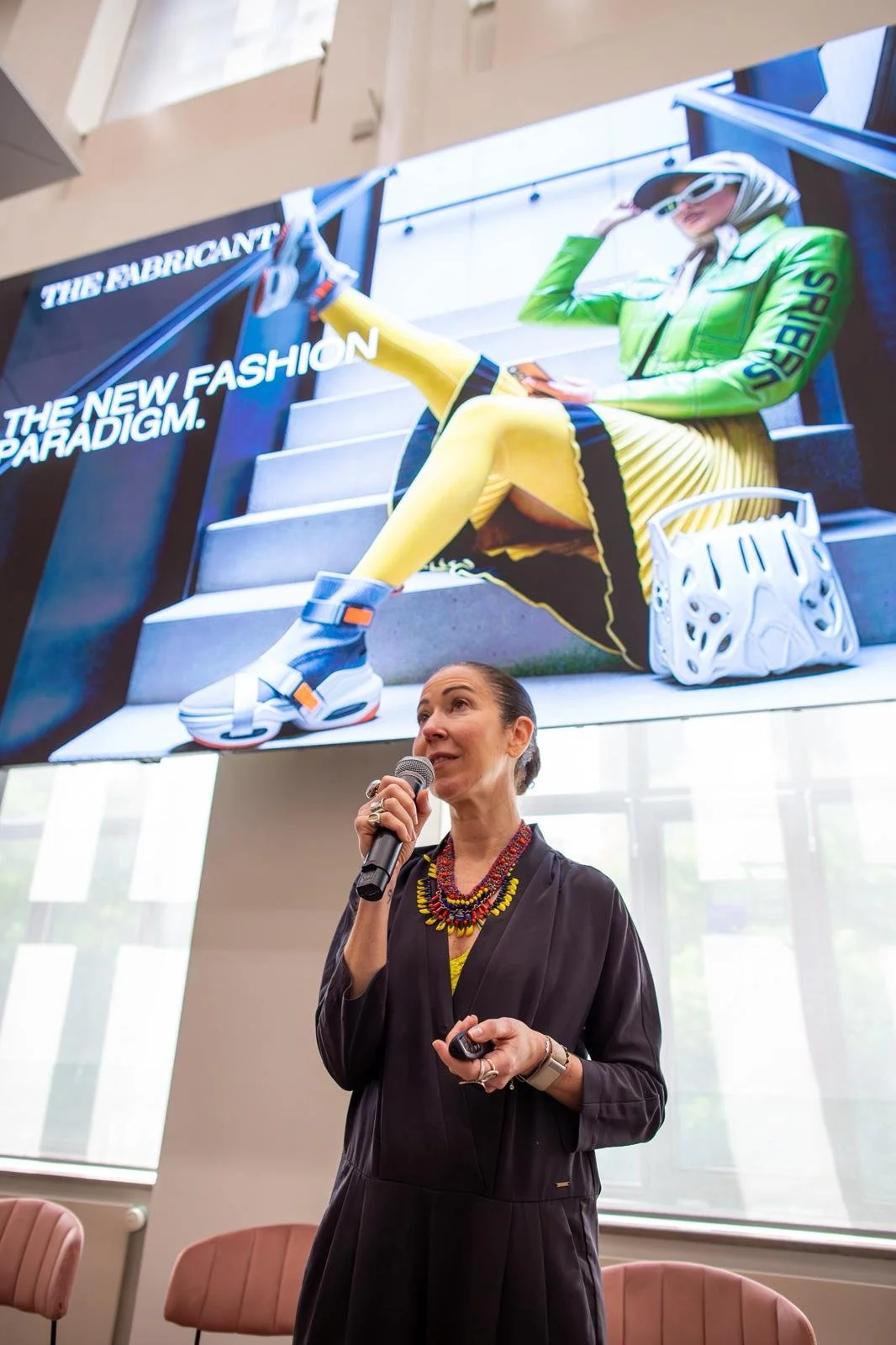
Day two opened with two keynotes under the theme of AI disruption, moderated by Charlotte Denis (Textile ETP) and featuring Borre Akkersdijk (BYBORRE/Patience) and Adriana Pereira (The Fabricant). Challenging the audience from two distinct angles, deliberate, materials-grounded creativity on one side, and digital-only fashion as a scalable model on the other. Both speakers converged on the same provocation: that the most disruptive responses to the industry's challenges may look nothing like business as usual. Their starting points differ, but the question they share is the same: whether AI is reconfiguring how today's businesses operate, or bringing entirely new players into the game.
The morning continued with three parallel sessions:
Data management for circularity, a SAGE project session moderated by Traci Kinden (Texroad), brought together Giulia Di Mari (Erion), Adam Hamidat (Avery Dennison/atma.io), and Henk-Jan Timmerman (GS1 in Europe). Covering EPR systems, connected product clouds, and cross-border data infrastructure, the session examined how robust data management is becoming the backbone of textile circularity, and what it takes to make that data flow reliably across the value chain.
Digital microfactories, moderated by Claire Tuerlings (Textielregie), brought together Simon Johnson (MannyAI), Eva de Laat (Studio Eva de Laat/Materialliance), and Cedric Heyen (ITA RWTH Aachen), arguing that next-generation localised manufacturing requires not just technology but coordinated industrial infrastructure.
Digital skills for competitive textiles, a NETFAS-organised session moderated by Karen Bosch (Saxion), brought together Anne Schwarz-Pfeiffer (Hochschule Niederrhein), Alexandra De Raeve (HOGENT/FTILab+), and Troy Nachtigall (AUAS). The session made clear that human capital is as critical an enabler of digital transformation as any technology — and that without the right education systems, even the best tools will struggle to find the people who can use them.
The afternoon opened with a plenary on the European response to direct-to-consumer e-commerce, moderated by Nanette Hogervorst (Modint), featuring Dominic Sluiter (EnhanceThat Fashion), Ahmed Zaidi (Hyran Technologies), and Vincent van der Holst (VNYX/BOAS). Spanning demand validation, AI-driven sourcing, and scalable resale platforms, the session mapped a practical European competitive response to the rise of ultra-fast DTC platforms, centred on agility, waste reduction, and new business models.
Three parallel breakout sessions followed:
Robotic apparel, moderated by João Oliveira (CITEVE), brought together Nelson Rodrigues (CITEVE), Michael Mayr (Silana), and Alex Sleat (Robotics Living Lab, Manchester Fashion Institute), exploring the frontier of automated garment manufacturing while keeping an honest eye on whether greater efficiency will reduce or compound fashion's waste problem.
Digital solutions for SMEs and independent creators, moderated by Matteo Mainiero (Textile ETP), brought together Dena Arabsolgar (Syxis), Jaap Rijnsdorp (Schijvens Corporate Fashion), and Jolanda Kooi (tex.tracer), examining what digital tools can realistically offer smaller players and where the limits of company-level data collection begin.
Data-driven solutions for circularity and sustainability, moderated by Tilla Kross (Textile ETP), brought together Mark Leenheer (SORTED/Sympany), Kim Poldner (University of Groningen), Christian Schimper (JRC ReSTex), and Anton Luiken (bAwear), demonstrating how data infrastructure (from automated sorting to AI-supported fibre separation and streamlined LCA tools) is quietly becoming the foundation on which viable circular textile systems will be built. The session's central argument: the data is already there; the industry just needs to use it.
The day closed with a closing plenary discussion bringing together Mario Jorge Machado (EURATEX, the European Apparel and Textile Confederation), Troy Nachtigall (Amsterdam University of Applied Sciences), Wilma van Hunnik (Dutch Ministry of Economic Affairs and Climate Policy), and Lutz Walter (Textile ETP), reflecting on how industry, research, and policy are working together towards digital and sustainable textile innovations.
Textile ETP on Tour in Enschede, 28 May
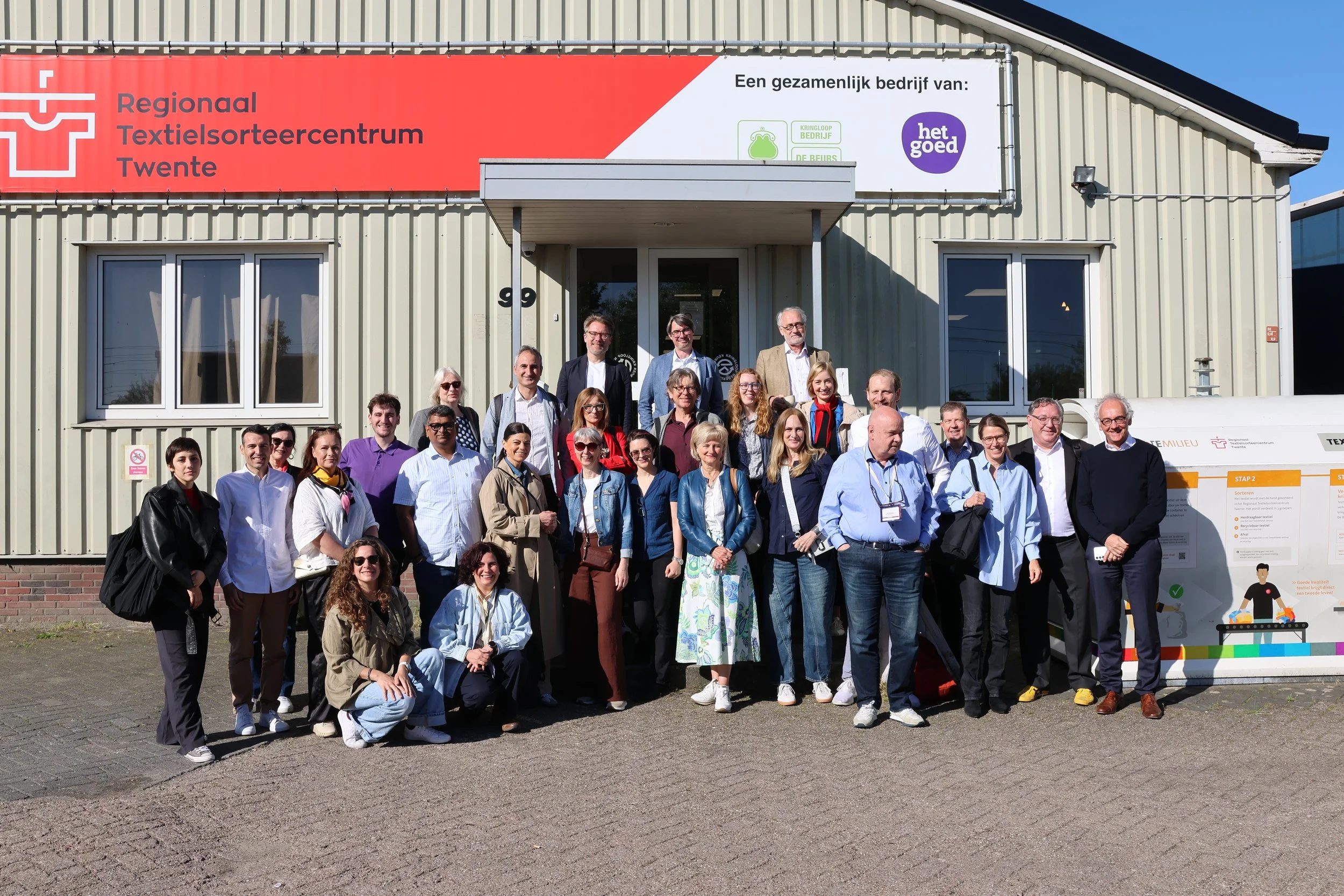
On 28 May, Textile ETP members joined the 5th Textile ETP on Tour in Enschede in the East Netherlands, for a dedicated tour day in their regional textile ecosystem.
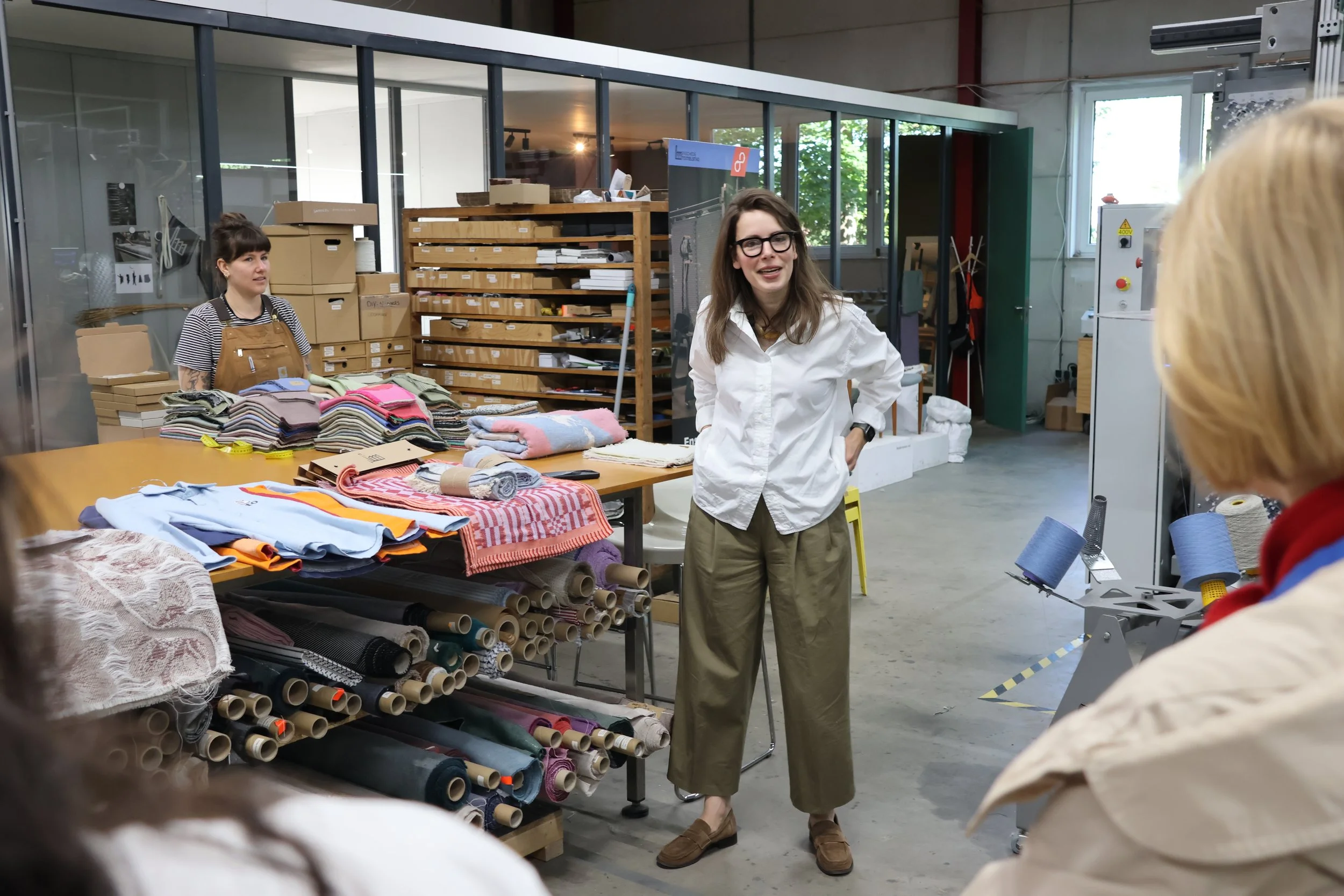
The first stop was the Regionaal Textielsorteercentrum Twente (RTT), a unique facility where a sorting centre and a weaving mill cohabit. Through Stichting TexPlus, a collaboration between Saxion University of Applied Sciences, Frankenhuis Textielrecycling, SaXcell, RTT, and Enschede Textielstad, partners are sorting around 3 million kilograms of textiles per year, with the ambition to scale up textile-to-textile recycling and keep materials in the region.
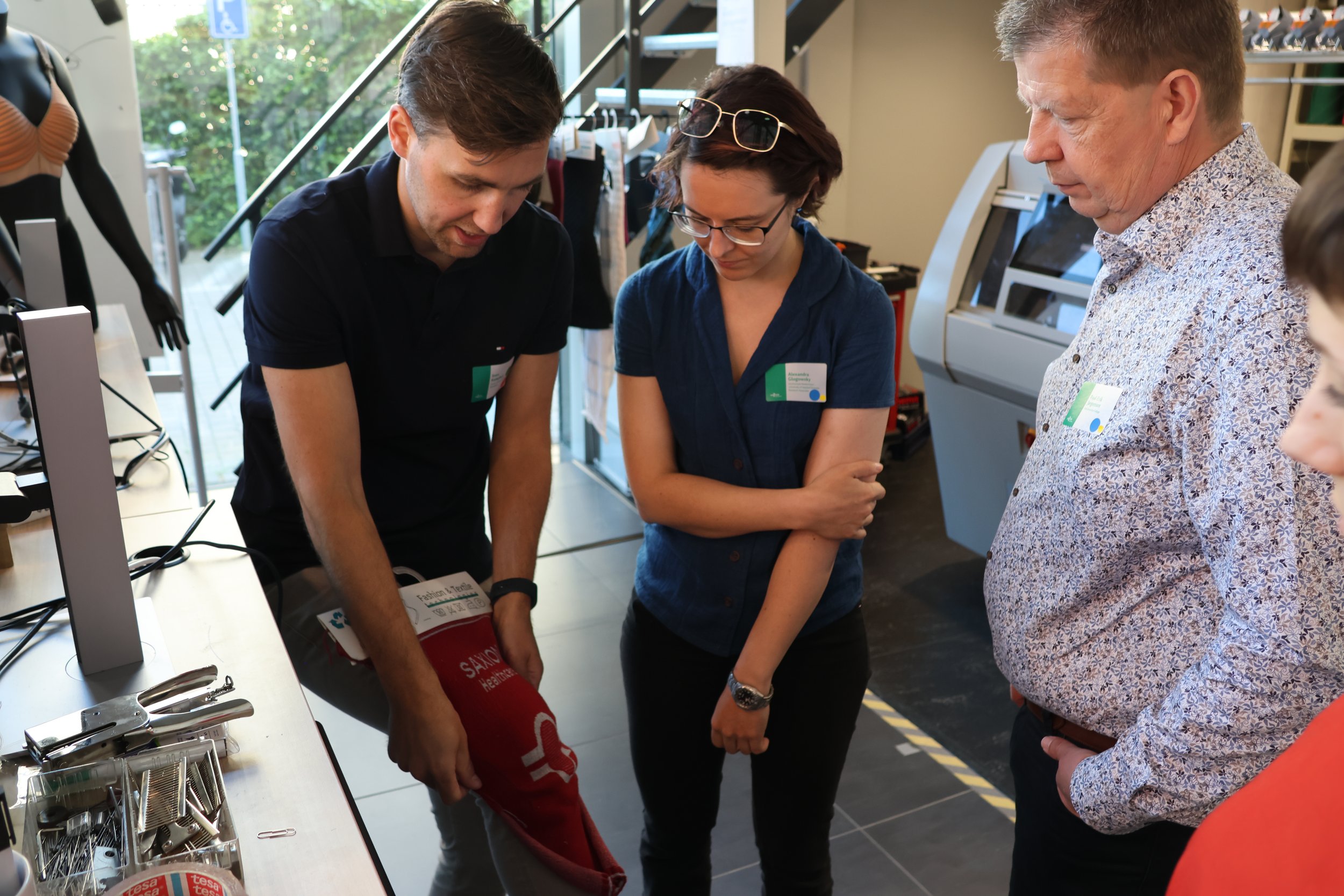
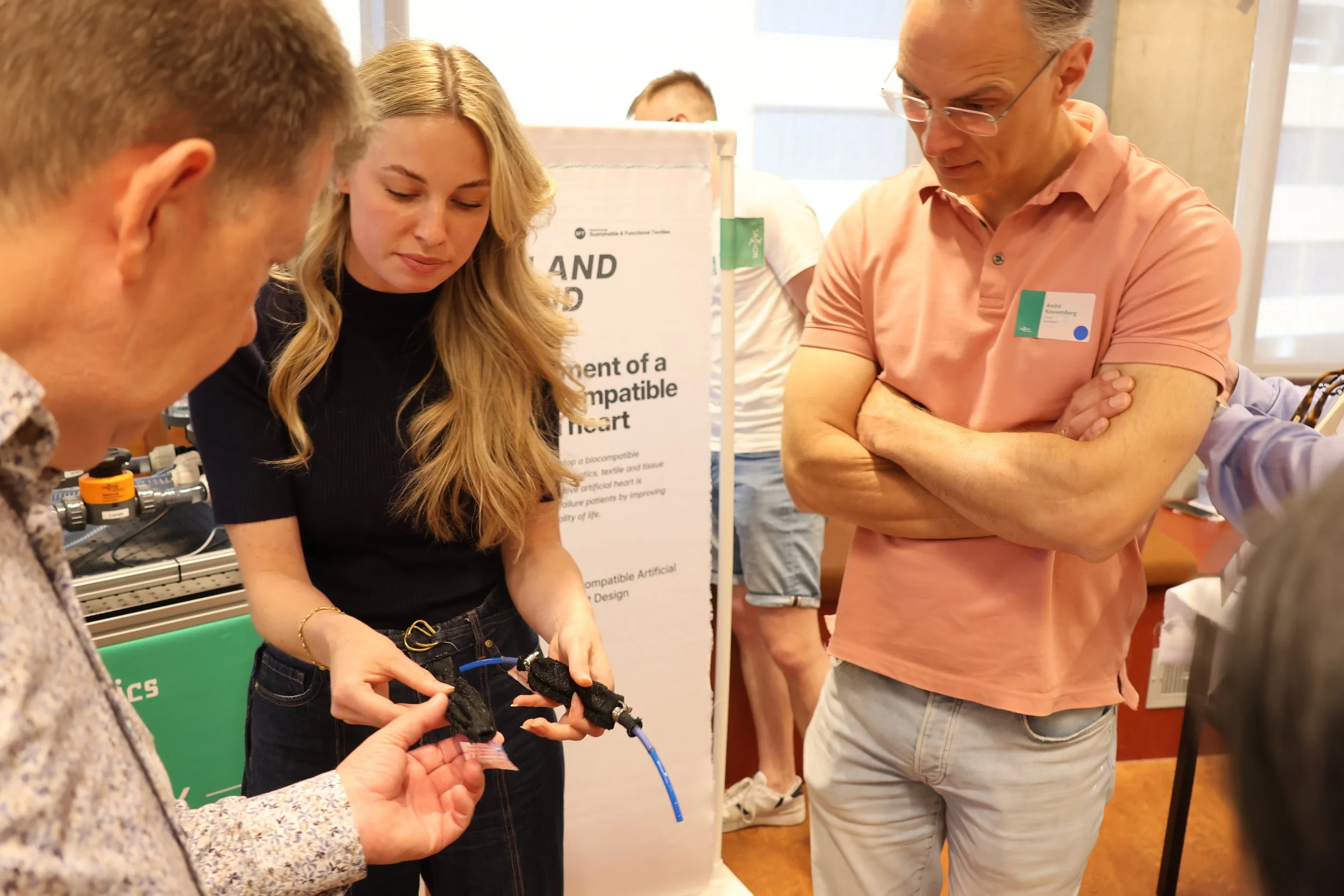
The afternoon was dedicated to a visit of Saxion University of Applied Sciences, offering a unique chance to visit their textile labs, discover their smart textiles projects, engage with the regional innovation ecosystem and explore applied research in practice.
The 2026 Textile ETP Annual Conference in Amsterdam made clear that digital technologies alone will not transform the textile industry, it will be the decisions and collective actions of researchers, innovators, businesses, and policymakers that shape a competitive and sustainable future.
With 20 editions behind us, we thank every speaker and participant who brought their energy and expertise. A very special thank you to Amsterdam University of Applied Sciences and Modint for making it all possible.
Photos of the Textile ETP Annual Conference 2026 are available here.
